
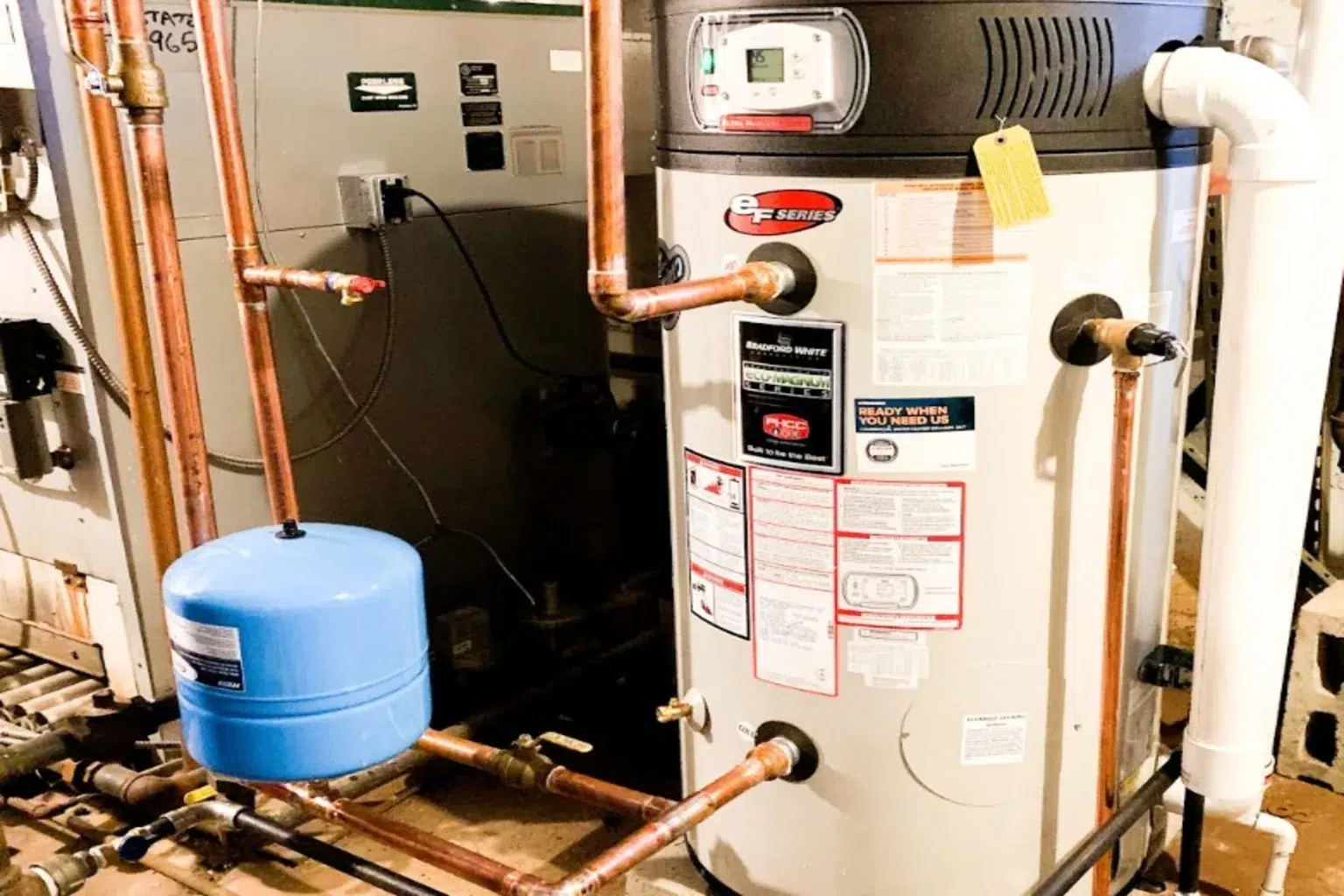
If you have ever been settled in for the night in your Green Mountain or Belmar neighborhood home and suddenly heard a strange bang, gurgle, or whistle coming from your basement, you already know how unsettling boiler noises can be. Your boiler quietly works in the background all winter long, keeping your home warm through Lakewood’s cold Front Range weather. But when it starts speaking up, that is your heating system trying to tell you something is wrong.
The good news is that not every boiler noise signals an emergency. The not-so-good news is that ignoring them almost always makes things worse, and more expensive. This guide breaks down the most common boiler sounds heard in Lakewood homes, what each one likely means, and what steps you should take before calling in a professional for boiler repair in Lakewood.
1. Banging or Clunking: The Sound You Should Never Ignore
A loud banging or clunking sound coming from your boiler is one of the most alarming noises a Lakewood homeowner can experience, and for good reason. This sound is often caused by a phenomenon known as kettling, where limescale and mineral deposits build up on the heat exchanger. Lakewood’s water, like much of the Denver metro supply, carries a notable level of hardness, which means mineral buildup is a very real and common problem for local boilers.
When scale accumulates on the heat exchanger, water gets trapped and overheats before it can circulate, causing it to steam and expand rapidly. The result is that distinctive banging sound. Left unaddressed, kettling can crack the heat exchanger, turning a routine boiler repair in Lakewood into a full boiler replacement.
What to do: Turn your boiler down slightly and call a licensed heating technician right away. Do not attempt to open the unit or adjust pressure valves yourself.
2. Gurgling: Often a Quick Fix, But Worth Investigating
A gurgling noise from your boiler typically points to one of three issues: trapped air in the system, low water pressure, or a frozen condensate pipe. During the deep cold snaps that roll through Lakewood’s Applewood area and along the Green Mountain foothills, condensate pipes that run through unheated spaces can freeze solid. When that happens, the condensate backs up and creates a bubbling or gurgling sound.
Trapped air in the radiators or pipework is another frequent cause and is usually resolved by bleeding the radiators. This is one of the few boiler-related tasks a homeowner can safely do on their own, using a radiator bleed key.
What to do: Check your boiler pressure gauge first. If pressure is normal, try bleeding your radiators. If the gurgling continues or you suspect a frozen condensate pipe, contact a 24 hour plumber to prevent a full system lockout.
3. Whistling or Kettling: Your Boiler Is Under Stress
A high-pitched whistling sound, sometimes described as a tea-kettle effect, is a strong sign of restricted water flow through the system. This can result from a partially closed valve, a failing pump, or the same limescale buildup that causes banging. Whistling is your boiler signaling that it is working far harder than it should be to circulate hot water through your home’s hydronic heating system.
For older homes in the Lakewood area, particularly those built in the Westgate or Eiber neighborhoods during the 1960s and 1970s, original pipework and valves may simply have reached the end of their service life and are contributing to the restriction.
What to do: Check that all radiator valves and lockshield valves throughout your home are fully open. If the whistling persists, book a boiler service inspection. A technician can flush the system, treat it with an inhibitor, and restore proper circulation.
4. Rumbling: A Warning Sign of Combustion Problems
A low, steady rumbling is different from the other noises on this list and should be treated with more urgency. Rumbling from the burner area of your boiler can indicate delayed ignition, which means gas is building up before it ignites. This creates a small but potentially dangerous combustion event inside the unit every time it fires. It can also point to a dirty or failing burner that is not combusting fuel cleanly.
Given that Lakewood homes are served by natural gas lines, any issue tied to combustion or gas flow is one where you want a certified professional involved immediately. A rumbling boiler that is connected to a gas line is not a wait-and-see situation.
What to do: Turn the boiler off and call a 24 hour plumber or heating specialist. If you smell gas at any point, leave your home immediately and contact your gas utility provider and emergency services.
5. Ticking or Clicking: Usually Normal, Sometimes Not
A light ticking or clicking sound when your boiler fires up or winds down is generally just the metal pipework expanding and contracting as it heats and cools. This is completely normal and is not a sign of any malfunction. Many Lakewood homeowners, especially those new to hot-water heating systems after switching from forced-air furnaces, call in worried about this sound only to discover it is routine thermal expansion.
However, if the clicking is constant, occurs while the boiler is at operating temperature, or comes from the igniter area without the burner lighting, that is worth having a technician look at. A failed igniter or faulty electrode is a relatively inexpensive boiler repair in Lakewood when caught early.
What to do: If the ticking only happens during startup and shutdown and your boiler fires reliably, relax. If it happens continuously or the burner is struggling to ignite, schedule a diagnostic visit.

How Colorado’s Altitude and Hard Water Make Boiler Noise More Common
Lakewood sits at roughly 5,700 feet above sea level. At this altitude, water boils at a lower temperature, which affects how your boiler’s heat exchanger operates and how pressure behaves within the system. Combined with the area’s hard water supply, which comes largely from Denver Water, Lakewood boilers tend to accumulate limescale faster than boilers in lower-elevation or softer-water regions.
Annual boiler servicing is especially important in Lakewood for this reason. A seasonal power flush and inhibitor treatment can dramatically reduce the buildup that causes kettling, whistling, and banging, and extend the working life of your boiler by several years.
Boiler Noise Quick Reference for Lakewood Homeowners
- Banging / Clunking: Limescale, kettling, or heat exchanger stress. Call a technician promptly.
- Gurgling: Trapped air, low pressure, or frozen condensate pipe. Bleed radiators or call for help.
- Whistling: Restricted flow, scaling, or failing pump. Schedule a service inspection.
- Rumbling: Combustion or ignition issue. Turn off the boiler and call a 24 hour plumber.
- Ticking / Clicking: Usually normal expansion. Persistent clicking near igniter needs a diagnostic check.
Is Your Lakewood Boiler Making Noise? A Clear Choice Plumbing and Heating Is Ready to Help
Boiler noise does not always mean disaster, but it always means something. Catching the problem early is almost always cheaper and less disruptive than waiting for a complete breakdown in the middle of a Lakewood winter. Whether you are in the Belmar area, up near Green Mountain, or anywhere in between, our team at A Clear Choice Plumbing and Heating has the local experience and technical expertise to diagnose and fix boiler issues fast.
A Clear Choice Plumbing and Heating offers 24 hour plumber service across Lakewood and the greater Denver metro, with transparent pricing and no hidden fees. Whether you need a quick boiler repair in Lakewood or a full system inspection before the next cold front rolls in, the team is one call away.
Call us today at (720) 938-1554 or schedule your boiler service online. Do not let a strange sound turn into a heating emergency.


