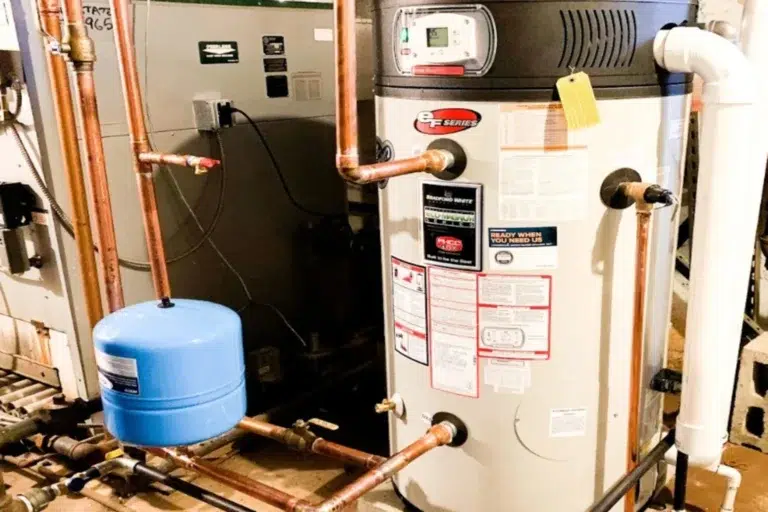
It started on a freezing Denver morning after a night of heavy temperature drop. The home felt normal until the shower was turned on. Instead of warm water, icy cold water rushed out. Moments later, a faint rumbling sound echoed from the basement. When checked, there was already a small pool of water forming around the tank. Within hours, that minor issue escalated into water damage, emergency service calls, and thousands in repair costs.
Situations like this are more common across Denver than most homeowners realize especially during winter months when systems are under stress.
And here’s what most Denver homeowners don’t realize by the time your water heater shows obvious signs, the damage may already be costing you thousands behind the scenes.
Why Water Heater Problems Escalate Faster in Denver Homes
When it comes to water heater repair in Denver, local conditions play a huge role in how quickly small issues turn serious.
Denver-Specific Risk Factors:
- Hard Water in the Front Range → Leads to rapid sediment buildup inside tanks
- Freezing Winters → Increased demand strains heating components
- Altitude Impact → Affects pressure systems and efficiency
- Older Neighborhood Infrastructure → Common in areas like Capitol Hill, Lakewood, and Aurora
These factors mean your system is constantly under pressure making early repair critical.
The Most Ignored Warning Signs (That Lead to Major Damage)
Many homeowners delay calling a Plumber in Denver because the system “still works.” That’s where problems begin.
1. Fluctuating Water Temperature
If your hot water suddenly turns cold, sediment buildup or failing heating elements may already be reducing efficiency.
2. Rumbling or Popping Noises
This is caused by hardened mineral deposits overheating at the bottom of the tank a common issue in Denver homes.
3. Rusty or Discolored Water
This signals internal corrosion, which can eventually lead to tank failure.
4. Water Around the Tank
Even a small leak is often a sign of internal structural damage not just a loose connection.
5. Reduced Hot Water Supply
If your system can’t keep up, it’s likely working inefficiently and nearing failure.
How a $150 Fix Turns Into a $5,000+ Problem
One of the biggest mistakes homeowners make is assuming small issues can wait.
Here’s how costs escalate:
- Stage 1: Minor Sediment Build-Up
- Simple flush could resolve the issue
- Stage 2: Heating Inefficiency
- Increased energy bills and component strain
- Stage 3: Internal Damage
- Tank stress leads to cracks or leaks
- Stage 4: System Failure + Water Damage
- Flooring, drywall, and belongings affected
- Stage 5: Full Replacement + Restoration
- Emergency replacement + cleanup costs
What starts as a routine water heater repair in Denver can quickly spiral into a major financial burden.
A Preventable Winter Breakdown in Denver
During peak winter, a homeowner in a central Denver neighborhood noticed slight popping sounds from their water heater for several months. Hot water was still available, so the issue was ignored.
When temperatures dropped suddenly, the system worked harder than usual. Sediment buildup had already hardened at the bottom of the tank, causing overheating. Within days, internal pressure caused a crack in the tank.
The Outcome:
- Basement flooding due to tank rupture
- Damage to flooring and stored belongings
- Mold risk due to moisture exposure
- Emergency replacement during peak season
What Could Have Prevented It:
- Annual tank flushing
- Early inspection when noises started
- Timely service from a Plumber in Denver
This is a classic example of how delayed maintenance leads to avoidable, high-cost damage.
How to Identify Water Heater Problems Early (Step-by-Step)
If you want to avoid emergency repairs, here’s a simple process you can follow:
Step 1: Listen Carefully
Unusual sounds like rumbling or banging are early warning signs.
Step 2: Check Water Quality
Look for discoloration or metallic smell in hot water.
Step 3: Monitor Performance
Notice if hot water runs out faster than usual.
Step 4: Inspect the Base
Check for moisture or pooling water around the tank.
Step 5: Track Energy Bills
A sudden spike may indicate system inefficiency.
If you notice even one of these signs, it’s time to consider water heater repair in Denver before the problem worsens.
How Professional Repair Prevents Major Failures
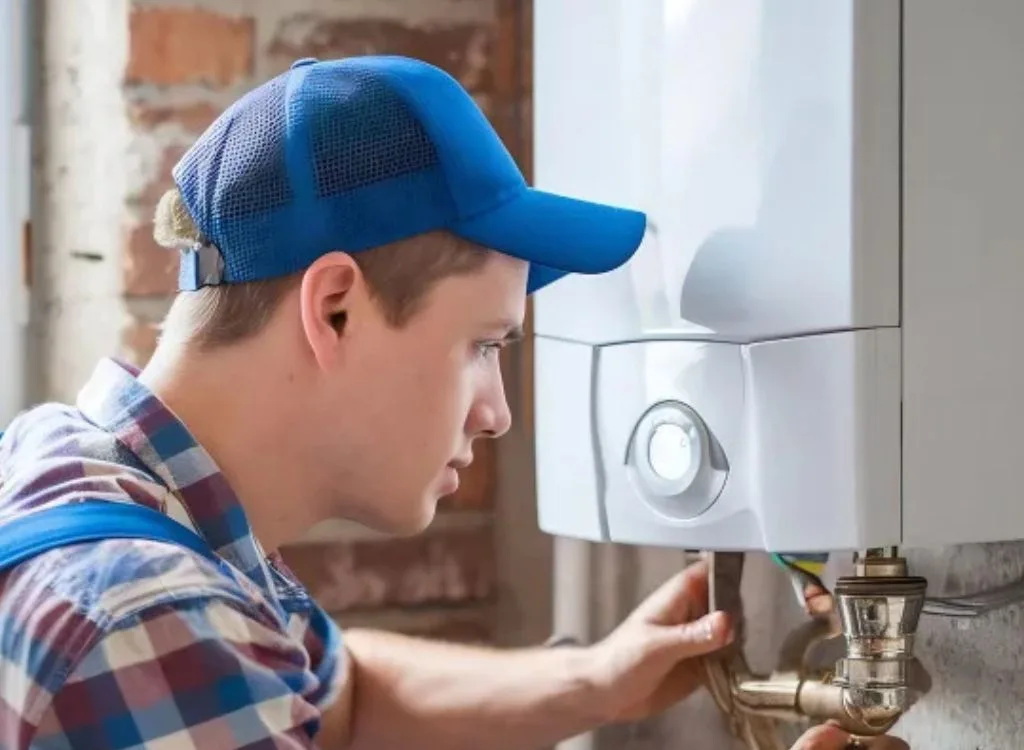
A qualified Plumber in Denver doesn’t just fix visible issues they prevent future damage.
Professional Repair Process:
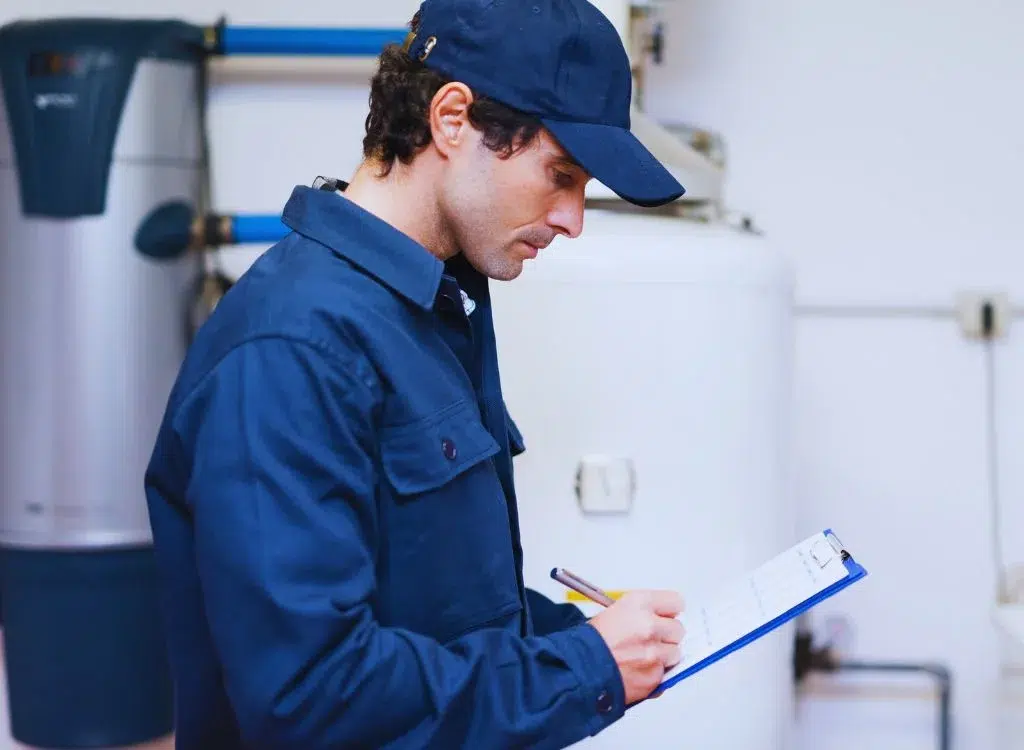
- Full System Inspection
Evaluating tank condition, valves, and heating elements - Sediment Removal
Flushing mineral buildup common in Denver water - Component Repair
Replacing worn-out thermostats or heating parts - Leak Detection
Identifying hidden issues before they spread - System Testing
Ensuring consistent and safe operation
Companies like A Clear Choice Plumbing & Heating apply a process-driven approach tailored to Denver’s climate and water conditions helping homeowners avoid recurring issues.
Why Preventative Maintenance Matters More in Denver
1. Winter Demand Peaks
Your system works hardest when temperatures drop making failure more likely.
2. Hard Water Damage Builds Quickly
Sediment accumulation is faster compared to many other regions.
3. Older Homes Require Extra Care
Many Denver homes have aging plumbing systems that need proactive maintenance.
Who Should Be Most Concerned?
This issue impacts different groups in unique ways:
- Families → High usage increases wear and tear
- Property Owners → Unexpected breakdowns affect tenants and costs
- Homebuyers → Older systems may already have hidden damage
- Long-Term Residents → Aging units are at higher risk of failure
FAQs: Water Heater Repair in Denver
1. Why do water heaters fail faster in Denver?
Due to hard water, cold winters, and increased system demand, water heaters in Denver experience more stress and faster sediment buildup.
2. How can I tell if my water heater needs repair?
Signs include inconsistent temperature, unusual noises, discolored water, leaks, and reduced hot water supply.
3. How does delaying repair increase overall cost?
Minor issues can escalate into system failure, causing water damage, higher energy bills, and full replacement costs often several times higher than early repairs.
4. How often should Denver homeowners maintain their water heater?
At least once a year, ideally before winter, to ensure efficiency and prevent breakdowns.
5. What affects the cost of water heater repair in Denver?
Factors include the severity of the issue, age of the system, component damage, and whether there’s additional water damage involved.
Act Early or Pay the Price
Water heater problems don’t fix themselves they get worse over time. In a city like Denver, where climate and water conditions accelerate wear, waiting is the most expensive decision you can make.
If your system is showing even minor warning signs, the smartest move is immediate action. Early repair protects your home, your comfort, and your budget.
Don’t wait for a breakdown.
Call A Clear Choice Plumbing & Heating today at +1 7209381554 and schedule a professional inspection.
Because in Denver, a small water heater issue today can turn into thousands in damage tomorrow if you ignore it.