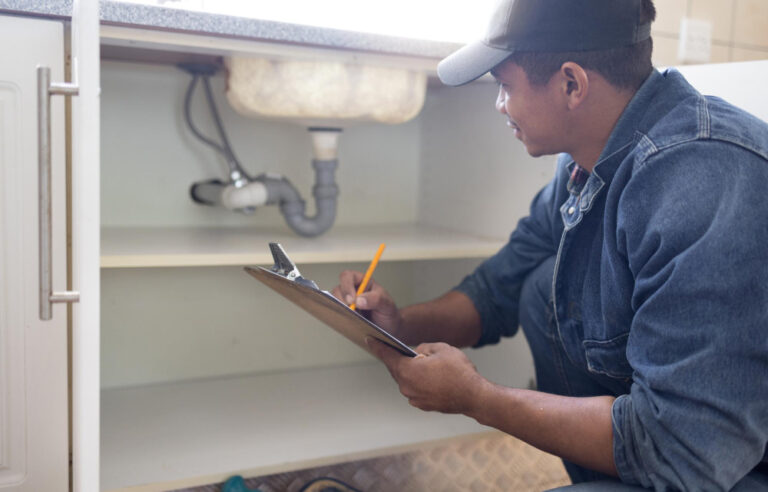
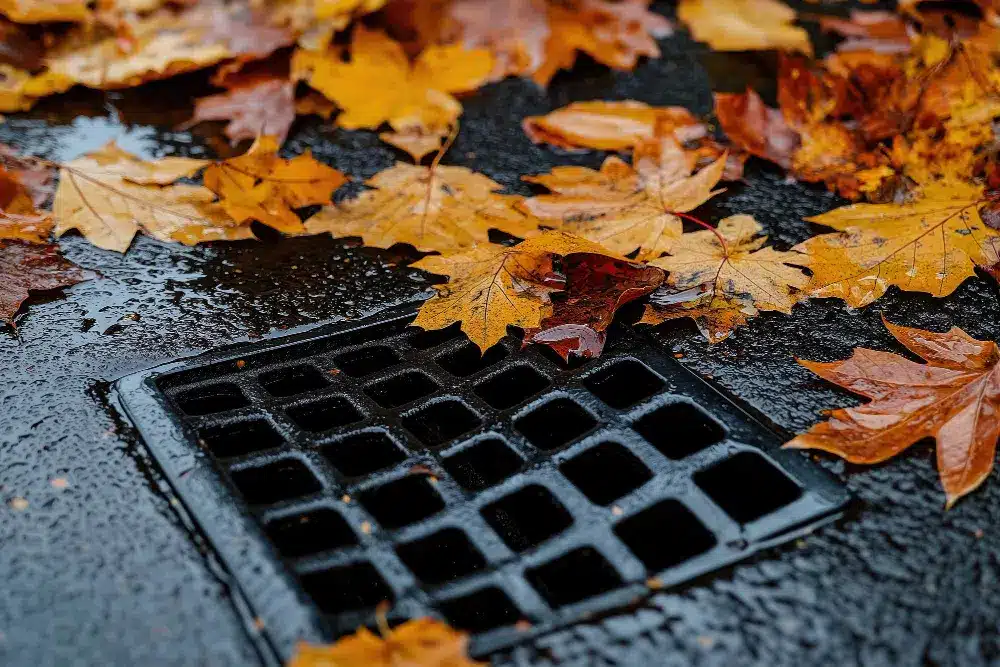
The charm of neighborhoods like Old Town Littleton and the tree-lined streets of Englewood is undeniable. Residents take immense pride in the towering Silver Maples and majestic Cottonwoods that provide shade during our hot Colorado summers and turn brilliant colors in the fall. However, beneath the surface of these picturesque landscapes, a silent battle is being waged. For many homeowners in the South Denver Metro area, those beautiful historic trees are the primary reason they find themselves searching for a professional drain cleaning service.
At A Clear Choice Plumbing and Heating, we have spent over a decade servicing the local community. We have seen firsthand how the local flora interacts with the aging infrastructure of our suburbs. To understand why your sewer line is under attack, you have to understand the unique biology of the Silver Maple and the specific way our local soil and plumbing history create the perfect storm for a backup.
The Thirsty Giants of the South Metro Area
Colorado is a high-desert climate. Water is our most precious resource, not just for people, but for plants. Large deciduous trees like the Silver Maple have massive water requirements. A mature tree can transpire hundreds of gallons of water a day. To meet this demand, their root systems are incredibly opportunistic.
Through a process called hydrotropism, tree roots can actually “sense” moisture gradients in the soil. Your sewer line, which carries warm, nutrient-rich water away from your home, acts as a beacon. Even the smallest hairline fracture in an old pipe releases enough moisture and vapor to attract the attention of a wandering root tip. Once a root finds a way into the pipe, it has found a permanent fertilizer source. It will grow rapidly, expanding into a thick, fibrous mass that catches grease, hair, and toilet paper, leading to a total system failure.
The Clay Pipe Problem in Englewood and Littleton
The reason this issue is so prevalent in our specific service area stretching from Englewood down through Littleton and into the older pockets of Denver is the material of the pipes themselves.
If your home was built between the 1920s and the late 1960s, there is a high probability that your main sewer lateral is constructed of Vitrified Clay Pipe (VCP). While clay is durable and resistant to chemical corrosion, it has one major weakness: the joints. These pipes were typically installed in short sections, with joints sealed by mortar or oakum. Over decades, the shifting Colorado expansive soils cause these joints to loosen.
Once a joint is compromised, it is an open door for the Silver Maple curse. Roots don’t just block the flow; they act like a wedge. As the root grows in diameter, it exerts immense pressure, eventually shattering the clay tile and requiring expensive excavation. This is why routine maintenance and professional drain cleaning service are not just suggestions for homeowners in these areas, they are necessities for home preservation.
Why Standard Snaking Isn’t Enough
Many homeowners attempt to solve a slow drain by renting a basic drain snake or calling a cut-rate “rooter” company. While this might provide temporary relief by punching a small hole through the root mass, it is essentially a “haircut” for the tree.
When you have a significant root intrusion in a neighborhood like Cherry Creek or downtown Littleton, you need a more aggressive approach. Mechanical snaking often leaves the “feeder roots” intact around the edges of the pipe. These roots respond to the pruning by growing back even thicker and faster than before.
To truly clear the line, we often recommend high-pressure hydro-jetting. This process uses specialized nozzles that blast water at nearly 4,000 PSI, scouring the internal walls of the pipe and shearing roots off flush with the entry point. This restores the pipe to its full diameter and provides a much longer window of protection before the roots can return.

The Risks to Your Home and Foundation
A clogged sewer line is more than just a nuisance; it is a health hazard and a threat to your property value. When the “Silver Maple Curse” takes hold, the backup usually happens at the lowest point of the home. In the Denver area, that means your basement.
Whether you have a finished basement in Centennial or a utility basement in an Englewood bungalow, a sewage backup can cause thousands of dollars in water damage. Furthermore, if a sewer line is leaking into the soil because of root damage, it can oversaturate the ground near your foundation. In our region, where bentonite clay soil is common, this extra moisture can cause the soil to expand and put lateral pressure on your foundation walls, leading to cracks and structural instability.
Identifying the Signs of Root Intrusion
How do you know if the trees in your yard are starting to encroach on your plumbing? Look for these localized warning signs:
- Frequent Clogs: If you find yourself needing a drain cleaning service more than once a year, you likely have a structural root issue.
- Gurgling Noises: If your toilets gurgle when the washing machine drains or when you take a shower, air is being trapped by a growing root mass.
- Slow Drains: If every sink in the house seems to be draining slower than usual, the problem is in the main line, not the individual fixtures.
- Patches of Lush Grass: If one area of your lawn is significantly greener or grows faster than the rest (especially near where the sewer line runs), you may have a leaking pipe attracting roots.
Preventive Measures for Colorado Homeowners
While you can’t always control where a tree grows, you can protect your home. For residents in Aurora and Littleton, we recommend a “Sewer Scope” inspection every two years. This involves running a waterproof camera through the line to see exactly what is happening inside. If we catch the roots while they are still small “hair” roots, a standard drain cleaning service is highly effective and prevents the pipe from breaking.
Frequently Asked Questions
How often should I have my drains cleaned if I have large trees?
In older neighborhoods like Englewood and Littleton, we recommend a professional inspection and cleaning every 12 to 18 months. If you have had previous root issues, an annual maintenance plan is the best way to avoid emergency backups.
Can I use chemical root killers from the hardware store?
Most foaming root killers contain copper sulfate or similar chemicals. While they can kill small roots on contact, they rarely reach the top of the pipe where the most aggressive growth occurs. They are also temporary fixes that do not remove the existing debris already clogging your line.
Will I have to dig up my yard to fix root damage?
Not necessarily. If the roots are cleared early and the pipe is still structurally sound, we can often maintain it through hydro-jetting. If there is a break, we offer modern solutions that are much less invasive than traditional trenching.
What is the best way to prevent roots from coming back?
The most effective method is regular hydro-jetting combined with a camera inspection. This ensures the pipe is completely clear and allows us to monitor any changes in the pipe’s integrity over time.

Expert Service in the South Denver Metro Area
Don’t let the beauty of your landscape turn into a plumbing nightmare. Whether you are dealing with a sudden backup in Aurora or want to perform preventive maintenance on your historic Littleton home, A Clear Choice Plumbing and Heating is here to help. Our team understands the specific challenges of Colorado’s soil, climate, and vegetation.
We provide honest advice, transparent pricing, and expert drain cleaning service designed to keep your home’s plumbing running smoothly year-round. We serve Englewood, Denver, Littleton, Aurora, and the surrounding communities with a commitment to excellence and customer satisfaction.
Contact A Clear Choice Plumbing and Heating today at (720)-938-1554 to schedule your sewer scope or drain cleaning service. Let us help you protect your home from the Silver Maple curse!