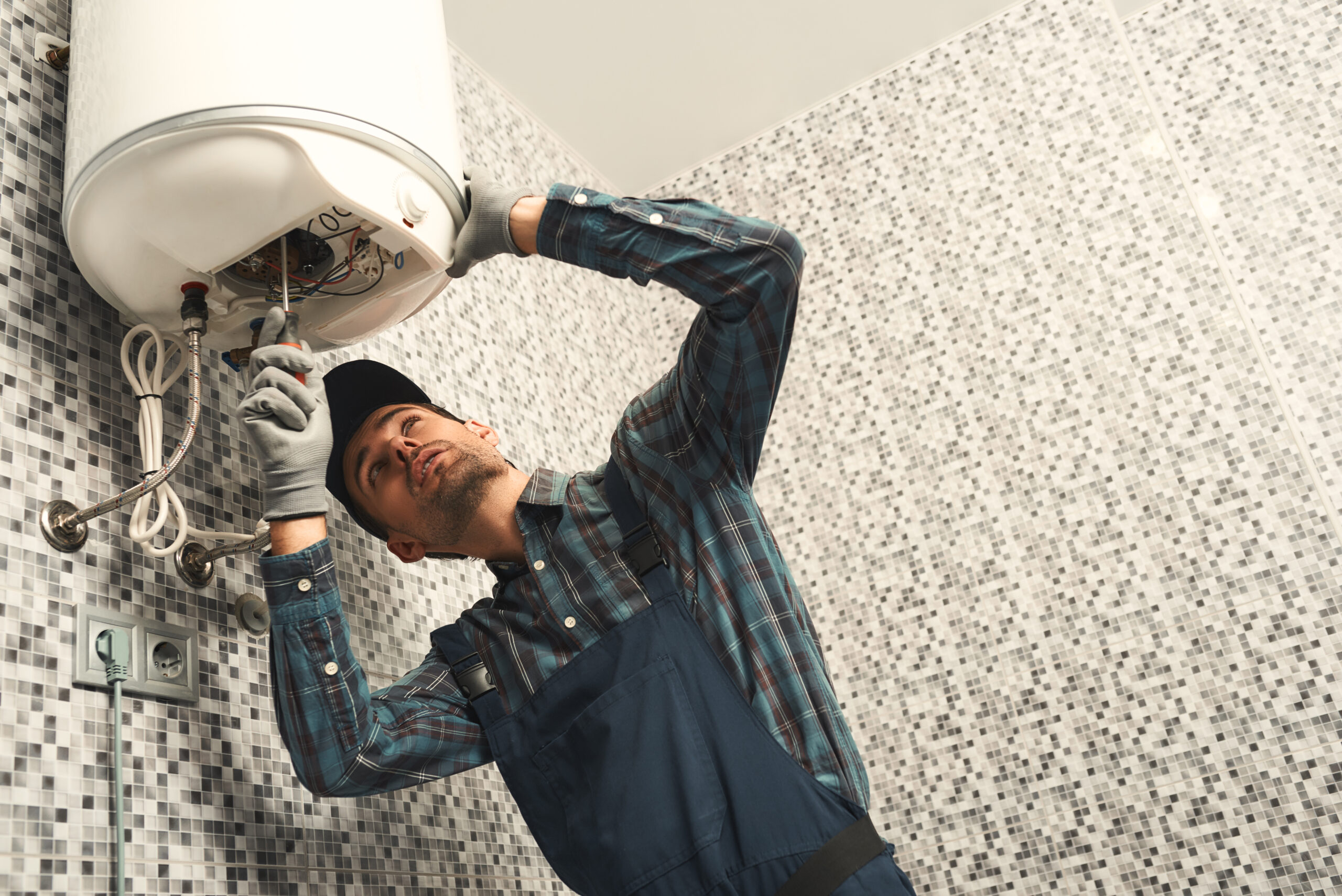
Many homeowners in Englewood deal with unexpected water heater issues without realizing that hard water is usually the quiet culprit behind the problem. Hard water gradually wears down the system, reduces its efficiency, and shortens its lifespan. Understanding how hard water affects your unit can save you from frequent breakdowns and expensive repairs. This guide explains the challenges caused by hard water in Englewood homes, what warning signs you should watch for, and practical steps you can take to protect your investment.
What Makes Water Hard in Englewood
Hard water contains high levels of minerals, mainly calcium and magnesium. These minerals enter the water supply as it flows through underground rock and soil. Englewood and nearby Colorado communities naturally experience harder water because of the region’s geology. While these minerals are safe for drinking, they create a long list of problems for plumbing systems and water heaters.
Hard water builds up faster in homes with older plumbing or in households that rely heavily on their water heater. This means that even new units can start showing signs of stress if they do not receive regular maintenance.
How Hard Water Damages Your Water Heater
Hard water affects both tank and tankless water heaters. Within a short time, minerals begin settling inside the system, forming layers of scale. This buildup forces the water heater to work harder and increases energy use. Below are the most common ways hard water causes damage.
Scale buildup on heating elements
When minerals settle inside the tank, they coat the heating element. Once this layer becomes thick, the element can no longer heat water efficiently. This leads to slow heating, inconsistent water temperature, or complete failure of the heating element.
Sediment accumulation at the bottom of the tank
Every tank style water heater collects sediment over time. Hard water accelerates this process. When a thick layer forms at the bottom, the heater must use more energy to warm the water sitting above it. This causes noisy operation, overheating, and damage to the tank lining.
Reduced water flow in tankless units
Tankless heaters are more sensitive to mineral buildup. Even a thin layer of scale inside the system can restrict water flow and trigger error codes. Many homeowners believe something is wrong with the unit, but the real issue is untreated hard water.
Pressure buildup
If scale develops around the temperature and pressure relief valve, the valve may not open properly. This creates unnecessary pressure inside the tank and can lead to dangerous conditions.
Shorter system lifespan
A water heater that struggles with mineral buildup wears out faster. Without proper maintenance, Englewood homeowners often find themselves replacing their unit several years earlier than expected.
Warning Signs of Hard Water Trouble
Recognizing the early signs of hard water damage can help you avoid serious problems. If you notice any of the symptoms below, it may be time to consider water heater repair near Englewood CO.
- Water takes longer to heat than usual
- Loud rumbling or popping noises coming from the tank
- Lower water pressure throughout the home
- White or chalky residue on fixtures and faucets
- Fluctuating water temperature
- Higher energy bills without an obvious reason
- Clothes feeling stiff after laundry
- Soap that does not lather easily
These issues may appear slowly, which makes them easy to ignore. However, homeowners who take early action usually pay far less in repairs and extend the life of their water heater.

Why Hard Water Problems Are More Common in Englewood
Englewood receives its water from surface and groundwater sources that naturally contain elevated mineral levels. Since many neighborhoods rely on water heaters daily for bathing, cooking, and cleaning, mineral deposits accumulate faster than expected. Also, the area’s colder months cause water heaters to work harder, which intensifies wear on internal components.
Because of these local conditions, water heater issues related to hard water are more frequent here compared to regions with softer water. This is one reason why many homeowners seek professional inspections every year.
Effective Ways to Prevent Hard Water Damage
Stopping hard water damage is not difficult when homeowners follow preventive steps. A combination of maintenance, filtration, and proper usage can keep systems running smoothly.
Install a water softener
A water softener is one of the most effective solutions for Englewood homes. It reduces the amount of calcium and magnesium in the water before it reaches your heater. Softer water results in fewer deposits, greater energy efficiency, and longer equipment lifespan.
Schedule annual water heater maintenance
Professional maintenance removes sediment, inspects components, and ensures the system operates safely. Regular flushing helps break down mineral deposits and prevents them from hardening. This simple step can significantly improve performance and reduce the need for frequent repairs.
Use a whole house filtration system
Filtration systems capture minerals and impurities before they enter your plumbing. They help improve water quality and reduce the workload on your heater.
Flush the tank regularly
Even with treated water, some mineral buildup is unavoidable. Homeowners can flush their tank every six to twelve months to remove sediment. This keeps energy use lower and reduces strain on heating elements.
Install a powered anode rod
Traditional anode rods wear out faster in hard water. A powered anode rod lasts longer and provides better protection against corrosion inside the tank.
Inspect pipes and valves
Mineral deposits can form in pipes, reducing water flow. Periodic inspection and cleaning help maintain consistent pressure and prevent clogs.
How Professional Water Heater Repair Helps Prevent Long Term Damage
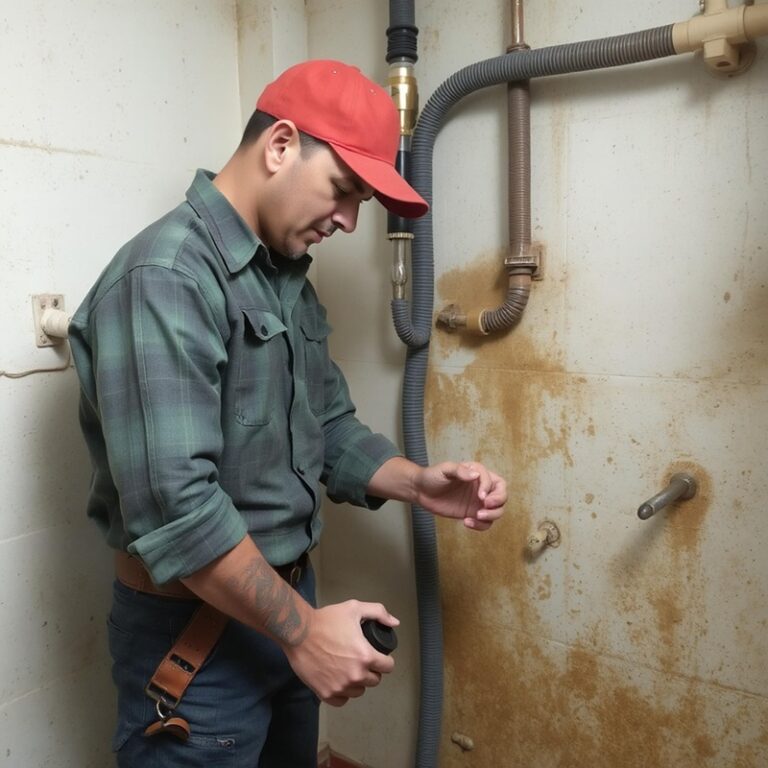
Hiring a local plumbing expert for water heater repair in Englewood CO ensures problems are diagnosed accurately. Professionals use specialized tools that detect issues homeowners cannot see. They can also identify early signs of scale buildup, heating element failure, corrosion, or pressure irregularities.
A professional technician can:
- Perform a full system flush
- Replace worn out components
- Inspect the pressure relief valve
- Clean burner assemblies
- Check thermostat accuracy
- Identify leaks and corrosion before they worsen
Routine service reduces emergency breakdowns and gives homeowners greater peace of mind.
The Long Term Benefits of Addressing Hard Water Issues
Once mineral buildup is under control, homeowners notice immediate improvements. Benefits include:
- Faster consistent hot water
- Lower monthly utility bills
- Longer lifespan of the water heater
- Cleaner dishes, brighter laundry, and softer skin
- Reduced strain on plumbing fixtures
- Fewer repairs and unexpected replacements
Addressing hard water issues protects more than the water heater. It also safeguards the entire plumbing system and improves daily comfort.