Imagine walking into your kitchen one morning and noticing the sink draining slower than usual. A few days later, the toilet begins making gurgling sounds, and an unpleasant odor appears outside near your yard after a rainstorm. Many homeowners assume these are isolated plumbing issues, but they often point to a much larger problem hidden beneath the ground. In many cases, these warning signs indicate it’s time to consider sewer line repair in Littleton before minor damage turns into a major plumbing emergency. Sewer line issues rarely happen overnight. Instead, they develop gradually as tree roots search for moisture, Colorado’s shifting soil places stress on underground pipes, and aging plumbing materials weaken over time.
Ignoring these early warning signs can lead to sewage backups, costly repairs, and even property damage. Understanding what causes sewer line problems and recognizing the symptoms early can help homeowners protect their investment and avoid unexpected plumbing emergencies. Whether you own an older home or a newer property , knowing how underground conditions affect your sewer system is an important part of long-term home maintenance and can help you determine when professional sewer line repair in Littleton is the right solution.
Why Sewer Line Problems Are Common in Littleton CO
Most homeowners never think about their sewer line until something goes wrong. Unlike a dripping faucet or leaking pipe inside the home, the main sewer line is buried underground, making problems difficult to detect without a professional inspection.
Combination of mature landscaping, seasonal weather changes, and aging residential infrastructure creates conditions that can affect underground plumbing systems over time. Even a well-maintained home can develop sewer line issues as the surrounding environment changes.
Some of the most common causes include:
- Tree root intrusion
- Expansive and shifting soil
- Aging sewer pipe materials
- Ground settlement
- Pipe corrosion and deterioration
- Heavy rainfall and excess groundwater
- Years of everyday wastewater use
While these factors develop naturally, they often work together to weaken underground plumbing, increasing the likelihood of blockages, cracks, or complete pipe failure.
How Tree Roots Become One of the Biggest Threats to Sewer Lines
Healthy trees add beauty, shade, and value to a property, but their roots can become one of the leading causes of underground sewer damage.
Tree roots naturally grow toward sources of water and nutrients. Even the smallest crack, loose joint, or aging pipe connection can release enough moisture to attract nearby roots. Once they find an opening, the roots continue growing inside the pipe where water is constantly available.
Many homeowners believe roots break through solid pipes. In reality, they usually take advantage of tiny weaknesses that already exist. As the roots expand, they trap toilet paper, grease, soap residue, and other debris, gradually creating larger blockages.
Over time, this can lead to:
- Slow-moving drains
- Frequent toilet backups
- Sewage odors around the property
- Multiple clogged fixtures
- Pipe cracks and structural damage
- Complete sewer line blockages
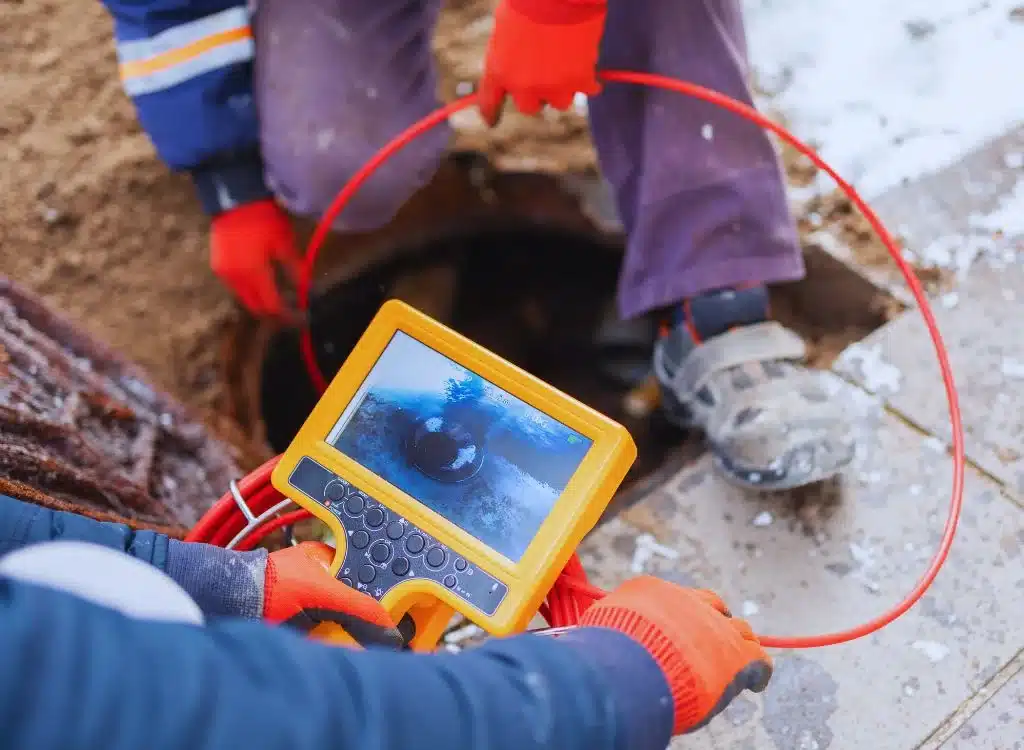
In many Littleton neighborhoods with mature trees, root intrusion is one of the most common findings during a sewer camera inspection.
Warning Signs Tree Roots May Be Affecting Your Sewer Line
Watch for these common symptoms:
- More than one drain backs up at the same time.
- Toilets bubble or gurgle after flushing.
- Water drains slowly throughout the home.
- The lawn develops unusually green or soggy patches.
- You notice recurring sewer odors outdoors.
- Drain cleaning temporarily solves the problem before it returns.
These warning signs often indicate that the issue extends beyond a single fixture and may involve the home’s main sewer line.
How Colorado’s Shifting Soil Affects Underground Plumbing
Many homeowners are surprised to learn that the soil surrounding their home plays a major role in the health of their sewer system.
Colorado experiences seasonal weather changes that cause soil to expand when it absorbs moisture and shrink during dry periods. This constant movement places pressure on underground pipes year after year.
Unlike modern flexible materials, many older sewer pipes were not designed to withstand decades of soil movement. As the ground shifts, the plumbing system may gradually become misaligned or develop stress fractures.
Pipe Misalignment
Ground movement can cause sections of pipe to separate slightly, creating small gaps where wastewater escapes and tree roots enter.
Even a minor separation can reduce the efficiency of the entire drainage system.
Pipe Settlement
Over time, soil beneath a sewer line may settle unevenly. This creates low spots, often called “bellies,” where wastewater collects instead of flowing smoothly toward the municipal sewer connection.
Standing wastewater increases the likelihood of recurring clogs and unpleasant odors.
Cracks Caused by Ground Pressure
As surrounding soil expands and contracts, older clay or cast-iron pipes may develop hairline cracks that slowly grow larger over time.
Although these cracks may not immediately cause a backup, they allow water to leak into the surrounding soil while also creating entry points for invasive roots.
Why Aging Sewer Pipes Become More Vulnerable Over Time
Every plumbing system has a lifespan. While sewer pipes are built to last for decades, years of wastewater flow, changing soil conditions, and normal wear eventually weaken underground materials.
Older homes may still have original sewer lines made from clay, cast iron, or other materials that naturally deteriorate with age.
Common problems found in aging sewer systems include:
- Pipe corrosion
- Joint separation
- Cracked pipe walls
- Mineral buildup inside the pipe
- Root intrusion through weakened joints
- Partial or complete pipe collapse
Older clay pipes are especially vulnerable because they contain multiple joints that can gradually loosen over time. Cast-iron pipes may corrode internally, reducing the pipe’s diameter and restricting wastewater flow.
Modern PVC sewer pipes generally resist corrosion better, but they can still be affected by heavy ground movement or poor installation.
Because underground deterioration happens slowly, many homeowners don’t recognize a problem until sewage begins backing up into the house.
How Several Small Problems Turn Into One Major Sewer Failure
Most sewer emergencies are not caused by a single event. Instead, they develop as several issues occur simultaneously.
For example, an older clay sewer pipe may first develop a small crack due to decades of natural wear. Nearby tree roots detect the escaping moisture and begin growing toward the opening. At the same time, seasonal soil movement widens the crack, allowing even more roots to enter.
Eventually, grease, paper products, and everyday household waste become trapped within the growing root mass. What began as a tiny underground crack slowly develops into a severe blockage that prevents wastewater from leaving the home.
By the time homeowners notice multiple drains backing up, the damage has often been developing for months or even years.
Professional sewer camera inspections are valuable because they identify these hidden problems long before they become plumbing emergencies.
A Real-World Example of Hidden Sewer Line Damage
Homeowner recently experienced recurring drain problems that seemed unrelated at first. The kitchen sink drained slowly, the basement shower occasionally backed up, and the toilets made bubbling sounds after flushing. Since the issues came and went, the homeowner assumed a simple drain cleaning would solve the problem.
A professional sewer camera inspection revealed a different story. The underground sewer pipe had developed a crack due to years of soil movement. Tree roots had entered through the damaged joint and created a partial blockage that continued to trap grease, paper products, and other debris. Fortunately, the problem was identified before the pipe collapsed completely, allowing the damaged section to be repaired without extensive excavation.
This example highlights why recurring plumbing issues should never be ignored. Minor symptoms often indicate a larger problem developing beneath the property.
How Professionals Diagnose Sewer Line Problems
A successful sewer repair begins with identifying the exact cause of the problem instead of treating the symptoms alone. Modern plumbing technology allows technicians to inspect underground pipes accurately while minimizing unnecessary digging.
Step 1: Evaluate the Symptoms
The inspection starts with understanding the home’s plumbing history. A licensed plumber will ask about recurring clogs, slow drains, unusual odors, and previous sewer repairs. Knowing when the symptoms began helps narrow down potential causes.
Step 2: Perform a Sewer Camera Inspection
A waterproof, high-definition camera is inserted into the sewer line to examine its interior condition in real time. This technology helps identify:
- Tree root intrusion
- Cracked or broken pipes
- Pipe corrosion
- Offset or separated joints
- Grease and debris buildup
- Sagging pipe sections
- Collapsed sewer lines
Because the inspection provides a clear view of the entire pipeline, homeowners receive an accurate diagnosis before any repair work begins.
Step 3: Recommend the Right Solution
Once the problem is identified, the plumber recommends the most effective repair based on the pipe’s condition, the severity of the damage, and the property’s layout.
Possible solutions include:
- Professional drain cleaning
- Hydro jetting to remove stubborn buildup
- Localized sewer line repair
- Trenchless sewer repair
- Complete sewer line replacement
Choosing the appropriate solution helps prevent recurring problems while extending the life of the plumbing system.
Hydro Jetting vs. Sewer Line Repair
Many homeowners assume every blockage requires replacing the sewer line, but that isn’t always the case. The right solution depends on whether the issue is caused by debris buildup or structural pipe damage.
Hydro jetting uses high-pressure water to remove grease, sludge, mineral deposits, and small tree roots from inside the pipe. It restores proper flow without damaging healthy plumbing and is often recommended for recurring blockages caused by buildup.
However, hydro jetting cannot repair cracked, broken, or collapsed pipes. If the camera inspection reveals structural damage, the affected section must be repaired or replaced to prevent future backups.
A professional inspection ensures homeowners receive the most cost-effective solution rather than paying for unnecessary repairs.
Trenchless Repair or Traditional Sewer Replacement?
Advances in plumbing technology have made sewer repairs less disruptive than they once were. In many situations, homeowners can choose between trenchless repair methods and conventional excavation.
Trenchless Sewer Repair
Trenchless techniques repair or replace underground pipes with minimal digging. They are often suitable when the existing pipeline is structurally stable enough to support restoration.
Benefits include:
- Less damage to landscaping
- Faster project completion
- Reduced restoration costs
- Minimal disruption to driveways and sidewalks
Traditional Sewer Replacement
If the sewer line has collapsed, suffered extensive corrosion, or sustained widespread damage, excavation may be the safest long-term solution. Although this method involves more digging, it allows plumbers to replace severely deteriorated pipes with durable modern materials.
A professional evaluation helps determine which option provides the best long-term value for your property.
How Homeowners Can Help Prevent Sewer Line Problems
While some sewer issues are unavoidable, regular maintenance can significantly reduce the risk of expensive repairs.
Consider these preventive steps:
- Schedule periodic sewer camera inspections for older homes.
- Address slow drains before they become recurring backups.
- Avoid pouring grease, oils, or food scraps down kitchen drains.
- Flush only toilet paper and human waste.
- Avoid planting large trees directly above underground sewer lines.
- Maintain proper drainage around your home’s foundation.
- Have recurring clogs professionally evaluated instead of relying on chemical drain cleaners.
Routine inspections often identify small problems before they develop into major plumbing emergencies.
Should You Repair or Replace Your Sewer Line?
One of the most common questions homeowners ask is whether repair or replacement is the better investment.
Repair may be the right choice if:
- Damage is limited to one section of pipe.
- Tree root intrusion is minor.
- The remaining sewer line is structurally sound.
- Cracks are isolated.
Replacement may be recommended if:
- Multiple sections are damaged.
- The pipe has collapsed.
- Corrosion is widespread.
- Repairs have become frequent.
- The sewer line has reached the end of its service life.
Making the right decision depends on a thorough inspection rather than assumptions. Investing in the appropriate solution today can help prevent repeated repair costs in the future.
Frequently Asked Questions
What are the first signs of a damaged sewer line?
Slow drains throughout the home, frequent toilet backups, gurgling sounds, sewage odors, and wet areas in the yard are common warning signs.
Can tree roots return after removal?
Yes. If cracks or loose joints remain, roots can grow back. Repairing the damaged pipe helps prevent future intrusion.
How often should older homes have a sewer inspection?
Homes with older plumbing systems should consider a sewer camera inspection every few years or whenever recurring drainage issues appear.
Is hydro jetting safe for sewer pipes?
When performed by experienced professionals, hydro jetting is safe for structurally sound pipes and effectively removes grease, sludge, and debris.
Does homeowners insurance cover sewer line damage?
Coverage varies by policy. Homeowners should review their insurance policy or speak with their provider to understand what is included.
Can heavy rain affect my sewer line?
Yes. Excess groundwater can increase pressure on aging pipes and expose existing weaknesses, especially in older sewer systems.
How long do residential sewer pipes typically last?
The lifespan depends on the pipe material. Clay and cast-iron pipes generally have shorter service lives than modern PVC systems, especially when exposed to soil movement and root intrusion.
When should I call a professional plumber?
If multiple drains are slow, toilets repeatedly back up, or you notice sewage odors around your property, schedule a professional inspection as soon as possible to prevent further damage.
Protect Your Home with Professional Sewer Line Services
Underground sewer problems often develop gradually, but the damage they cause can become expensive if left unaddressed. Tree roots, shifting soil, and aging pipes place continuous stress on residential plumbing systems, making early detection one of the best ways to avoid major repairs.
If you’ve noticed slow drains, recurring clogs, gurgling toilets, or unpleasant sewer odors, don’t wait for a complete backup. A professional sewer camera inspection can identify the source of the problem and determine the most effective repair solution.
A Clear Choice Plumbing & Heating provides trusted sewer line repair , CO, helping homeowners diagnose underground plumbing issues with advanced inspection technology and reliable repair solutions. Whether your sewer line needs cleaning, repair, or replacement, taking action early can protect your home, reduce long-term costs, and restore your plumbing system’s performance with confidence.
Call A Clear Choice Plumbing & Heating today at +17209381554 to schedule a professional sewer inspection and get reliable sewer line repair services in Littleton before a minor plumbing issue turns into a costly emergency.