You lock the doors for the night, turn off every faucet, and make one last trip to the garage before heading to bed. As you walk past your water meter, something catches your eye the indicator is still moving. You pause for a moment, wondering if you forgot to turn something off. After checking the sinks, toilets, dishwasher, washing machine, and outdoor hose, everything appears normal. Yet the meter continues to register water usage.
Many homeowners dismiss this as a faulty meter or a temporary issue. Unfortunately, that’s rarely the case.
A moving water meter is often one of the earliest warning signs that water is escaping somewhere within your plumbing system. Because many leaks develop behind walls, beneath concrete foundations, inside crawl spaces, or underground, they can remain unnoticed for weeks or even months. During that time, moisture continues to spread, utility bills climb, and hidden damage becomes more expensive to repair.
That’s why homeowners who notice unexplained water usage often schedule plumbing inspections in Englewood before a small issue turns into a major repair. A professional inspection can identify hidden problems early, helping protect both your plumbing system and your home.
Why Does Your Water Meter Keep Moving When Everything Is Turned Off?
Your home’s water meter records every gallon of water entering the plumbing system. When no faucets, fixtures, or water-using appliances are operating, the meter should remain completely still.
If it doesn’t, water is likely flowing somewhere it shouldn’t.
Although homeowners sometimes assume the meter itself is malfunctioning, continuous movement usually points to an underlying plumbing issue rather than a defective meter.
Some of the most common causes include:
- Hidden pipe leaks behind walls
- Underground water service line leaks
- Slab leaks beneath the home’s foundation
- Running toilets with worn internal components
- Corroded plumbing pipes
- Dripping shut-off valves
- Leaking outdoor hose bibs
- Small fixture leaks that aren’t immediately visible
Many of these problems develop gradually, making them difficult to detect without professional leak detection equipment. By the time visible signs appear, the damage may already extend beyond the plumbing itself.
Why Small Leaks Often Become Expensive Repairs
One of the biggest misconceptions homeowners have is that a minor leak can’t cause significant damage. In reality, even a slow drip can waste hundreds or even thousands of gallons of water over time.
While the leak remains hidden, moisture can begin affecting multiple parts of your home, including:
- Drywall and interior paint
- Hardwood, laminate, or tile flooring
- Cabinets and trim
- Insulation inside walls
- Wooden framing
- Concrete foundations
- Indoor air quality through mold and mildew growth
Beyond the physical damage, hidden leaks place unnecessary strain on your plumbing system and increase monthly utility costs. What might have started as a simple pipe repair can eventually require water damage restoration, mold remediation, flooring replacement, or structural repairs if left unaddressed.
Early detection is almost always the most affordable solution.
What Can a Professional Plumbing Inspection Reveal?
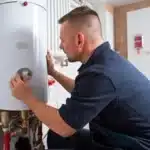
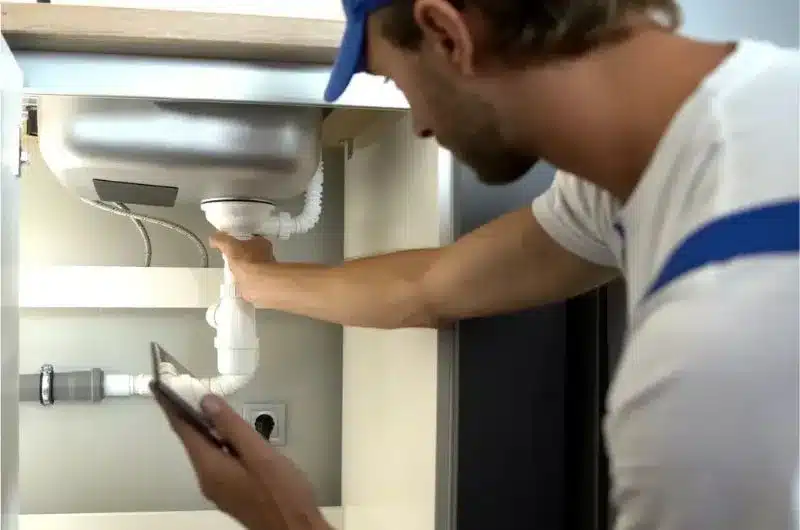
A comprehensive plumbing inspection involves much more than checking the pipes beneath your kitchen sink. Experienced plumbers evaluate the overall health of your plumbing system using proven diagnostic methods designed to uncover issues that aren’t visible during a routine walk-through.
Depending on your home’s condition, an inspection may identify:
Underground Water Line Leaks
Water service lines naturally age over time. Corrosion, shifting soil, tree root intrusion, and normal wear can all create cracks that allow water to escape beneath your property. Because these pipes are buried, homeowners often discover the problem only after noticing higher water bills or continuous meter movement.
Slab Leaks
Homes built on concrete slabs can develop leaks beneath the foundation. These hidden leaks may gradually weaken the slab, damage flooring, and create persistent moisture problems if they aren’t located promptly.
Pipe Corrosion
Older galvanized or metal plumbing systems eventually deteriorate. Corroded pipes can reduce water pressure, restrict water flow, and increase the likelihood of future leaks. Identifying aging pipes early allows homeowners to plan repairs before unexpected failures occur.
Running Toilets and Hidden Fixture Leaks
A worn toilet flapper or faulty fill valve can waste an astonishing amount of water without drawing attention. Likewise, slow leaks around tubs, showers, sinks, or supply lines often remain hidden behind walls until staining, odors, or visible water damage appears.
For many homeowners, these issues remain completely unnoticed until a professional inspection uncovers the true source of the problem.
How Do Professional Plumbing Inspections Find Hidden Problems?
One concern many homeowners have is whether finding a hidden leak means cutting into walls or tearing up flooring. Fortunately, modern plumbing inspections are designed to locate problems with as little disruption as possible.
Rather than relying on guesswork, licensed plumbers use a systematic approach to evaluate your home’s plumbing system and determine whether hidden water loss is occurring.
A typical inspection may include:
A Complete Plumbing System Evaluation
Your plumber will inspect accessible supply lines, drain lines, shut-off valves, exposed pipes, fixtures, and connections for signs of wear, corrosion, or leaks. They may also check water pressure and evaluate whether your plumbing system is operating efficiently.
Professional Leak Detection
Hidden leaks aren’t always visible, but specialized leak detection equipment can often pinpoint their location without unnecessary demolition. This allows plumbers to identify the source more accurately while minimizing disruption to your home.
Pressure Testing
If a hidden leak is suspected, pressure testing helps determine whether water is escaping somewhere within the plumbing system. This process provides valuable information that guides the next steps for repair.
Clear Recommendations
After completing the inspection, your plumber should explain what was found, discuss available repair options, and answer any questions you have. A trustworthy professional focuses on helping you make informed decisions rather than recommending services you don’t need.
This transparent approach gives homeowners confidence that repairs are based on the actual condition of the plumbing system not assumptions.
Why Preventive Plumbing Inspections Matter for Englewood Homes
Every plumbing system experiences normal wear, but local conditions can accelerate that process. In Colorado, seasonal temperature fluctuations, shifting soil, hard water minerals, and aging residential infrastructure all place additional stress on water lines and plumbing components.
For many homeowners, these issues develop gradually with little or no warning.
Scheduling plumbing inspections in Englewood every year or two helps identify developing problems before they become emergency repairs. Preventive inspections are especially valuable if your home is older, you’ve experienced recurring plumbing issues, or you’ve recently purchased a property and want a clearer understanding of its plumbing condition.
Regular inspections also provide peace of mind by helping homeowners catch small concerns before they affect their daily routine or lead to costly water damage.
When Should You Schedule a Plumbing Inspection?
While routine inspections are a smart part of home maintenance, certain warning signs deserve immediate attention.
Consider scheduling an inspection if you notice:
- Your water meter continues moving after every water fixture has been turned off.
- Your monthly water bill suddenly increases without a clear explanation.
- Water pressure changes unexpectedly.
- You notice damp drywall, stained ceilings, warped flooring, or musty odors.
- Your home is more than 20 years old.
- You’ve had multiple plumbing repairs within the past year.
- You’re buying or selling a home and want to evaluate the plumbing system before closing.
Responding early can often prevent more extensive repairs later.
A Simple Water Meter Check Every Homeowner Can Perform
Although a professional inspection provides the most accurate diagnosis, you can perform a quick preliminary check if you suspect a hidden leak.
- Turn off every faucet, appliance, irrigation system, and water-using fixture.
- Locate your home’s water meter.
- Watch the leak indicator or meter dial for several minutes.
- If the indicator continues moving, water may be escaping somewhere within your plumbing system.
This simple test doesn’t identify the exact source of the problem, but it can confirm that further investigation is needed.
Avoid opening walls or flooring in an attempt to find the leak yourself. Hidden plumbing issues often require professional equipment and experience to locate accurately while avoiding unnecessary damage.
Protect Your Home Before a Small Leak Becomes a Major Problem
A moving water meter is more than an unusual reading and it’s often your home’s earliest warning that something isn’t right. Acting quickly can help prevent water damage, reduce unnecessary water waste, and protect one of your home’s most important systems.
Whether the issue involves a hidden pipe leak, slab leak, aging plumbing, or a running fixture, early detection allows repairs to be made before they become larger and more expensive.
If you’ve noticed unexplained water usage or suspect a hidden leak, professional plumbing inspections in Englewood can provide the answers you need.
At A Clear Choice Plumbing & Heating, our licensed plumbers perform thorough inspections using proven diagnostic techniques to identify hidden plumbing problems with minimal disruption to your home. We believe in honest recommendations, transparent pricing, quality workmanship, and long-term solutions not unnecessary repairs. Whether you need a routine inspection or emergency assistance, our team is committed to helping you protect your home, conserve water, and avoid unexpected plumbing emergencies.
Call A Clear Choice Plumbing & Heating today at +17209381554 to schedule your plumbing inspection or request your free estimate.
Frequently Asked Questions
1. Why is my water meter moving when everything is turned off?
A moving water meter usually indicates that water is flowing somewhere within your plumbing system. Hidden pipe leaks, slab leaks, running toilets, or underground water line problems are among the most common causes.
2. How often should I schedule a plumbing inspection?
Most homes benefit from a professional plumbing inspection every one to two years. Older homes or properties with previous plumbing issues may require more frequent inspections.
3. Can a hidden leak increase my water bill?
Yes. Even a slow leak can waste a significant amount of water over time, causing higher utility bills while increasing the risk of water damage and mold growth.
4. Are plumbing inspections worth it if I don’t see a leak?
Absolutely. Many plumbing problems begin out of sight and produce no visible symptoms until substantial damage has already occurred. Preventive inspections help detect issues before they become costly repairs.
5. What happens during a professional plumbing inspection?
A plumber evaluates your plumbing system, checks for hidden leaks, tests water pressure when necessary, inspects visible plumbing components, and provides recommendations based on the overall condition of your home’s plumbing.