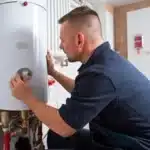
A hot shower should not feel like a race against the clock. Yet many Littleton homeowners start the morning with plenty of hot water, only to find the temperature dropping during the second shower. Then someone starts the laundry, the dishwasher runs, and suddenly another faucet produces lukewarm water.
When this happens repeatedly, it is easy to assume the water heater is simply getting old. But unreliable hot water can have several causes.
Sediment buildup can affect heating performance. An aging heater may become less reliable over time. Or your household may simply be using more hot water than the existing system can comfortably provide.
Understanding which problem you have is important because the right solution could be maintenance, repair, replacement, or a different water-heating system.
The Real Reason Your Hot Water May Feel Unreliable
Hot-water problems do not always begin with a complete equipment failure. Performance can gradually change.
You may notice that showers become shorter before the water turns lukewarm, recovery takes longer, or the heater starts making popping or rumbling sounds. You may also find that everything works normally until several fixtures are being used at the same time.
These clues can help identify the cause.
For homeowners searching for “water heater repair near me“, the goal should not be to replace the equipment automatically. A professional evaluation should determine whether the issue involves sediment, aging equipment, insufficient capacity, or a specific component that can be repaired.
Could Sediment Be Reducing Hot Water Performance?
Sediment is a common but often overlooked cause of declining water-heater performance.
Over time, minerals and other deposits can collect inside a conventional storage tank. As buildup accumulates, it can interfere with efficient heat transfer and contribute to longer heating cycles.
Possible signs include:
- Popping or rumbling noises
- Hot water that does not last as long as before
- Longer recovery periods
- Declining heating performance
- More frequent maintenance concerns
Sediment does not automatically mean the water heater needs replacement. If the tank and major components remain in good condition, professional maintenance may help address the buildup.
However, sediment combined with corrosion, leakage, or significant deterioration deserves closer attention. In that situation, homeowners should evaluate the overall condition of the heater rather than treating sediment as the only problem.
Is an Aging Water Heater Struggling?
Water heaters do not always fail suddenly. An aging system can gradually become less reliable while still producing hot water.
You may notice that the heater works for one shower but struggles to provide enough hot water for several people. Recovery may take longer, or repairs may become more frequent.
Age alone does not mean replacement is necessary. The heater’s physical condition, maintenance history, performance, and household demand should all be considered.
An older system with one isolated component problem may still be worth repairing. An aging heater with recurring failures, corrosion, leakage, and declining performance may make replacement more practical.
Has Your Growing Household Outgrown the Water Heater?
Sometimes the water heater is not broken at all.
Your household has simply changed.
A home that once had one or two occupants may eventually have more family members, an additional bathroom, more laundry, or several people using hot water at similar times.
A conventional storage tank contains a limited amount of heated water. Once that supply is depleted, the system needs time to recover.
That can create a familiar morning problem: one person takes a shower, another starts laundry, someone runs the dishwasher, and the next person discovers that the water is barely warm.
If the heater works normally when one fixture is operating but struggles when several fixtures are used together, the issue may be capacity rather than mechanical failure.
Signs Your Household Demand Has Increased
Look for patterns such as:
- Hot water runs out during back-to-back showers.
- Morning use repeatedly causes complaints.
- Laundry and showering cannot comfortably happen together.
- Multiple bathrooms are being used more frequently.
- Your household has added another occupant.
- Hot-water problems happen mainly during peak-use periods.
Before replacing the equipment, a professional can determine whether the existing heater is still appropriately sized for your current needs.
When Is Water Heater Repair Still Worth It?
Repair can make sense when the heater remains in good condition and the problem involves an identifiable, serviceable component.
A faulty control, valve, heating component, or another isolated issue may be repairable without replacing the entire system.
Replacement deserves more consideration when the heater has:
- Multiple recurring problems.
- Significant corrosion or leakage.
- Persistent issues after previous repairs.
- Increasing repair frequency.
- Declining performance associated with age.
- Insufficient capacity for the household’s current needs.
The goal is not to replace a heater simply because it is older. Homeowners should compare its condition, repair history, expected reliability, and ability to meet current demand.
If you already have a tankless system with a performance problem, Tankless water heater repair may be appropriate. But repairing a conventional heater will not solve a capacity problem if the household has simply outgrown the system.
When Does Tankless Make More Sense?
If your growing household consistently needs more hot water than a conventional storage tank can provide, a tankless system may be worth considering.
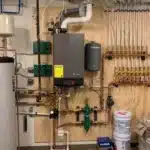
A tankless water heater heats water as it is needed instead of continuously storing a large volume of heated water.
It may be worth discussing when:
- Hot water frequently runs out.
- Several fixtures operate during peak periods.
- The existing tank is nearing the end of its service life.
- Household demand has increased.
- Available installation space is limited.
- Repeated repairs are becoming difficult to justify.
However, tankless is not automatically the best solution.
Proper sizing depends on fixture flow rates, simultaneous demand, incoming water temperature, fuel supply, venting, electrical requirements, water quality, and installation conditions.
In the Denver-area climate, colder incoming-water temperatures during winter can also affect the heating capacity required.
That is why Tankless water heater installation in Littleton should begin with an evaluation of the home’s actual demand and installation requirements instead of choosing a unit based only on advertised output.
What Should a Professional Check?
A professional water-heater evaluation should look beyond whether the equipment is currently producing hot water.
Heater Condition
The tank, connections, controls, heating components, and other accessible parts should be evaluated along with the system’s age and repair history.
Sediment and Scale
Mineral accumulation may help explain unusual sounds, longer heating cycles, or declining performance.
Temperature and Recovery
Testing how the heater responds to normal household demand can help identify heating, recovery, control, or capacity problems.
Household Demand
The number of occupants, bathrooms, fixtures, and simultaneous-use patterns should influence equipment selection.
Existing Infrastructure
If replacement or a tankless conversion is being considered, gas, electrical, plumbing, and venting requirements should be evaluated before installation.
This process helps prevent homeowners from replacing equipment without first understanding why the current system is no longer meeting expectations.
What Littleton Homeowners Should Consider Before Going Tankless
A tankless conversion is more than a simple water-heater swap.
Before installation, consider:
- Flow rate: How many fixtures may operate simultaneously?
- Fuel source: Is the existing gas supply appropriately sized?
- Venting: Will the new system require different venting?
- Electrical needs: Will additional electrical work be required?
- Water quality: Could mineral buildup affect performance?
- Maintenance: Will periodic descaling be necessary?
- Installation location: Is there adequate access and clearance?
- Peak demand: How much hot water does your household actually need?
Established homes may have plumbing, gas, electrical, or venting infrastructure designed around an older tank-style system. Proper planning helps ensure the new equipment is compatible and appropriately sized.
When Should You Call a Plumber?
Do not ignore a water heater that is leaking, producing unusual noises, repeatedly losing hot-water capacity, or showing signs of serious deterioration.
Professional service is also worth considering when:
- Hot water suddenly becomes unreliable.
- Recovery takes significantly longer than before.
- Several repairs have not solved the problem.
- Your household consistently runs out of hot water.
- You notice corrosion or water around the equipment.
- The system cannot keep up with normal household use.
If you are searching for plumbers near me, plumbing near me, or plumbing services in Littleton, look for a professional who will explain the likely cause instead of automatically recommending replacement.
For homeowners who need dependable plumbing company in Littleton, a proper evaluation can turn an uncertain hot-water problem into a clear repair, maintenance, or replacement plan.
Why Homeowners Choose A Clear Choice Plumbing & Heating
At A Clear Choice Plumbing & Heating, we approach water-heater problems with a diagnostic mindset.
We consider the equipment’s condition, household demand, installation requirements, and long-term practicality before recommending a solution.
Whether you need a Plumber, water-heater diagnosis, repair, maintenance, replacement guidance, or a new tankless system, our goal is to make the process straightforward.
We also offer 24/7 Emergency Services, Licensed Plumbers, No Hidden Costs, and Free Estimates Available where appropriate.
Our Years of Experience help us recognize the difference between a repairable problem and a system that may no longer be the right fit for the home.
Frequently Asked Questions
How does sediment affect a water heater?
Sediment can collect inside a conventional storage tank and interfere with efficient heat transfer. It may contribute to unusual noises, longer heating cycles, and reduced hot-water performance.
Why does my hot water run out faster than it used to?
An aging heater, sediment buildup, declining heating performance, or increased household demand can cause hot water to run out sooner. If the problem mainly occurs during peak use, capacity may be a major factor.
How do I know if my household has outgrown its water heater?
If hot water consistently runs out during back-to-back showers or when laundry, dishwashing, and multiple fixtures operate together, your system may no longer have enough capacity for current demand.
When should I consider a tankless water heater?
Tankless may be worth considering when household demand has increased, hot water frequently runs out, or an aging storage heater is becoming difficult to maintain. Proper sizing should be evaluated before installation.
Is tankless always better than a traditional water heater?
No. The right system depends on household demand, installation conditions, available infrastructure, water quality, maintenance requirements, and the home’s specific needs.
What should I do if my water heater starts leaking?
If it is safe to do so, turn off the appropriate water and energy supply, avoid using the failing equipment, and arrange professional service promptly to reduce the risk of water damage.
Find the Cause Before Replacing Your Water Heater
When your hot water feels unreliable in Littleton, the problem may not simply be a “bad” water heater.
Sediment may be affecting heating performance. An aging system may be losing reliability. Or your growing household may simply be asking more from the heater than it was designed to provide.
Each situation calls for a different response.
A system with an isolated component problem may only need repair. An aging or deteriorating heater may make replacement more practical. And a household that has outgrown its conventional tank may benefit from a properly sized tankless system.
The important step is to identify the cause before choosing the solution.
If your showers are turning cold, your heater is making unusual noises, or your household keeps running out of hot water, contact A Clear Choice Plumbing & Heating for professional evaluation.
Call (720) 938-1554 to discuss your water-heater needs and determine whether repair, maintenance, replacement, or Tankless water heater installation in Littleton is the right next step for your home.