Few household problems are as frustrating as an unexplained sewer odor. One day, your home smells perfectly normal. The next, you’re greeted by an unpleasant odor coming from the kitchen sink, bathroom drain, or laundry room. You clean the surfaces, empty the trash, and even use air fresheners, but the smell continues to return. Before long, you begin to wonder whether the problem is hidden somewhere inside your plumbing system.
For many homeowners in Englewood, Colorado, persistent sewer odors are more than just an inconvenience. They often signal that something inside the drainage system needs attention. Grease buildup, soap residue, hard water mineral deposits, aging drain pipes, blocked plumbing vents, dry P-traps, or even tree root intrusion can all contribute to unpleasant smells that won’t go away on their own. Left unresolved, these issues may eventually lead to slow drains, recurring clogs, sewer backups, or costly plumbing repairs.
At A Clear Choice Plumbing & Heating, we’ve helped many homeowners throughout Englewood identify and eliminate stubborn sewer odors before they developed into major plumbing problems. In many service calls, homeowners initially believe they have a broken sewer line, only for our technicians to discover years of grease buildup, mineral scale, or organic debris restricting the drain. After a thorough professional drain cleaning, the odors disappear, drainage improves, and the plumbing system returns to normal operation.
The good news is that most sewer odor problems can be resolved when they’re identified early. Understanding what causes these smells, recognizing the warning signs, and knowing when to schedule a professional drain cleaning service can help protect your home’s plumbing system while improving indoor air quality and preventing more extensive repairs.
In this guide, we’ll explain the most common causes of sewer odors in Englewood homes, how Colorado’s unique conditions contribute to drainage problems, what professional plumbers look for during an inspection, and how expert drain cleaning can restore a clean, healthy, and efficiently flowing plumbing system.
Why Are Sewer Odors Common in Englewood Homes?
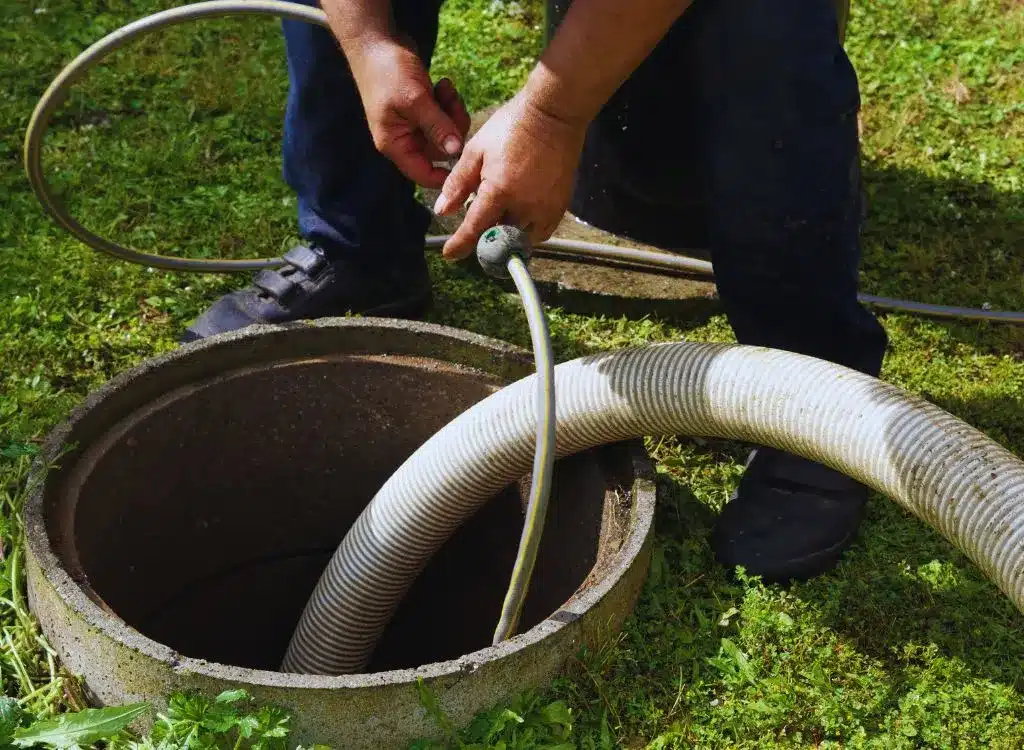
Many homes throughout Englewood were built decades ago, and while these neighborhoods offer character and charm, older plumbing systems often require more attention than modern installations. As drain lines age, their interior surfaces gradually collect layers of grease, soap scum, food particles, hair, mineral deposits, and other debris that restrict the flow of wastewater.
Colorado’s naturally hard water adds another challenge. Water containing elevated levels of calcium and magnesium leaves behind mineral scale inside drain pipes. Over time, these rough deposits create an ideal surface for grease, soap residue, and organic matter to accumulate. This combination not only slows drainage but also creates an environment where odor-causing bacteria and biofilm thrive.
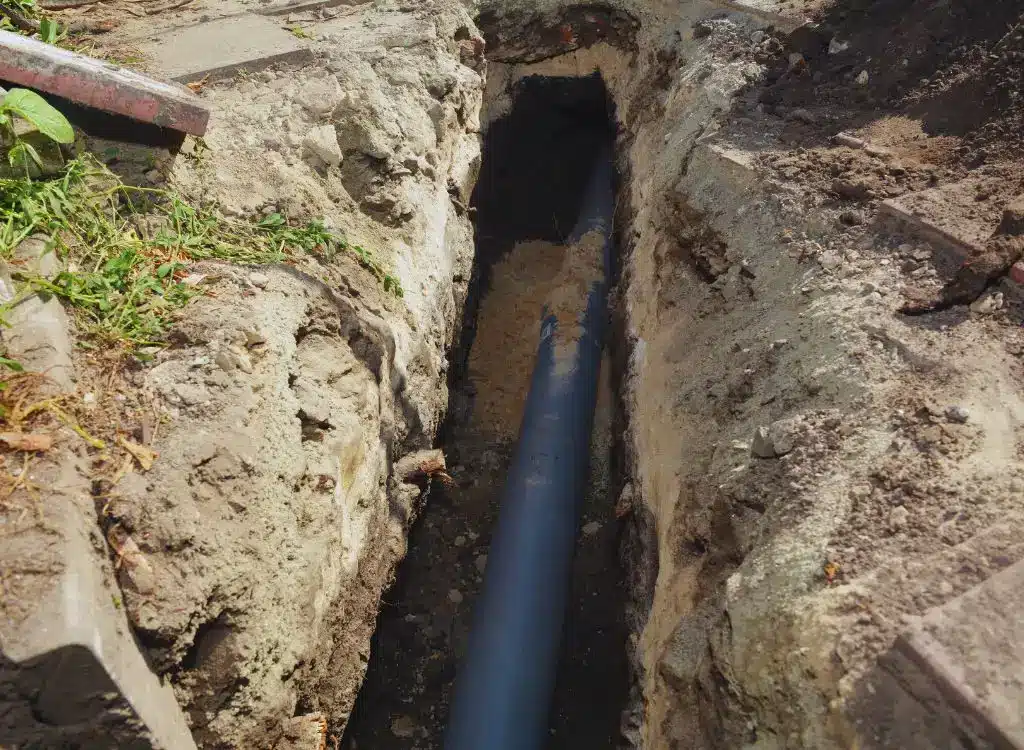
Older homes may also have aging cast iron or clay sewer lines. As these materials deteriorate, corrosion, shifting soil, or small cracks can reduce drainage efficiency or allow tree roots to enter the sewer line. Mature trees found throughout many Englewood neighborhoods naturally seek moisture, and even a tiny opening in an underground sewer pipe can attract roots that continue growing inside the line. As roots expand, they trap debris, restrict wastewater flow, and contribute to recurring sewer odors.
Seasonal weather conditions can also play a role. During warmer months, higher temperatures accelerate the decomposition of organic material inside drains, making odors more noticeable. Heavy rainfall or rapid snowmelt may also place additional stress on aging drainage systems, especially if partial blockages already exist.
While an occasional drain odor may seem harmless, persistent sewer smells often indicate that the plumbing system requires professional attention before the problem becomes more expensive to repair.
Did You Know?
Many homeowners believe sewer odors only occur after a drain becomes completely blocked. In reality, professional plumbers often find that unpleasant smells develop weeks or even months before a serious clog forms. Early warning signs such as slow drains, gurgling sounds, or occasional odors are often the first indication that your plumbing system would benefit from a plumbing inspection or professional drain maintenance. Addressing these issues early can help prevent emergency plumbing repairs and more expensive sewer line problems.
What Actually Causes Sewer Odors?
Many homeowners assume sewer odors always mean there’s a broken sewer pipe beneath the house. In reality, the smell often originates much closer to where it’s noticed.
Your home’s plumbing system is designed to safely carry wastewater away while preventing sewer gases from entering your living space. Components such as drain lines, P-traps, plumbing vents, and sewer connections all work together to maintain proper drainage and air pressure.
When any part of this system stops functioning correctly, unpleasant odors may begin escaping into the home.
Some of the most common causes include:
- Organic debris decomposing inside drain pipes
- Grease and soap scum restricting wastewater flow
- Mineral deposits caused by hard water
- Dry or improperly functioning P-traps
- Partial drain blockages
- Blocked plumbing vent pipes
- Tree root intrusion
- Aging or damaged sewer lines
- Biofilm buildup inside drains
- Poor drain maintenance over time
Identifying the exact source requires understanding how each of these issues affects your plumbing system.
Common Causes of Sewer Odors in Englewood Homes
1. Organic Buildup Inside Drain Pipes
One of the most common causes of unpleasant drain odors is the gradual accumulation of organic material inside drain pipes. Kitchen sinks collect grease, cooking oils, food particles, and soap residue, while bathroom drains accumulate hair, toothpaste, soap scum, and skin oils.
These materials rarely cause an immediate blockage. Instead, they slowly coat the inside of the drain pipe, reducing its diameter and creating an ideal environment for bacteria to multiply.
As bacteria break down this organic matter, they produce gases that travel back through the drain and into your home. The result is the familiar sewer-like smell that many homeowners notice long before water stops draining completely.
Professional drain cleaning removes these layers of buildup, restoring proper flow while eliminating the source of the odor instead of simply masking it.
2. Biofilm Growth Inside Drains
Many homeowners have never heard of biofilm, yet it’s one of the leading contributors to recurring drain odors.
Biofilm is a slimy layer of bacteria, grease, soap residue, and organic waste that clings to the inside of drain pipes. Unlike a simple clog, biofilm spreads across pipe surfaces and continually feeds on wastewater passing through the drain.
Because biofilm remains attached to the pipe walls, store-bought drain cleaners rarely remove it completely. While chemicals may temporarily improve water flow, the bacteria often remain, allowing unpleasant odors to return within a short period.
Professional drain cleaning physically removes biofilm from the interior of the drain, helping eliminate persistent odors while improving long-term drainage performance.
3. Dry P-Traps
Every sink, bathtub, shower, and floor drain contains a curved section of pipe called a P-trap.
The purpose of the P-trap is simple but essential. It holds a small amount of water that acts as a barrier between your home and the municipal sewer system. This water seal prevents sewer gases from entering your living space.
When a drain goes unused for several weeks, particularly in guest bathrooms, basements, or laundry rooms, the water inside the trap can evaporate. Once the water seal disappears, sewer gases can travel freely through the drain and into your home.
Fortunately, this issue is often easy to resolve by running water through the affected fixture. However, if odors persist after restoring the water seal, another plumbing issue may be contributing to the problem.
4. Partial Drain Clogs
Not every clog completely stops water from flowing.
In fact, many sewer odor problems begin with a partial blockage that homeowners don’t immediately notice. Water continues draining, but at a slower rate than normal. Grease, soap residue, food waste, and hair remain inside the pipe longer than they should, allowing bacteria and odor-causing gases to develop.
At A Clear Choice Plumbing & Heating, we frequently find that homeowners don’t realize their drains have been slowing down gradually over several months. Because the change happens so slowly, it often goes unnoticed until unpleasant odors or recurring clogs begin affecting multiple fixtures.
Addressing partial blockages early through professional drain cleaning helps restore proper wastewater flow while reducing the risk of a complete blockage or sewer backup.
5. Tree Root Intrusion in Sewer Lines
Englewood is home to many mature trees that enhance the beauty of residential neighborhoods. However, their extensive root systems can become a serious concern for underground plumbing.
Tree roots naturally seek out moisture and nutrients. Even a hairline crack or a loose joint in an aging sewer line can release enough moisture to attract nearby roots. Once roots enter the pipe, they continue growing, gradually creating a dense network that traps toilet paper, grease, food particles, and other debris moving through the sewer line.
At A Clear Choice Plumbing & Heating, we’ve found that homeowners are often surprised to learn that a recurring sewer odor is sometimes the first warning sign of root intrusion. Many assume the smell is coming from a sink drain, only to discover that roots have been restricting wastewater flow beneath the property for months.
Common signs of tree root intrusion include:
- Recurring drain clogs despite repeated cleaning
- Slow drainage throughout the home
- Gurgling toilets or drains
- Sewer odors indoors or outdoors
- Wet patches in the yard
- Frequent sewer backups
If tree roots are suspected, a sewer camera inspection provides the most accurate way to locate the intrusion and determine the appropriate repair or cleaning method.
6. Aging Sewer Lines
Many homes throughout Englewood still rely on sewer systems installed decades ago. While older plumbing materials such as cast iron, clay, and even Orangeburg pipe were common at the time of construction, they naturally deteriorate as they age.
Over the years, sewer pipes may experience:
- Interior corrosion
- Mineral scale buildup
- Joint separation
- Soil movement
- Small cracks
- Structural wear
These conditions reduce the pipe’s ability to move wastewater efficiently and create rough interior surfaces where grease, soap residue, and organic debris easily accumulate.
Homeowners often assume that an aging sewer line automatically requires replacement. However, that’s not always the case. During a professional inspection, plumbers evaluate the pipe’s overall condition before recommending repairs. In many situations, a thorough drain cleaning or hydro jetting service restores proper flow without requiring immediate replacement.
How Colorado’s Hard Water Contributes to Drain Problems
According to the U.S. Geological Survey, much of Colorado has hard to very hard water, meaning homes naturally experience greater mineral scale buildup inside plumbing systems over time.
Water supplied to homes naturally contains dissolved minerals, particularly calcium and magnesium. While these minerals are generally safe for household use, they gradually leave behind deposits inside plumbing fixtures and drain pipes.
Unlike smooth pipe walls, mineral deposits create rough surfaces that easily trap:
- Grease
- Soap scum
- Food particles
- Hair
- Organic debris
As these materials accumulate, bacteria begin feeding on the trapped waste, producing unpleasant odors that travel back through sinks, showers, bathtubs, and floor drains.
Mineral buildup also narrows the interior diameter of drain pipes, slowing wastewater flow and increasing the likelihood of future clogs.
Routine professional drain maintenance helps remove accumulated debris before mineral deposits become severe enough to affect the plumbing system’s overall performance.
Understanding Sewer Gas and Why It Smells So Bad
Many homeowners use the phrase “sewer odor” without realizing they’re actually smelling sewer gas.
Sewer gas is a mixture of gases naturally produced as organic waste decomposes inside municipal sewer systems and residential drain lines.
Some of its primary components include:
- Hydrogen sulfide, which creates the familiar rotten egg smell.
- Methane, a naturally occurring gas produced during decomposition.
- Carbon dioxide.
- Small amounts of ammonia and other naturally occurring gases.
Your plumbing system is specifically designed to prevent these gases from entering your home. Components such as P-traps, plumbing vents, and properly sealed drain connections work together to keep sewer gases safely contained.
When any part of that system fails, sewer gas may begin escaping into living spaces.
While a brief odor isn’t necessarily an emergency, persistent sewer gas should never be ignored. Besides creating an unpleasant environment, it often indicates an underlying plumbing issue that requires professional evaluation.
Can Sewer Odors Affect Indoor Air Quality?
Many homeowners wonder whether sewer odors are simply unpleasant or if they can affect their home’s indoor environment.
Although occasional odors caused by a dry P-trap are typically easy to resolve, persistent sewer gas entering a home deserves prompt attention.
Continuous exposure to strong sewer odors may lead to symptoms such as:
- Headaches
- Nausea
- Eye irritation
- General discomfort
- Reduced indoor air quality
More importantly, the odor itself usually indicates that wastewater is not moving through the plumbing system as intended.
Rather than masking the smell with air fresheners, it’s best to identify and correct the underlying plumbing problem before it worsens.
Blocked Plumbing Vents Can Also Cause Sewer Odors
One of the most overlooked causes of recurring sewer odors is a blocked plumbing vent.
Every residential plumbing system includes vent pipes that extend through the roof. These vents allow air to enter the drainage system, helping wastewater flow smoothly while maintaining proper pressure inside the pipes.
When a plumbing vent becomes blocked by:
- Leaves
- Bird nests
- Debris
- Snow or ice
- Animal activity
air can no longer circulate properly.
As pressure changes inside the plumbing system, water may be pulled from nearby P-traps or sewer gases may escape through drains instead of safely venting above the roof.
Signs of a blocked plumbing vent include:
- Gurgling sinks
- Bubbling toilets
- Slow drains
- Sewer odors throughout the home
- Water levels changing in toilets
Because plumbing vents are located on the roof, diagnosing these problems safely often requires professional inspection.
Warning Signs You Should Schedule Professional Drain Cleaning
Sewer odors rarely develop overnight. In most cases, homeowners notice smaller warning signs long before a complete blockage occurs.
Watch for these common indicators:
- Drains that empty more slowly than usual
- Gurgling sounds after running water
- Frequent drain clogs
- Standing water in sinks or tubs
- Water backing up into nearby fixtures
- Unpleasant odors near drains
- Multiple drains experiencing problems simultaneously
- Toilets bubbling when another fixture is used
- Recurring odors that return after cleaning
At A Clear Choice Plumbing & Heating, we encourage homeowners not to wait until wastewater backs up into the home. Addressing these early warning signs often results in a simpler, less expensive solution than waiting for a plumbing emergency.
Why Professional Diagnosis Matters
Many plumbing problems produce similar symptoms.
For example, a homeowner may assume a slow kitchen sink is caused by grease buildup when the actual issue is a partially blocked sewer line. Likewise, recurring odors in a guest bathroom may result from a dry P-trap rather than a damaged sewer pipe.
Professional plumbers don’t rely on guesswork. Using advanced diagnostic tools such as sewer camera inspections, comprehensive plumbing inspections, and years of hands-on experience, they identify the true source of recurring sewer odors before recommending repairs. This approach ensures homeowners receive the right solution the first time while avoiding unnecessary work and unexpected expenses.
Instead, they evaluate the entire drainage system to determine the actual source of the problem before recommending repairs.
Depending on the symptoms, this evaluation may include:
- Visual inspection of plumbing fixtures
- Drain flow testing
- Sewer camera inspection
- Assessment of plumbing vents
- Checking P-traps
- Identifying signs of root intrusion
- Evaluating overall sewer line condition
Accurate diagnosis not only resolves the immediate odor but also helps prevent unnecessary repairs and recurring plumbing issues.
How Professional Drain Cleaning Eliminates Sewer Odors
Professional drain cleaning does much more than restore water flow. It removes the underlying conditions that allow unpleasant odors to develop and return.
Many homeowners assume that if water is still draining, their plumbing system is functioning normally. In reality, wastewater can continue flowing through a partially restricted pipe for weeks or even months while grease, soap residue, mineral deposits, and organic debris continue accumulating along the pipe walls.
At A Clear Choice Plumbing & Heating, our technicians focus on identifying the source of the problem rather than simply treating the symptoms. By removing years of accumulated buildup, we help restore proper drainage, improve plumbing performance, and eliminate the bacteria and biofilm responsible for recurring sewer odors.
Professional drain cleaning can help:
- Remove grease, soap scum, and organic buildup
- Eliminate odor-causing bacteria and biofilm
- Restore proper wastewater flow
- Reduce the likelihood of recurring clogs
- Improve overall plumbing efficiency
- Extend the service life of drain lines
- Identify developing plumbing issues before they become emergencies
Most importantly, professional cleaning addresses the root cause of the odor instead of temporarily masking it.
What Happens During a Professional Drain Cleaning Service?
Many homeowners hesitate to schedule a plumbing service simply because they don’t know what to expect.
While every home presents unique challenges, a professional drain cleaning appointment generally follows a structured process designed to identify and resolve the problem efficiently.
1. Initial Assessment
The plumber begins by discussing the symptoms you’ve noticed, including:
- When the odor started
- Which drains are affected
- Whether slow drainage or recurring clogs are present
- Any previous plumbing repairs
This information helps narrow down potential causes before the physical inspection begins.
2. Plumbing System Inspection
Next, the technician evaluates the visible plumbing system.
This may include inspecting:
- Kitchen drains
- Bathroom drains
- Laundry drains
- Floor drains
- P-traps
- Cleanouts
- Visible drain piping
The goal is to identify obvious signs of buildup, leaks, improper drainage, or damaged components.
3. Drain Cleaning
Depending on the condition of the plumbing system, specialized equipment is used to remove accumulated debris safely and effectively.
Professional drain cleaning removes:
- Grease buildup
- Soap residue
- Hair
- Food particles
- Mineral scale
- Organic sludge
- Biofilm
Unlike many household drain cleaners, professional equipment removes buildup throughout the pipe rather than creating a small opening through the blockage.
4. System Testing
After cleaning, the plumber tests the drains to verify that wastewater flows properly and confirms that the odor-producing blockage has been removed.
If additional concerns remain, further diagnostic testing may be recommended.
When Is a Sewer Camera Inspection Recommended?
Not every drain problem requires a sewer camera inspection.
However, if sewer odors continue returning after routine cleaning or multiple drains experience recurring problems, a camera inspection often provides valuable information.
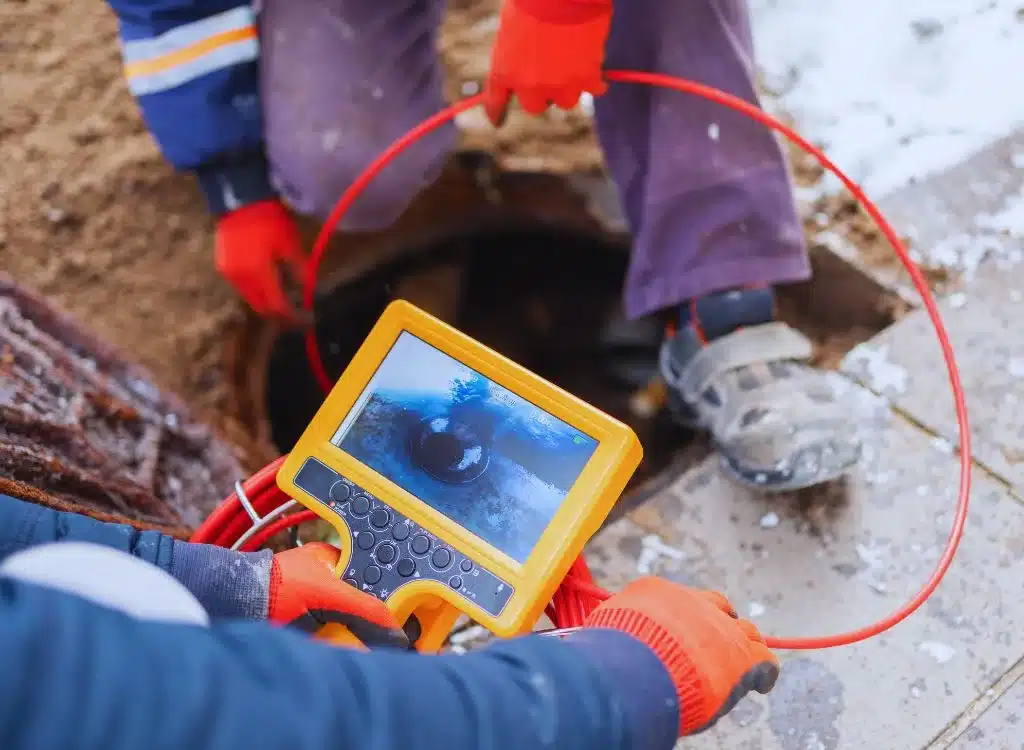
A small waterproof camera is inserted into the sewer line, allowing plumbers to examine the pipe’s interior in real time.
This technology helps identify:
- Tree root intrusion
- Pipe corrosion
- Cracks
- Offset pipe joints
- Heavy grease accumulation
- Mineral scale
- Foreign objects
- Collapsed sewer sections
Rather than relying on assumptions, a camera inspection allows plumbers to recommend the most appropriate solution based on the actual condition of the sewer line.
For homeowners with older plumbing systems, this technology often prevents unnecessary repairs while ensuring hidden problems aren’t overlooked.
Hydro Jetting vs. Traditional Drain Snaking
Homeowners often hear about both drain snaking and hydro jetting, but many aren’t sure which service is appropriate for their plumbing system.
Both methods remove drain blockages, but they work differently.
Drain Snaking
A drain snake uses a flexible cable with a specialized attachment to break apart or retrieve localized clogs.
Drain snaking works well for:
- Hair blockages
- Small obstructions
- Minor kitchen drain clogs
- Localized drain restrictions
While effective for many situations, snaking typically creates a pathway through the blockage rather than thoroughly cleaning the entire pipe.
Hydro Jetting
Hydro jetting uses high-pressure water to clean the full interior surface of drain pipes.
Instead of punching through a clog, hydro jetting removes:
- Grease
- Mineral deposits
- Soap scum
- Biofilm
- Sludge
- Organic debris
- Small tree roots
The result is a cleaner pipe with improved wastewater flow and fewer surfaces where bacteria can continue growing.
Hydro jetting is particularly effective for recurring drain problems and heavy buildup, although a professional inspection should determine whether it’s suitable for older or damaged piping.
Why Store-Bought Drain Cleaners Often Fail
When homeowners first notice a slow drain or unpleasant odor, many reach for a bottle of chemical drain cleaner.
While these products promise quick results, they often provide only temporary improvement.
Chemical drain cleaners generally work by attempting to dissolve a small portion of the blockage. Unfortunately, they rarely remove the full accumulation of grease, soap residue, biofilm, or mineral scale coating the pipe walls.
At A Clear Choice Plumbing & Heating, we’ve responded to many service calls where repeated chemical treatments temporarily improved drainage but failed to eliminate the underlying problem. In some cases, excessive chemical use even complicated repairs by exposing technicians to harsh residues during service.
Over time, repeated use may also contribute to deterioration in certain plumbing materials, particularly within older drain systems.
Professional drain cleaning focuses on physically removing buildup rather than relying on harsh chemicals to dissolve part of the obstruction.
What Homeowners Can Do Before Calling a Plumber
Not every sewer odor immediately requires emergency service.
There are a few simple checks homeowners can perform safely before scheduling an appointment.
Run Water Through Unused Fixtures
If a guest bathroom, basement sink, or floor drain hasn’t been used recently, run water for a minute or two to refill the P-trap.
Observe When the Odor Appears
Notice whether the smell occurs:
- After running the dishwasher
- During laundry
- After taking a shower
- Only in the morning
- Throughout the day
These details can help narrow down the source of the problem.
Identify Which Fixtures Are Affected
Is the odor limited to:
- One sink?
- One bathroom?
- The laundry room?
- Multiple drains?
Problems affecting multiple fixtures often indicate a larger drainage issue.
Avoid Chemical Drain Cleaners
Repeated chemical treatments may temporarily reduce odors without resolving the underlying cause.
Professional diagnosis is usually a better long-term investment.
Don’t Ignore Recurring Symptoms
Even if the odor disappears for several days, recurring sewer smells often indicate that buildup continues developing inside the plumbing system.
Addressing the issue early typically prevents more extensive repairs.
Common Mistakes Homeowners Make When Sewer Odors Appear
It’s natural to try solving unpleasant drain odors yourself, but some common approaches can actually make the problem worse or delay necessary repairs.
Avoid these common mistakes:
- Pouring grease, cooking oil, or coffee grounds down kitchen drains.
- Repeatedly using chemical drain cleaners instead of seeking clogged drain solutions from a professional plumber.
- Ignoring slow drains because water is still flowing.
- Covering sewer odors with air fresheners instead of identifying the source.
- Waiting until multiple fixtures become clogged before scheduling a plumbing inspection.
- Skipping routine drain maintenance, especially in older homes with aging plumbing systems.
Addressing these issues early often prevents larger plumbing repairs and helps keep your drainage system operating efficiently.
Preventive Drain Maintenance for Englewood Homeowners
Routine maintenance remains one of the most effective ways to prevent sewer odors and protect your plumbing system.
Healthy drains begin with good daily habits.
We recommend homeowners:
- Avoid pouring grease or cooking oil down kitchen drains.
- Dispose of food scraps properly instead of rinsing them into the sink.
- Install drain strainers to capture hair and debris.
- Flush only toilet paper and human waste.
- Run water in unused fixtures regularly to maintain P-traps.
- Schedule periodic professional drain inspections.
- Address slow drains before they become complete blockages.
- Consider routine maintenance for older plumbing systems.
These simple practices reduce the accumulation of debris, improve wastewater flow, and help extend the life of your home’s drainage system.
At A Clear Choice Plumbing & Heating, we often remind homeowners that preventive maintenance is almost always more affordable and less disruptive than dealing with an unexpected sewer backup or emergency plumbing repair.
When Do Sewer Odors Require Immediate Professional Attention?
A faint odor from an infrequently used drain may be resolved by restoring the water in the P-trap. However, persistent sewer odors or drainage problems should never be ignored. In many cases, what begins as a minor smell can develop into a much larger plumbing issue if left unresolved.
Contact a licensed plumber promptly if you notice any of the following:
- Strong sewer odors throughout multiple areas of the home
- Multiple drains backing up at the same time
- Water pooling around floor drains
- Toilets gurgling when sinks or showers are used
- Sewage backing into sinks, tubs, or showers
- Slow drains affecting several fixtures
- Recurring odors that return shortly after cleaning
- Wet spots or unusually green patches in your yard near the sewer line
- Unexplained increases in your water bill accompanied by drainage issues
At A Clear Choice Plumbing & Heating, we’ve seen many situations where homeowners initially delayed calling because the odor seemed minor. In many of those cases, an early inspection could have identified the problem before it developed into a major blockage or sewer line repair. Addressing sewer odors promptly not only protects your plumbing system but can also help prevent unnecessary property damage and costly emergency repairs.
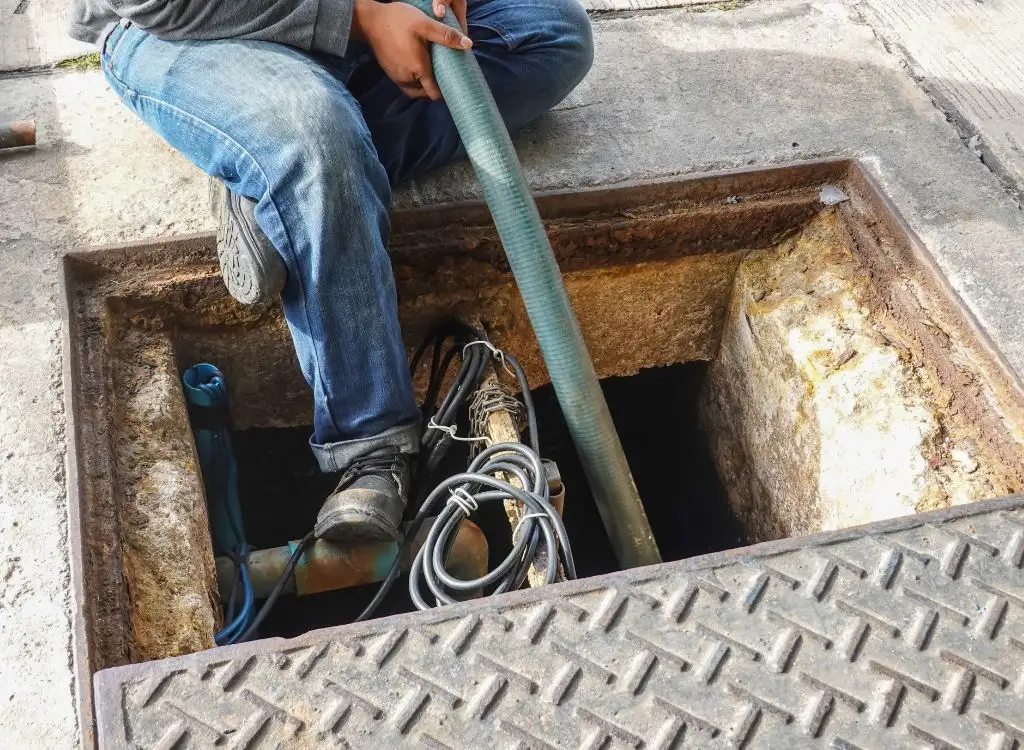
Why Choosing a Professional Drain Cleaning Service Matters
Professional drain cleaning isn’t simply about clearing a clog. It’s about understanding how your entire drainage system functions and identifying the underlying cause of recurring problems.
Every home is different. Older homes in Englewood may experience challenges related to aging cast iron pipes, hard water mineral buildup, mature tree roots, or decades of accumulated debris. A solution that works for one property may not be appropriate for another.
An experienced plumbing professional evaluates the complete system before recommending any service. This approach helps ensure that homeowners receive a solution based on the actual condition of their plumbing rather than assumptions or temporary fixes.
At A Clear Choice Plumbing & Heating, we believe every homeowner deserves clear communication, honest recommendations, and quality workmanship. Whether the solution involves routine drain cleaning, hydro jetting, a sewer camera inspection, or additional plumbing repairs, our goal is always to restore reliable drainage while helping homeowners avoid future problems.
Keep Your Englewood Home Fresh, Safe, and Flowing Properly
Sewer odors rarely disappear on their own. In most cases, they’re your plumbing system’s way of telling you that something isn’t functioning as it should. Whether the cause is grease buildup, biofilm, mineral deposits, a blocked plumbing vent, a dry P-trap, tree root intrusion, or an aging sewer line, identifying the source early can help prevent more serious plumbing issues later.
Routine drain maintenance and timely professional inspections play an important role in protecting your home’s plumbing system. Addressing small drainage concerns before they become major repairs can improve wastewater flow, eliminate unpleasant odors, extend the life of your pipes, and provide greater peace of mind.
If you’ve noticed recurring sewer odors, slow drains, or repeated clogs in your Englewood home, don’t wait until the problem turns into a plumbing emergency.
A Clear Choice Plumbing & Heating provides reliable drain cleaning services in Englewood, helping homeowners restore healthy plumbing systems with thorough inspections, professional drain cleaning, and long-lasting solutions tailored to their home’s needs.
Call A Clear Choice Plumbing & Heating today at +1 7209381554 to schedule your professional drain cleaning service and keep your home’s plumbing system clean, efficient, and odor-free.
Frequently Asked Questions
1. Why does my house smell like sewage even though my drains aren’t clogged?
A sewer odor doesn’t always indicate a complete blockage. Partial drain clogs, biofilm buildup, dry P-traps, blocked plumbing vents, aging sewer lines, or tree root intrusion can all allow sewer gases to enter your home. A professional inspection can identify the exact source of the odor.
2. How often should I schedule professional drain cleaning in Englewood?
Most homes benefit from professional drain cleaning every 12 to 24 months. Older homes, households with frequent drain problems, or properties with mature trees may benefit from more frequent maintenance to help prevent recurring clogs and sewer odors.
3. Can hard water cause drain odors?
Hard water itself doesn’t produce unpleasant smells. However, minerals such as calcium and magnesium leave deposits inside drain pipes that trap grease, soap residue, and organic debris. Over time, bacteria grow on this buildup, creating odors that resemble sewer gas.
4. Can tree roots cause sewer odors inside my home?
Yes. Tree roots entering underground sewer lines can restrict wastewater flow and trap organic debris. As waste accumulates inside the pipe, odors may travel back through your plumbing system, particularly if other drainage issues are also present.
5. Are chemical drain cleaners safe for older plumbing systems?
Occasional use may not cause immediate damage, but repeated use can accelerate deterioration in some older plumbing materials. Chemical cleaners also rarely remove the full buildup responsible for recurring odors. Professional drain cleaning provides a safer and more effective long-term solution.
6. What’s the difference between hydro jetting and drain snaking?
Drain snaking breaks apart or removes localized clogs, while hydro jetting uses high-pressure water to clean the entire interior surface of the drain pipe. Your plumber will recommend the most appropriate method based on your plumbing system’s condition and the type of blockage present.
7. How long does professional drain cleaning usually take?
Most residential drain cleaning appointments can be completed within one to two hours, depending on the severity of the blockage, the number of affected drains, and whether additional diagnostic services such as a sewer camera inspection are required.
8. Can sewer odors become a health concern?
Persistent sewer gas can affect indoor air quality and should always be investigated. While occasional odors from a dry P-trap are usually easy to resolve, recurring sewer smells often indicate an underlying plumbing issue that requires professional attention.
9. Should I schedule a sewer camera inspection if odors keep coming back?
If sewer odors return after repeated cleaning or multiple drains continue experiencing problems, a sewer camera inspection can help identify hidden issues such as tree root intrusion, pipe damage, corrosion, or heavy buildup inside the sewer line.
10. When should I call a plumber immediately?
Contact a licensed plumber if you notice multiple drains backing up, sewage entering sinks or tubs, strong sewer odors throughout your home, gurgling toilets, standing water near floor drains, or persistent drainage problems that continue despite basic troubleshooting.