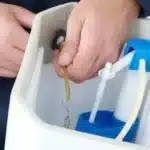
You flush the toilet before leaving for work and notice the water keeps running. It doesn’t seem like a big problem, so you replace the flapper after watching a few online videos. Everything appears to be working again until the next morning, when you find water around the base of the toilet. Suddenly, what looked like a quick DIY repair has become a much bigger plumbing problem.
Situations like this happen more often than many Littleton homeowners expect. We’ve seen cases where a running toilet turned out to be more than a worn flapper. Mineral buildup, a failing wax ring, or problems elsewhere in the plumbing system can create similar symptoms, making it easy to misdiagnose the issue.
While some toilet repairs are simple enough for homeowners to handle, others require a closer inspection to prevent recurring leaks, water damage, and unnecessary repair costs. This guide explains the most common toilet problems, when a DIY repair makes sense, and when it’s time to call for professional toilet repair in Littleton.
What Causes Toilet Problems in Many Littleton Homes?
Toilet problems rarely develop overnight. In most cases, they result from a combination of age, daily use, water quality, and the condition of the home’s plumbing system.
Littleton includes a mix of newer homes and well-established neighborhoods with properties that have been standing for decades. While these older homes offer lasting character, aging plumbing components naturally experience wear over time. Internal toilet parts such as fill valves, flush valves, flappers, seals, and wax rings gradually deteriorate with regular use, increasing the likelihood of leaks, weak flushing, and other performance issues.
Colorado’s naturally hard water is another common contributor. Minerals such as calcium and magnesium slowly accumulate inside toilet components, restricting water flow, reducing flushing efficiency, and accelerating wear on moving parts. Over time, this buildup can cause recurring problems even when individual components have already been replaced.
In some homes, toilet issues may also be linked to drain line blockages, venting problems, improper previous repairs, or hidden plumbing concerns elsewhere in the system. Because several factors can produce similar symptoms, identifying the root cause is often the most important step toward a lasting repair.
When recurring toilet problems occur, a professional plumber can determine whether the issue is isolated to the fixture or connected to the home’s plumbing system, helping homeowners avoid unnecessary repairs and recurring problems.
What Common Toilet Problems Do Littleton Homeowners Experience?
Not every toilet problem means the fixture needs to be replaced. In many cases, the issue can be repaired if the underlying cause is identified early. Understanding the symptoms can help homeowners determine when a simple repair may be possible and when it’s time to call a professional.
Some of the most common toilet problems include:
- Constantly running toilets, often caused by worn internal components, mineral buildup, or improper water levels.
- Weak or incomplete flushing, which may result from clogged rim jets, hard water deposits, or problems inside the tank.
- Frequent clogs, especially when plunging only provides temporary relief, can indicate a deeper drain or plumbing issue.
- A toilet that won’t flush properly, which may be caused by a faulty flush mechanism, inadequate water flow, or a blockage in the drain line.
- Water leaking around the toilet base, often indicating a deteriorated wax ring, loose mounting bolts, or hidden water damage beneath the fixture.
- Cracked toilet tanks or bowls, where even small cracks can lead to leaks and should be repaired or replaced promptly.
- Loose or unstable toilets, which can damage the floor over time and may signal problems with the closet flange or mounting hardware.
- Slow tank refilling, commonly caused by mineral buildup, a failing fill valve, or restrictions in the water supply.
- Phantom flushing, where the toilet refills on its own without being used, often indicating a slow leak from the tank into the bowl.
- Sewer odors around the toilet, which may point to a failed wax ring, damaged seals, venting issues, or drain line problems.
- Unusual gurgling sounds after flushing, which can indicate vent pipe restrictions or developing sewer line blockages.
Although some of these problems appear minor, recurring symptoms often indicate an underlying plumbing issue rather than normal wear and tear. Identifying the root cause early can help prevent water waste, avoid hidden property damage, reduce the need for repeated repairs, and extend the lifespan of both the toilet and your home’s plumbing system.
When Is a DIY Toilet Repair Appropriate?
Some minor toilet issues can be safely addressed by homeowners using basic tools and the correct replacement parts. These repairs usually involve easily accessible components and carry minimal risk when performed carefully.
DIY repairs are generally appropriate for:
- Replacing a worn or damaged toilet flapper.
- Adjusting the float level to restore the correct water level in the tank.
- Tightening a loose toilet seat.
- Replacing a broken toilet handle.
- Clearing a minor clog with a plunger.
Before starting any repair, turn off the toilet’s water supply and place a towel around the base to catch any remaining water. Avoid overtightening bolts or forcing parts into place, as porcelain tanks and bowls can crack under excessive pressure.
If the toilet continues running after replacing a component, leaks around the base, rocks when you sit on it, or repeatedly clogs despite basic troubleshooting, stop the repair and schedule a professional inspection. These symptoms often indicate a larger plumbing issue that requires specialized tools and expertise.
When Is Professional Toilet Repair the Better Choice?
While some toilet issues can be resolved with a simple DIY repair, others require professional expertise to prevent further damage. If a problem continues after replacing basic components or affects more than just the toilet itself, it’s often a sign that the underlying issue extends deeper into your plumbing system. A professional plumber can identify the root cause, recommend the most effective solution, and help prevent recurring repairs.
Professional toilet repair in Littleton is recommended when you notice any of the following:
1. Water Is Leaking Around the Base of the Toilet
Water around the base of the toilet often indicates a failed wax ring, a damaged closet flange, or a loose connection beneath the fixture. Even a small leak can seep into the subfloor, causing wood rot, mold growth, and structural damage over time.
A professional plumber can remove the toilet, inspect the seal and flange, and repair the problem before hidden water damage becomes more extensive.
2. Your Toilet Keeps Clogging
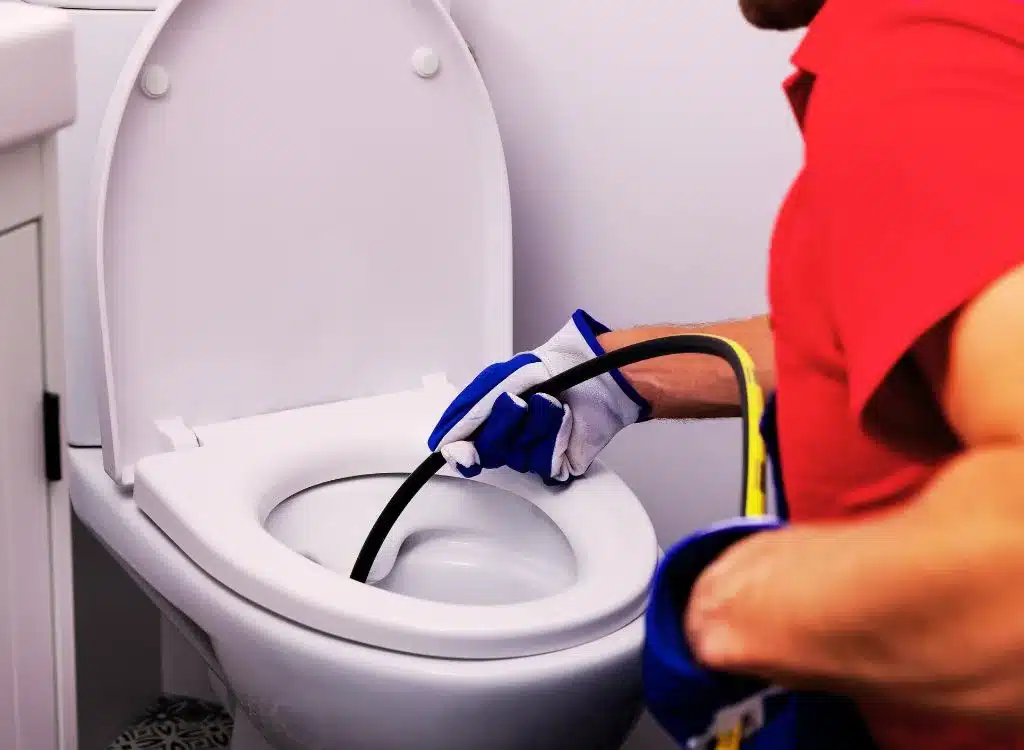
An occasional clog is normal, but repeated clogs are not. If your toilet frequently backs up despite proper use or continues clogging after plunging, the issue may involve a partially blocked drain line, mineral buildup from hard water, or a developing sewer line restriction.
Rather than treating the symptom repeatedly, a professional plumber can determine whether the blockage is inside the toilet or deeper within the plumbing system and recommend the appropriate repair.
3. The Toilet Continues Running After a DIY Repair
Replacing a flapper or adjusting the float often fixes a running toilet. However, if the toilet continues running after you’ve attempted a repair, the problem may involve the fill valve, flush valve, water level adjustment, or another internal component.
At A Clear Choice Plumbing & Heating, we often find that homeowners replace several inexpensive parts before discovering the actual issue lies elsewhere. A professional diagnosis helps identify the root cause and prevents unnecessary repairs.
4. The Toilet Rocks or Feels Loose
A toilet should remain firmly secured to the floor. If it shifts or rocks when used, the mounting bolts may have loosened, the wax ring may have failed, or the closet flange may be damaged.
Ignoring a loose toilet can break the watertight seal beneath the fixture, allowing hidden leaks to damage the flooring underneath. Prompt repairs help protect both the plumbing system and the surrounding structure.
5. Cracks Appear in the Tank or Bowl
Even a small crack in the porcelain should never be ignored. Over time, daily use and water pressure can cause the crack to expand, increasing the risk of leaks or sudden fixture failure.
A professional plumber can determine whether the toilet can be safely repaired or if replacement is the better long-term solution.
6. Multiple Plumbing Fixtures Are Draining Slowly
If your toilet, sinks, showers, or bathtubs all begin draining slowly, the problem likely extends beyond a single fixture. This often indicates a blockage in the home’s main drain or sewer line.
Professional plumbers use specialized equipment and proven diagnostic techniques to locate the obstruction and restore proper drainage before a complete backup occurs.
7. DIY Repairs Only Provide a Temporary Fix
If you’ve repaired the same toilet more than once and the problem keeps returning, it’s time to stop replacing parts and identify the underlying cause. Recurring leaks, repeated clogs, or ongoing running water often point to issues that aren’t visible during a basic DIY repair.
Professional troubleshooting helps resolve the source of the problem rather than providing another temporary solution.
What Happens During a Professional Toilet Inspection?
A professional toilet inspection involves more than replacing worn parts. An experienced plumber evaluates the entire fixture and the connected plumbing system to determine why the problem occurred in the first place.
During the inspection, the plumber may:
- Inspect the fill valve, flush valve, flapper, and other internal tank components.
- Check the wax ring, closet flange, and toilet mounting hardware.
- Examine the water supply line and shutoff valve for leaks or wear.
- Test the toilet’s flushing performance and drainage.
- Evaluate nearby plumbing fixtures for signs of shared drain or sewer line issues.
- Recommend whether a repair or replacement is the most reliable and cost-effective long-term solution.
For many homeowners in Littleton, especially those living in older homes with aging plumbing systems and hard water, a professional inspection can identify hidden problems before they develop into expensive plumbing emergencies.
What Are the Hidden Risks of DIY Toilet Repairs?
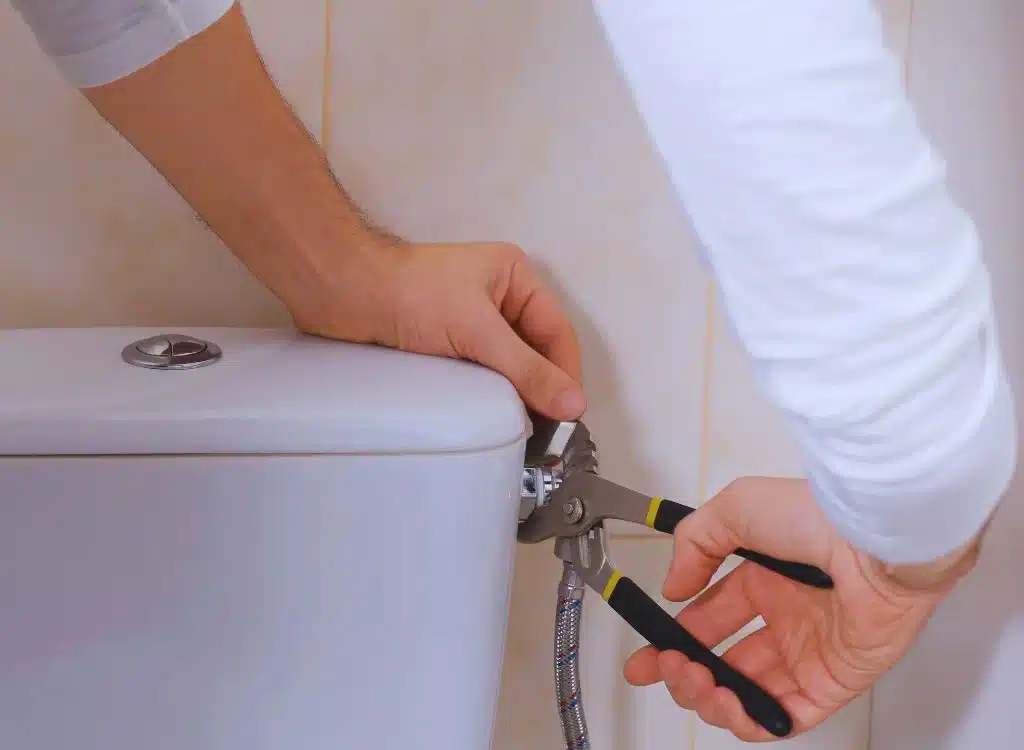
DIY toilet repairs can save money when the problem is minor. However, replacing parts without identifying the root cause can turn a simple repair into a much larger plumbing issue. In many cases, the visible symptom isn’t the actual problem. For example, a running toilet may be caused by a faulty fill valve rather than the flapper, while recurring clogs often point to a partially blocked drain line instead of the toilet itself.
Some of the most common risks of DIY toilet repairs include:
- Hidden water leaks from a failed wax ring, damaged closet flange, or loose connection that can damage subfloors and encourage mold growth.
- Incorrect installation of replacement parts, leading to persistent leaks, poor flushing performance, or cracked porcelain fixtures.
- Misdiagnosing the problem, resulting in repeated repairs while the underlying plumbing issue continues to worsen.
- Overlooking larger plumbing concerns, such as developing drain or sewer line blockages that require professional attention.
At A Clear Choice Plumbing & Heating, we often meet homeowners who have already replaced multiple inexpensive parts before discovering the real issue was a deteriorated wax ring, mineral buildup inside the fill valve, or a partial drain line obstruction. Identifying the root cause first not only saves money but also prevents unnecessary frustration and repeat repairs.
Why Does Professional Toilet Repair Offer Better Long-Term Value?
Professional toilet repair is about more than replacing worn components. It focuses on finding why the problem occurred, correcting it properly, and helping prevent the same issue from returning.
Rather than relying on trial and error, an experienced plumber systematically evaluates both the toilet and the connected plumbing system. This includes inspecting the fill valve, flush valve, flapper, wax ring, closet flange, shutoff valve, water supply line, and nearby drain connections to ensure no hidden problems are overlooked.
For homeowners in Littleton, this thorough approach is especially valuable. Many older homes have aging plumbing systems, and Colorado’s hard water gradually causes mineral buildup that reduces the performance of internal toilet components over time. A professional inspection helps determine whether the issue is isolated to the toilet or part of a larger plumbing concern.
Choosing professional toilet repair helps homeowners:
- Identify and repair the root cause instead of treating the symptom.
- Prevent hidden water damage before it affects floors and surrounding structures.
- Reduce recurring leaks, clogs, and running toilets.
- Improve flushing performance and water efficiency.
- Extend the lifespan of the toilet and connected plumbing system.
- Avoid unnecessary replacement of parts that are still functioning properly.
What starts as a minor toilet problem can eventually lead to higher water bills, hidden property damage, or repeated repair attempts if the underlying cause isn’t addressed. A professional repair provides lasting peace of mind by resolving the problem correctly the first time and protecting your home’s plumbing system for the future.
How Does Colorado’s Hard Water Affect Toilet Performance?
Hard water is one of the most common factors affecting toilet performance in Littleton homes. Colorado’s water naturally contains minerals such as calcium and magnesium. While these minerals are safe for household use, they gradually accumulate inside toilet components and plumbing fixtures over time.
As mineral deposits build up, they can restrict water flow, interfere with moving parts, and reduce the efficiency of your toilet. Components such as the fill valve, flush valve, toilet rim jets, water supply line, and other internal tank parts are especially vulnerable to buildup, causing them to wear out faster than expected.
Many homeowners mistake these issues for normal wear and tear. However, hard water buildup often contributes to recurring toilet problems long before a fixture reaches the end of its lifespan. At A Clear Choice Plumbing & Heating, we frequently find mineral deposits affecting toilet performance, particularly in older Littleton homes where years of hard water exposure have gradually reduced the efficiency of plumbing components.
What Signs Indicate Hard Water Is Affecting Your Toilet?
Hard water problems usually develop gradually, making them easy to overlook. Some of the most common warning signs include:
- Weak or incomplete flushing.
- A toilet that continues running after flushing.
- Slow tank refilling.
- White or chalky mineral deposits around the toilet rim or inside the tank.
- Toilet components that require frequent repairs or replacement.
Recognizing these symptoms early allows homeowners to address mineral buildup before it leads to more extensive plumbing repairs.
How Can You Reduce the Impact of Hard Water?
Although hard water cannot be completely eliminated, routine maintenance can help reduce its effects and extend the life of your toilet.
Homeowners can help protect their plumbing system by:
- Cleaning mineral deposits from the toilet bowl, rim jets, and accessible tank components during regular maintenance.
- Repairing running toilets promptly to reduce unnecessary wear on internal parts.
- Inspecting the toilet periodically for slow refilling, weak flushing, or visible mineral buildup.
- Scheduling professional plumbing inspections, especially for older homes or recurring toilet problems.
- Contacting a plumber if replacing common parts does not resolve the issue, as hidden mineral buildup or plumbing problems may require a more thorough inspection.
By addressing hard water buildup early, homeowners can improve flushing performance, reduce unnecessary repairs, extend the lifespan of their toilet, and keep their plumbing system operating efficiently for years to come.
Why Do Littleton Homeowners Trust Professional Plumbing Expertise?
Every home’s plumbing system has its own history. In Littleton, many established neighborhoods feature older homes with aging plumbing, while newer properties often contain different pipe materials and modern plumbing fixtures. Combined with Colorado’s hard water, these factors mean that the same toilet problem can have very different underlying causes from one home to the next.
Experienced plumbers understand these local conditions and know that fixing the visible symptom isn’t always enough. A running toilet, recurring clog, or leak around the base may be caused by worn internal components, mineral buildup, a deteriorated wax ring, or a developing drain line issue. Identifying the root cause is essential for a reliable, long-lasting repair.
At A Clear Choice Plumbing & Heating, we take the time to evaluate both the toilet and the connected plumbing system before recommending a solution. This thorough approach helps homeowners avoid unnecessary repairs, protects their plumbing investment, and reduces the likelihood of the same problem returning.
For Littleton homeowners, professional expertise provides more than a repaired toilet and it delivers confidence that the problem has been diagnosed accurately and resolved correctly the first time.
Don’t Let a Small Toilet Problem Turn Into a Bigger Plumbing Issue
A toilet that leaks, runs continuously, or clogs repeatedly is often a sign of an underlying plumbing problem rather than normal wear and tear. Addressing the issue early can help prevent higher water bills, hidden water damage, unnecessary part replacements, and more extensive repairs in the future.
If you’ve tried basic troubleshooting without success, or the same problem keeps returning, a professional inspection can identify the root cause and provide a lasting solution. At A Clear Choice Plumbing & Heating, we deliver reliable toilet repair in Littleton by carefully diagnosing the problem and recommending repairs that fit your home’s plumbing system.
Call A Clear Choice Plumbing & Heating at +1 7209381554 to schedule professional toilet repair in Littleton and resolve the problem before it leads to more costly plumbing repairs.
Frequently Asked Questions
1. How can I tell if my toilet problem is suitable for a DIY repair?
Simple repairs such as replacing a flapper, tightening a toilet seat, adjusting the float, or clearing a minor clog are often suitable for DIY. However, recurring leaks, frequent clogs, cracks, or water around the toilet base usually indicate a problem that should be inspected by a professional plumber.
2. Why does my toilet keep running after I replace the flapper?
If replacing the flapper doesn’t stop the running water, the issue may involve the fill valve, flush valve, float assembly, or mineral buildup from hard water. A professional inspection can identify the exact cause and prevent unnecessary part replacements.
3. Why does my toilet keep clogging even after plunging?
A plunger may remove a temporary blockage, but repeated clogs often point to a partially blocked drain, venting issue, mineral buildup, or an aging toilet. If the problem keeps returning, the plumbing system should be evaluated to find the underlying cause.
4. Can hard water cause toilet repairs?
Yes. Colorado’s hard water can leave mineral deposits inside the toilet tank and flushing components. Over time, this buildup reduces flushing efficiency, wears out internal parts, and increases the likelihood of repairs if left untreated.
5. Can a running toilet increase my water bill?
Yes. A continuously running toilet can waste a significant amount of water every day, increasing your utility bill and placing unnecessary wear on internal components. Prompt repairs help conserve water and prevent more costly plumbing issues.
6. Is a leaking toilet an emergency?
Not every leaking toilet is an emergency, but it should never be ignored. Even a slow leak can damage flooring, subfloors, and surrounding materials over time. Addressing the problem early helps prevent more extensive repairs.
7. When should I replace my toilet instead of repairing it?
Most toilet problems can be repaired. Replacement is usually recommended when the toilet has major cracks, recurring failures, significant water damage, or has reached the end of its service life. A plumber can help determine the most practical option.
8. How long does a professional toilet repair usually take?
Many common toilet repairs can be completed within one to two hours. More complex problems involving hidden leaks, damaged flanges, or drain line issues may require additional time depending on the repair needed.
9. How often should toilets be professionally inspected?
Most homes benefit from a plumbing inspection every one to two years. Older homes, hard water conditions, or recurring toilet problems may warrant more frequent inspections to identify issues before they become costly repairs.
10. What should I do if my DIY toilet repair doesn’t solve the problem?
If the same problem returns after a repair, avoid repeatedly replacing parts without identifying the cause. A professional inspection can determine whether the issue involves the toilet itself or another part of your home’s plumbing system.