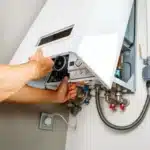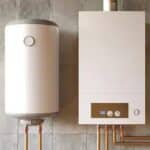
A tankless water heater that worked fine all summer can start acting up the first time Lakewood gets a real cold snap. You turn on the shower, the unit clicks or flashes an error code, and the water never gets hot. Or it fires for a minute and shuts off. Winter puts extra demands on a tankless unit’s venting, gas supply and freeze protection, and that is where most cold-weather failures start. This guide covers what to check, what is safe to handle yourself, and when it is time to call for tankless water heater repair in Lakewood.
Why Winter Is Hard on Tankless Water Heaters
A tankless unit heats water as it flows through instead of storing it in a tank. In winter, three things work against it at once:
- Colder incoming water. Tankless units are rated by how many degrees they can raise the water temperature at a given flow rate. The U.S. Department of Energy notes that cooler incoming water can reduce the temperature at the faucet farthest from the heater.
- More demand on the gas supply. On a cold morning, your furnace or boiler is running hard at the same time someone wants a hot shower.
- Freezing temperatures around the unit. Vents, condensate lines and any water lines in cold spaces are all exposed.
Venting Problems: Snow, Ice and Frost
Condensing gas tankless units are typically vented through a sidewall rather than through the roof. According to the Department of Energy’s Building America Solution Center, the intake should be far enough from the exhaust vent to prevent frost from building up on the cold air intake pipe.
The unit needs clear vent terminals to run properly. Snow drifts, ice and frost can block them, and your owner’s manual lists the error codes to watch for.
What you can do:
- After a snowfall, check that the intake and exhaust terminals outside are clear of snow and ice.
- Never cover or block the vents to keep cold air out.
- If frost keeps building up on the intake, have the vent layout checked.
Blocked venting is a safety issue, not just a hot water issue. The CDC advises keeping vents and flues free of debris and having gas appliances serviced by a qualified technician every year. Keep a working carbon monoxide detector in the home, and if it sounds, get everyone outside and call 911.
Freeze Protection, Condensate Lines and Power Outages
Condensate lines that freeze
Condensing tankless units produce water that has to drain away through a condensate line. The Building America Solution Center notes these units require a condensate drain line and that in cold climates, condensate lines should be directed to an indoor drain.
If your unit’s condensate line runs outside or through an unheated space, have it checked before the coldest nights arrive.
Freeze protection and power outages
Check whether your unit has built-in freeze protection and how it works. If it relies on electricity, it cannot work during a power outage. Your owner’s manual explains what the protection covers and how to drain the unit if the power goes out during a freeze.
For units installed outdoors, the Building America Solution Center notes that the plumbing lines leading to and from the heater also need freeze protection, such as heat trace. A water line that freezes on its way to the unit can stop it from working even if the heater itself is fine. If a line or the heat exchanger has frozen and split, shut off the water to the unit and call for repair before turning it back on.
Two more cold-weather causes
- Minimum flow rate. A tankless unit only fires when enough water is flowing. The Building America Solution Center notes that minimum flow rates are listed in the manufacturer’s literature. A barely open faucet may not be enough to start the burner.
- Scale. In areas with hard water, scale can build up in the heat exchanger and reduce capacity, which makes winter shortfalls worse.
Gas Supply: When the Unit Is Starved
A gas tankless water heater needs a lot of gas while it is firing. The Building America Solution Center notes that most tankless gas water heaters require a minimum three-quarter-inch gas line, and code may require it.
In winter, the water heater shares the gas supply with a furnace or boiler that is running hard. If the gas line is too small for everything connected to it, the problem tends to show up when several appliances run at once.
The fix is usually upsizing part of the gas line so every appliance gets what it needs. That work must be done by a licensed professional, under permit. Our gas line services include assessing the whole gas system and upsizing the sections that need it.
If you ever smell gas near the water heater, leave the house right away. Once you are outside, call Xcel Energy’s gas emergency line at 800-895-2999 or 911.
When to Call for Tankless Water Heater Repair in Lakewood
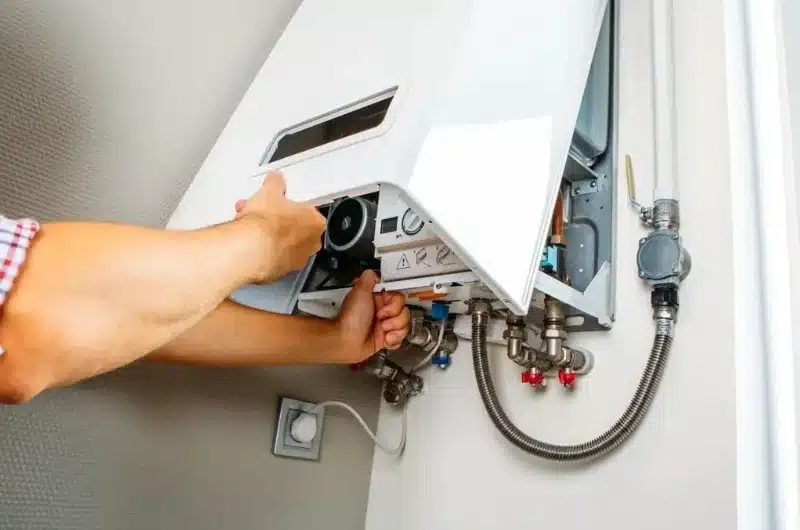
It is time to call a professional if:
- The same error code keeps coming back after a reset
- The unit fires and then shuts off repeatedly
- You see frost or ice building on the vent terminals more than once
- Water leaks from the unit or its connections
- Hot water fails only when the furnace or boiler is running
- The unit has never been descaled or serviced
We inspect the unit, venting, condensate line and gas supply, explain what we found, and give you a clear, upfront price before any work begins. Learn more about our tankless water heater service.
Frequently Asked Questions
Why does my tankless water heater work in summer but not in winter?
Colder incoming water, extra demand on the gas supply, and freezing conditions around the vents and condensate line all show up in winter. Any one of them can stop the unit from firing.
Can I clear snow from my tankless water heater vent myself?
Yes, as long as you can reach the vent terminals safely from the ground. Clear snow and ice gently by hand. If frost keeps coming back, have the vent layout checked.
What happens to a tankless water heater during a power outage in winter?
If its freeze protection depends on electricity, that protection stops working. Check your owner’s manual for how to drain the unit, and call for help if you think it froze.
Do I need a bigger gas line for a tankless water heater?
Often, yes. Most gas tankless units need at least a three-quarter-inch gas line, and the existing line in many homes is smaller. We check the whole gas system before recommending changes.
How often should a tankless water heater be serviced?
Follow the manufacturer’s maintenance schedule. Have gas appliances checked once a year, ideally before the heating season.
Get Your Hot Water Back
If your tankless water heater is not firing this winter, call A Clear Choice Plumbing & Heating at (720) 938-1554. Our licensed plumbers, based in Englewood, provide tankless water heater repair across Lakewood and the Denver metro. You can also request a quote online.