Englewood’s older neighborhoods are a big part of why buyers want to live here: mature trees, established streets and well-built homes close to everything. The same age that gives those homes their character also means the pipes inside them have been working for decades. A general home inspection will tell you whether the faucets run and the drains drain, but it usually does not put a camera down the sewer line or trace what the water service is made of. That is where dedicated plumbing inspections in Englewood earn their keep, and the time to schedule one is during your inspection period, while you can still negotiate.
Why Older Englewood Homes Need a Closer Look
A large share of Englewood’s housing was built before 1980, and plumbing from that era was installed with materials that are no longer standard. Over the years, many of these homes have been partly updated, which often leaves a patchwork of old and new piping that only becomes clear once someone looks closely.
The city is also working through its oldest water lines. Englewood Utilities notes that lead service lines were not installed after 1960, and its Lead Reduction Program is replacing confirmed lead and galvanized steel service lines, with all pre-1960 properties scheduled to be inspected by the end of 2026. If you are buying a home built before 1960, the status of that line should be one of your first questions.
What Plumbing Inspections in Englewood Should Cover
A thorough pre-purchase plumbing inspection looks at the full system, from where water enters the home to where waste leaves it.
The water service line and main shutoff
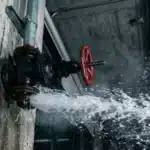
The inspection should identify what the incoming water line is made of where it enters the house and confirm that the main shutoff valve works. In Englewood, the city owns the line from the main to the curb stop, and the property owner owns the line from the curb stop to the home. A failed or aging service line on your side becomes your project once you close.
Supply piping inside the house
Galvanized steel pipe can corrode over time, which can narrow the pipe and lead to low water pressure, discolored water and leaks. Englewood’s own program replaces galvanized steel service lines along with lead ones. Copper and PEX are what you hope to see. A mix of several materials joined together tells you the house has been repaired in pieces, and those transitions are worth checking closely. If the home needs new supply lines, it helps to know how long a whole-home repipe takes before you factor it into your offer.
The sewer line, with a camera
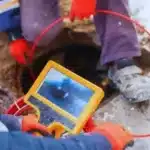
This is where the most expensive surprises hide. Over decades, tree roots, shifting soil and age can lead to cracks, separated joints, sags that hold waste, or partial collapse. None of that is visible from inside the house. A camera inspection shows the actual condition of the line from the cleanout out toward the street. Before closing, ask Englewood Utilities which sections of the sewer line the homeowner is responsible for.
Water heater and boiler
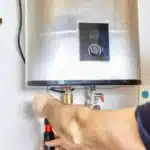
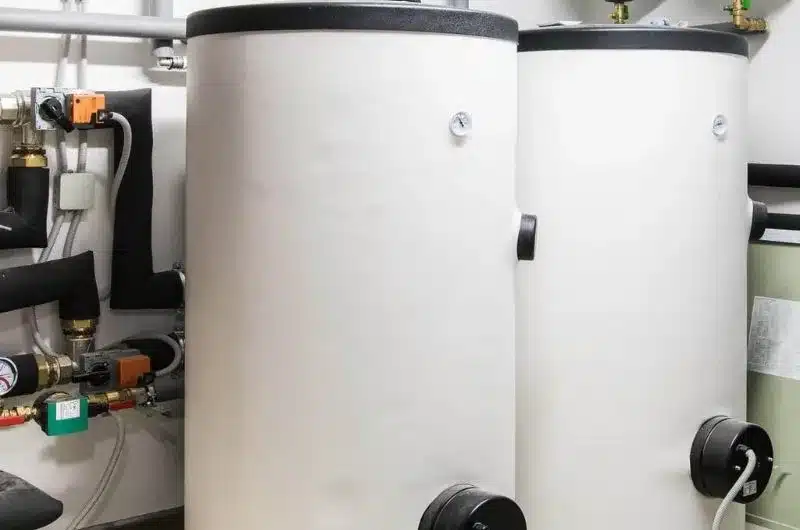
The inspection should note the age of the water heater, the condition of the venting, the temperature and pressure relief valve and its discharge pipe, and any signs of leaks or corrosion. Many older Englewood homes also still heat with hydronic boilers, and those systems deserve a look from someone familiar with boiler service, since parts for older units can be harder to find.
Gas piping
Pre-1980 homes in Englewood commonly have black iron gas piping, which can develop corrosion, loose fittings and joint problems with age. Gas connections at the water heater, furnace or boiler, range and dryer should be checked, along with the shutoff valves. We offer a full gas system safety inspection with a written report through our gas line services, which is useful if the home has older piping or gas appliances that were added over time.
Fixtures, drains and signs of past problems
Slow drains, water stains on ceilings below bathrooms, soft flooring around toilets, and corroded shutoff valves under sinks all point to problems that are cheaper to know about now. Inspectors also look for work that does not appear to have been done to code. Our article on how plumbing inspections can uncover unpermitted work covers that in more detail.
Questions to Ask the Seller
Your inspection is stronger when it is paired with good questions. Ask the seller, through your agent if needed:
- How old are the water heater and boiler, and have they been serviced?
- Has the home ever had a sewer backup, and has the sewer line been repaired or replaced?
- Has any of the home been repiped, and was it permitted?
- Has the city confirmed the service line material, or replaced it?
- Have there been any leaks, frozen pipes or water damage claims?
How to Use the Findings
Not every finding carries the same weight. It helps to sort what the inspection turns up into three groups:
- Safety issues, such as gas leaks or improper venting, which need to be dealt with before anyone moves in.
- Active failures, such as a collapsed or badly offset sewer line, which can be expensive and should factor directly into your negotiation.
- Aging components, such as a water heater near the end of its life, which are good to plan and budget for even if they are not urgent.
Having the findings in hand before your inspection deadline gives you options. Your real estate agent can advise you on whether to ask for repairs, a credit or a price adjustment.
Scheduling a Plumbing Inspection During a Purchase
Inspection periods are short, so book the plumbing inspection as soon as your contract is signed. Ask for a sewer camera inspection to be part of it, and get the findings in writing so you and your agent can review them before the deadline. Learn more about our plumbing services and our work across Englewood.
Frequently Asked Questions
Isn’t a general home inspection enough?
A general home inspection is a good overview, but it is mostly visual. It usually does not include a sewer camera inspection, identify the service line material, or look closely at gas piping. In an older home, those are the areas where the biggest repair bills come from.
How do I find out if a home has a lead service line in Englewood?
Look up the address on the city’s online service line inventory map, or contact Englewood Utilities at 303-762-2635 or lead@englewoodco.gov. A status of “unknown” means the material has not been physically verified yet.
Who pays to replace a lead or galvanized service line in Englewood?
According to the city, Englewood pays to replace confirmed lead or galvanized steel service lines from the main to the first connection inside the property, as long as funds are available. The homeowner is responsible for basic restoration such as drywall, flooring and special landscaping.
Do I really need a sewer camera inspection?
For an older home, yes. Sewer line problems are invisible from inside the house, can be among the most expensive plumbing repairs, and are much easier to negotiate before closing than to discover after.
Can a plumbing inspection find unpermitted work?
Often, yes. Mismatched materials, improper connections and fixtures added without proper venting or drainage are all signs an experienced plumber will notice.
Questions About an Older Englewood Home?
Call A Clear Choice Plumbing & Heating at (720) 938-1554. We are a licensed and insured local team based right here in Englewood, and we offer plumbing inspections along with repairs, maintenance and gas line work. You can also request a quote online.