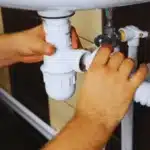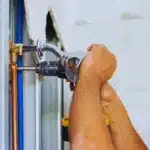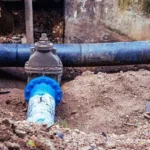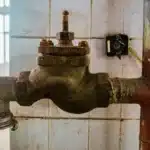
Imagine buying a beautifully remodeled Englewood home with a modern kitchen, a finished basement, and updated bathrooms. Everything appears professionally completed until a slow drain, unstable water pressure, or leaking connection raises questions about the work behind the walls. You check the property documents but find no record of plumbing permits for the renovations.
Now you need to know whether the system is safe, whether the city approved the alterations, and what the problem could cost to correct. This situation can affect buyers, sellers, landlords, and longtime homeowners. Professional plumbing inspections in Englewood can identify warning signs of undocumented or improperly completed work before a small concern becomes a costly surprise. A plumber can uncover evidence of questionable plumbing, but only official permit records can confirm whether the city approved the work.
What Counts as Unpermitted Plumbing Work?
Unpermitted plumbing refers to work completed without a required permit or without the necessary municipal inspections and final approval. It may involve a previous homeowner, an unlicensed installer, or even a contractor who failed to complete the correct process.
The City of Englewood requires permits for most construction projects. However, the city lists certain direct replacements, including toilets, sinks, and faucets, among the work that may not require a permit. More extensive changes usually require homeowners or contractors to consult the Building Division before beginning work.
Potential examples of work that may require approval include:
- Installing or relocating supply, waste, or vent lines
- Adding plumbing to a basement bathroom
- Moving a kitchen sink during remodeling
- Changing a tub into a walk-in shower
- Installing new gas piping for an appliance
- Replacing significant sections of a plumbing system
- Adding fixtures that change the existing layout
- Modifying underground water or sewer piping
Permit requirements depend on the project’s scope. Homeowners should therefore avoid assuming that every old repair violated the rules. The City of Englewood Building Division can clarify whether a particular project required a permit.
How Can Plumbing Inspections Identify Questionable Work?
A licensed plumber cannot see every concealed alteration during a visual inspection. However, experienced plumbers understand how properly designed systems should function and recognize clues that suggest amateur, outdated, or noncompliant work.
A whole-home inspection may reveal the following warning signs.
1. Incompatible Pipe Materials
Older Englewood properties may contain galvanized steel, copper, cast iron, or other materials installed during different periods. Renovators sometimes connect incompatible materials without appropriate transition fittings. Those connections may corrode, leak, or restrict flow.
A plumber can identify visible mismatched materials and assess whether the installer used suitable connectors.
2. Incorrect Drain or Vent Configurations
Every plumbing fixture needs effective drainage and proper venting. Poorly designed alterations may cause gurgling sounds, recurring clogs, sewer odors, or slow drains.
A finished basement bathroom can appear attractive while hiding an incorrectly sloped drain or inadequate vent connection. An inspection helps connect these symptoms with their possible source.
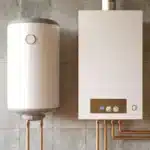
3. Unsafe Water Heater Installation
Water heater work requires careful attention to pressure relief, venting, combustion air, drainage, expansion control, and gas or electrical connections. Missing safety components or improper venting may indicate that someone installed or modified the unit without adequate professional oversight.
Because these problems can create water damage, fire, combustion, or carbon monoxide risks, homeowners should address them promptly.
4. Missing or Inaccessible Shutoff Valves
A modified system may lack functional fixture shutoffs or place them where homeowners cannot easily reach them. Corroded, seized, or incorrectly installed valves can prevent a homeowner from controlling water during an emergency.
A plumbing system evaluation should test the main shutoff and accessible fixture valves wherever appropriate.
5. Unsupported or Improperly Routed Pipes
Loose pipes, unusual routing, inadequate supports, and makeshift connections can suggest poor workmanship. These conditions may create noise, movement, stress at fittings, or premature leakage.
Not every unusual configuration proves that the work lacked a permit, but it gives the inspector a reason to investigate further.
6. Concealed Work That Created Visible Symptoms
A plumber may not open finished walls during a standard inspection. Still, moisture stains, warped flooring, soft drywall, mold-like growth, inconsistent pressure, or unexplained meter movement can reveal problems associated with concealed plumbing.
The inspector may recommend leak detection, camera work, pressure testing, or limited access when the evidence justifies further evaluation.
Can a Plumber Confirm That Plumbing Work Was Unpermitted?
A plumber in Englewood can assess workmanship, identify safety concerns, document visible conditions, and explain whether the installation appears consistent with accepted plumbing practices. The plumber cannot determine permit status from appearance alone.
Official confirmation requires a review of municipal records. Englewood provides an online system that allows users to search permits, reports, inspections, and property information. The city also keeps building permit records and offers assistance through its Building and Codes Division.
Homeowners can follow this process:
- Collect the property address and details about the suspected renovation.
- Search Englewood’s online permit portal for relevant records.
- Compare permit dates and descriptions with the known work.
- Check whether required inspections received approval.
- Contact the Building Division when records appear incomplete or unclear.
- Ask a licensed plumber to compare the documented scope with the plumbing currently present.
The absence of an easily located record does not automatically prove that someone violated permit requirements. Older records may need additional research, and minor direct replacements may have qualified for an exemption.
Why Do Inspection Requirements Matter?
Englewood’s Building and Codes Division works to ensure that construction meets adopted safety standards. The city currently identifies the 2024 International Plumbing Code among its adopted codes and publishes local amendments for applicable projects.
The city also requires inspectors to review plumbing at specific construction stages. Rough plumbing must remain visible before insulation, drywall, or other materials conceal it. During a final plumbing inspection, fixtures must be installed and operational. These steps allow a municipal inspector to assess critical components that a private plumber may not see after construction ends.
This distinction matters when evaluating a remodeled home. A private inspection provides valuable information about the system’s present condition, but it cannot recreate every municipal inspection that should have occurred while walls and floors remained open.
What Should You Do If an Inspection Finds Suspicious Plumbing?
Finding questionable work does not always require immediate demolition. The appropriate response depends on the problem’s severity, accessibility, safety implications, and permit history.
Consider these next steps:
- Request written documentation. Ask the plumber to describe findings, include photographs, and classify issues by urgency.
- Verify the permit history. Contact the City of Englewood instead of relying on assumptions or informal statements from a seller.
- Address active hazards first. Prioritize leaking pipes, unsafe water heater venting, gas-line concerns, sewage exposure, and failed shutoff valves.
- Ask about corrective options. A licensed plumber may recommend repairs, further testing, or replacement of noncompliant components.
- Consult the city before opening walls. Englewood officials can explain the process for permits, inspections, and any required corrective work.
- Keep all records. Save reports, photographs, permits, invoices, and final approvals for future insurance questions or real estate transactions.
Buyers should raise concerns before closing whenever possible. Sellers may benefit from resolving questionable plumbing before a buyer’s inspection turns it into a last-minute negotiating issue.
Frequently Asked Questions
Do all plumbing replacements in Englewood require a permit?
No. Englewood identifies certain direct replacements, such as toilets, sinks, and faucets, as work that may not require a permit. Relocations, new piping, major system modifications, and other substantial projects may require approval. Confirm the specific project with the city.
Can a standard home inspector identify unpermitted plumbing?
A general inspector may notice visible defects or recommend further evaluation. A licensed plumber can provide a more focused assessment of pipe materials, drainage, venting, water pressure, fixtures, shutoffs, and water-heater components.
Does old plumbing automatically violate the current code?
No. Codes change over time, and an older installation may have complied when contractors completed it. A plumber and the Englewood Building Division can help distinguish an aging system from unsafe or improperly altered work.
Should I arrange a sewer camera inspection for an older Englewood home?
A sewer camera inspection may prove valuable for older properties, homes near mature trees, or houses with repeated drain problems. It can reveal root intrusion, cracks, offsets, blockages, and deteriorated underground piping.
Will a plumbing inspection include a written report?
A Clear Choice Plumbing and Heating provides documented inspections with findings, photographs, condition priorities, and recommended actions. Homeowners should confirm the precise scope and any optional services when scheduling.
Do Not Let Undocumented Plumbing Become an Emergency
Questionable plumbing can remain hidden until a leak, backup, failed water heater, or stalled home sale brings it to your attention. If you recently purchased a remodeled property, plan to list an older home, or cannot verify previous renovation records, schedule an inspection before the problem grows.
A Clear Choice Plumbing and Heating provides detailed plumbing inspections in Englewood to help homeowners understand visible system conditions and decide what to do next. Call 7209381554 now to arrange an inspection and address potential safety, permit, or performance concerns before they create greater damage or delay an important transaction.