If your shower turns lukewarm sooner in January than it did in July, you are not imagining it. Most water heaters do give you less usable hot water in winter, and part of the reason is simple physics. The other part is that cold weather tends to expose problems that were already building inside the tank. Knowing which one you are dealing with is the difference between a small adjustment and a call for water heater repair in Highlands Ranch.
The Short Answer: Colder Water Coming In
A water heater does not create hot water from scratch. It takes in whatever water the supply line delivers and heats it up to the temperature you have set. In winter, that incoming water is colder, because it has traveled through colder ground and colder pipes to get to you.
That has two effects on a standard tank:
- The tank recovers more slowly. It takes more energy and more time to bring colder water up to temperature, so a tank that refilled quickly in summer lags behind in winter.
- You use more hot water per shower. When the cold water at the tap is colder, you turn the handle further toward hot to get the same comfortable temperature. That pulls more water from the tank each minute.
Together, that means a tank that kept up easily in August can run short when two people shower back to back in December.
Tankless units feel the same effect in a different way. They are rated by how many degrees they can raise the water temperature at a given flow rate. According to the U.S. Department of Energy, colder incoming water means the unit has more work to do, and that can lower the temperature at the faucet farthest from the heater.
When It’s More Than Winter: Signs You Need Water Heater Repair in Highlands Ranch
Some seasonal drop is normal. A sudden or dramatic change is not. These are the problems we find most often.
Sediment buildup in the tank
Minerals in the water settle to the bottom of the tank over time. That layer takes up space that should hold hot water, and on a gas unit it sits between the burner and the water, so heat transfers poorly. A rumbling or popping sound while the burner runs is the classic sign.
A broken dip tube
The dip tube carries incoming cold water down to the bottom of the tank so the hot water at the top stays hot. When it cracks or breaks, cold water mixes in near the outlet and the hot water seems to run out almost immediately. Small bits of white plastic in faucet aerators or the showerhead screen are a common clue.
A failing heating element or burner
If a heating element fails on an electric unit, the tank may still make some hot water, but much less of it, and it runs out fast. On gas units, a dirty burner, a weak flame or a failing ignition component can produce the same symptom.
A thermostat that is off or failing
A thermostat that was bumped lower, or one that is no longer reading correctly, can leave the tank short of temperature even though everything else works.
A tank that is simply too small now
If your household has grown, the tank may have been the right size when it went in and is undersized today. The Department of Energy recommends choosing a heater whose first-hour rating, the number of gallons it can supply in an hour, at least matches your home’s busiest hour of use. Winter makes an undersized tank much more obvious.
How Age Plays Into It
Many homes in Highlands Ranch date from the 1980s through the 2000s, so plenty of them are on their second or third water heater, and some of those are getting older too. You can usually find the manufacture date on the label or within the serial number on the side of the tank.
Age matters because the problems above tend to stack up. An older tank is more likely to have heavy sediment, worn components and corrosion. When a tank that is well along in years starts showing two or three of these signs at once, repair may still be possible, but it is worth asking whether the money is better put toward a replacement.
What You Can Safely Check Yourself
Before you call, a few quick checks can help narrow things down:
- Check the temperature setting. Make sure it has not been turned down. Follow the manufacturer’s guidance for the setting, and keep in mind that higher settings raise the risk of scalding.
- Listen to the tank. Rumbling or popping usually points to sediment.
- Look around the base. Water on the floor, rust stains, or a dripping discharge pipe from the temperature and pressure relief valve all need attention.
- Check the aerators. Bits of white plastic suggest a broken dip tube.
- On a gas unit, look for the pilot or ignition. If it keeps going out, do not keep relighting it. Leave it off and have it inspected.
If you ever smell gas near the water heater, leave the house right away without using light switches or appliances. Once you are outside, call Xcel Energy’s gas emergency line at 800-895-2999 or 911.
One more note on flushing. Draining the tank once a year, following the manufacturer’s instructions, helps control sediment. If yours has gone many years without a flush, though, the drain valve may not close cleanly afterward, and that is a good job to leave to a plumber.
Repair, Upgrade or Replace?
Many winter hot water complaints are straightforward repairs: flushing out sediment, replacing a dip tube, swapping a failed element or thermostat, or servicing a gas burner and ignition parts.
A tank that is leaking from the body itself cannot be repaired and needs to be replaced. If the tank is aging and the repairs are adding up, replacement is usually the better long-term value.
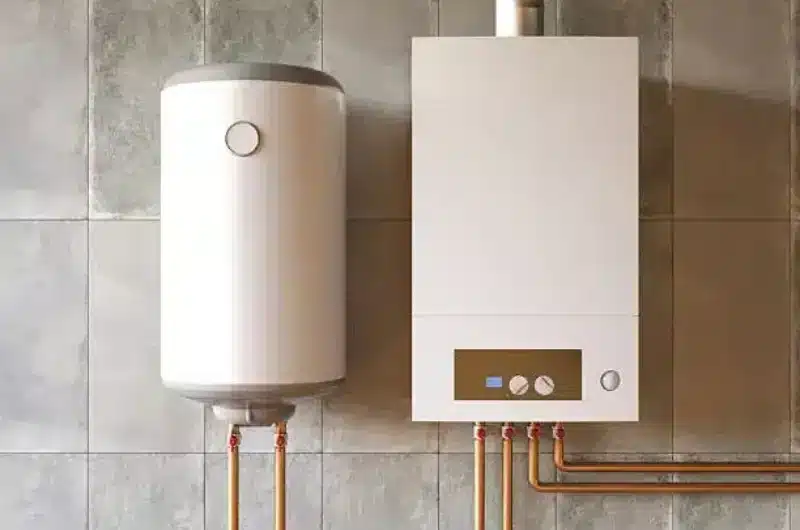
If your household has outgrown its tank, it may be time to look at a tankless water heater. Tankless units do not run out the way a tank does, though they still need to be sized for your flow and winter inlet temperatures. Gas tankless models often need a larger gas supply line than the home already has, so we check that as part of the plan with our gas line services.
Whatever the fix, we inspect the water heater first and give you a clear, upfront price before any work begins.
Frequently Asked Questions
Is it normal for my water heater to run out faster in winter?
Some drop is normal because the incoming water is colder. If the change is sudden, dramatic, or comes with noises, leaks or discolored water, something else is likely going on.
Should I turn up my water heater in winter?
Raising the setting can stretch your hot water a little, but it increases the risk of scalding. Check the manufacturer’s guidance first, and if the tank has a real problem, fix that rather than turning it up.
How can I tell if my dip tube is broken?
The most common signs are hot water that runs out almost right away and small pieces of white plastic collecting in faucet aerators or showerhead screens.
Can a tankless water heater run out of hot water?
It will not run out the way a tank does, but it can only heat so much water at once. In winter, colder incoming water reduces how much hot water it can deliver at a given temperature, so running several fixtures at once can make the water cooler.
How quickly can you come out for water heater repair in Highlands Ranch?
We offer same-day service whenever possible and prioritize urgent calls, such as a heater that has stopped working or is leaking.
Get Your Hot Water Back
If your showers are running cold this winter, call A Clear Choice Plumbing & Heating at (720) 938-1554. Our licensed plumbers, based in Englewood, provide water heater repair and replacement throughout Highlands Ranch and the south Denver metro. You can also request a quote online.