
4.9

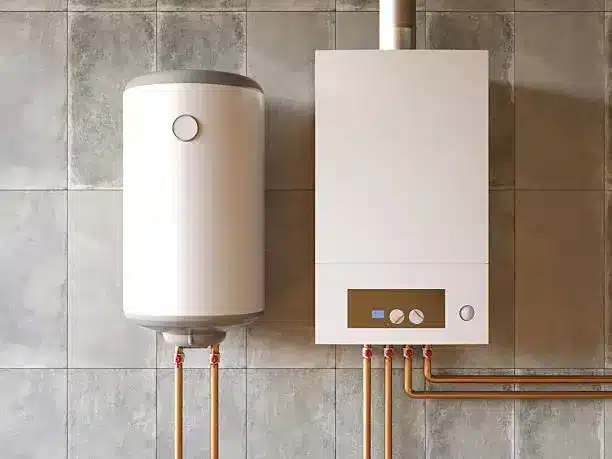
Many homes in Highlands Ranch are two-story houses with three or more bathrooms and a 40- or 50-gallon tank tucked into a basement utility room. As those original tanks wear out, a lot of owners use the replacement as the moment to go tankless. The switch pays off for most families, but only when the unit is chosen for the house: how many fixtures run at once, how cold the incoming water gets in winter and an elevation close to 6,000 feet all affect how large it needs to be.
A tankless install is more than trading one appliance for another. Most units need a larger gas supply than the old tank, new venting through a wall or roof, and a condensate drain on high-efficiency models. We plan all of it before we start, quote it as one price, pull the Douglas County permit and test the system under real demand before we leave. If hot water takes a long time to reach an upstairs primary bath, we’ll also talk through recirculation.


Find out what a tankless upgrade would involve in your home. The estimate is free, and the quote covers everything.
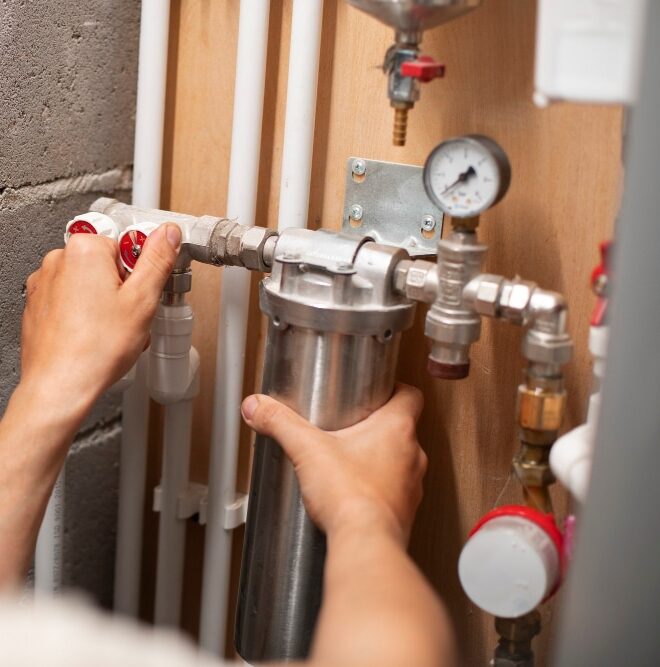
Before recommending a unit, we look at your current water heater, gas meter and supply line, venting options and the space in your mechanical room.
We install leading brands such as Navien and Rinnai and help you choose between condensing and non-condensing models based on your home and budget.
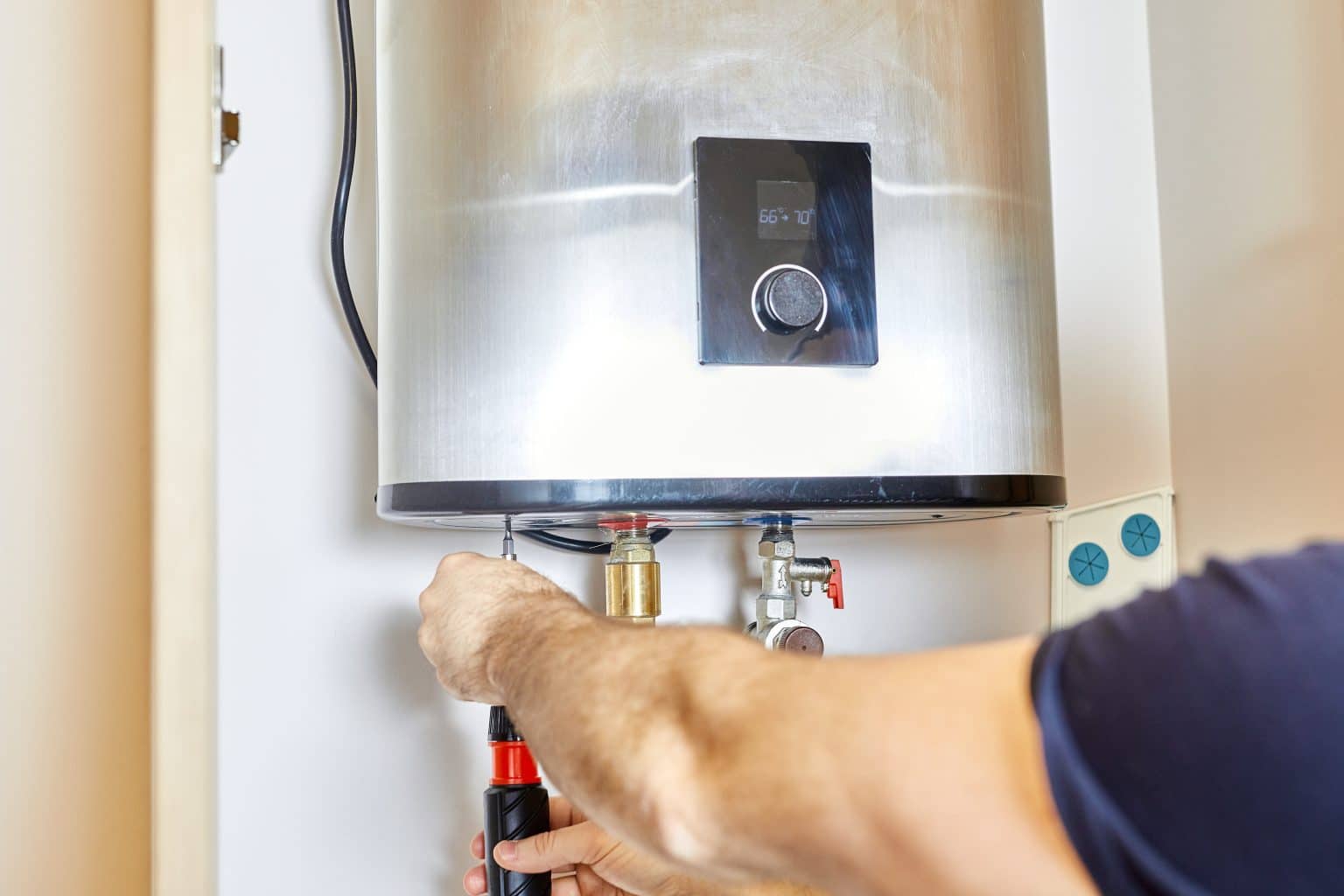
We drain, disconnect and remove the existing tank so the new unit starts with clean, safe connections.
Gas appliances have to be set up for high-elevation operation. We confirm the unit is configured for your elevation and check gas pressure under full load.
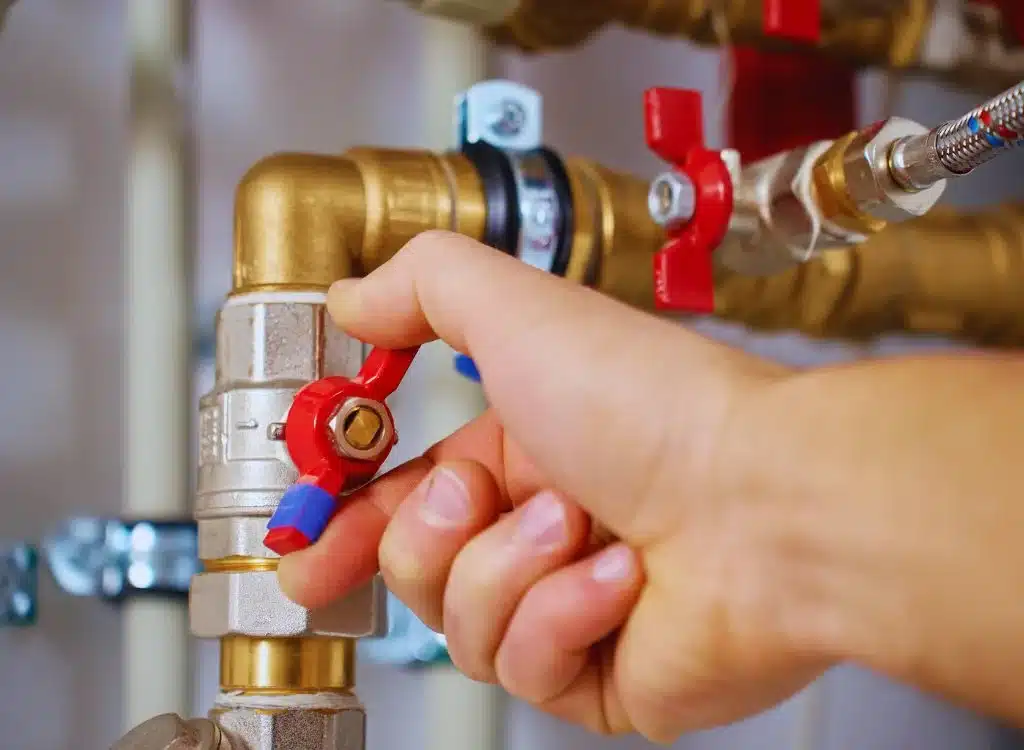
We add isolation valves so the unit can be flushed for mineral scale later without disconnecting any plumbing.
We handle the Douglas County permit and inspection, so the installation is properly documented.
Some high-efficiency models may qualify for Xcel Energy rebates or federal tax credits. We'll point you to current programs and give you the unit details your application needs.