
4.9

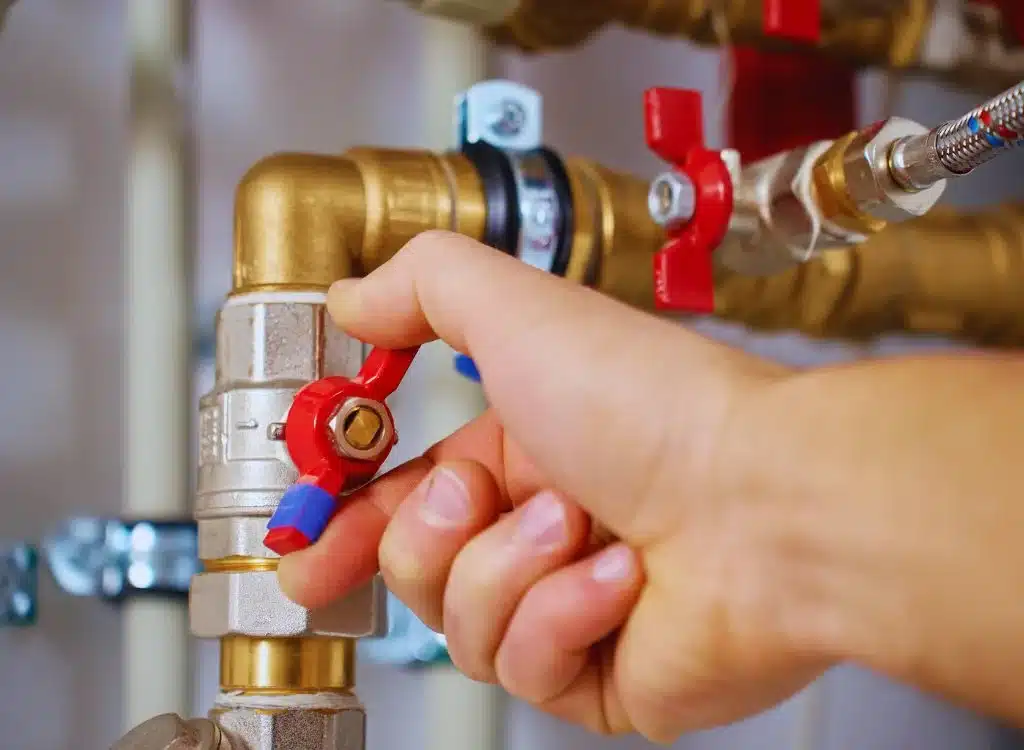
Most houses in Highlands Ranch were built in the 1980s, 1990s and 2000s, so many still rely on their original shutoff valves, pressure-reducing valve and sewer lateral. Those parts rarely fail all at once. They wear quietly until a valve won’t close or a slow leak appears as a stain on a basement ceiling. The area’s clay soils can also shift buried lines over time, and older neighborhoods with mature trees see more roots working their way into sewer pipes.
We look at your system the way a buyer, seller or long-time owner needs to see it. That means checking everything accessible, testing water pressure, running every fixture and, where it makes sense, sending a camera through the main sewer line. Afterward you get a written summary that separates urgent repairs from items to plan for, so you can negotiate, budget or simply stop wondering.


Book an inspection for your Highlands Ranch home and get answers before small issues turn into expensive ones.
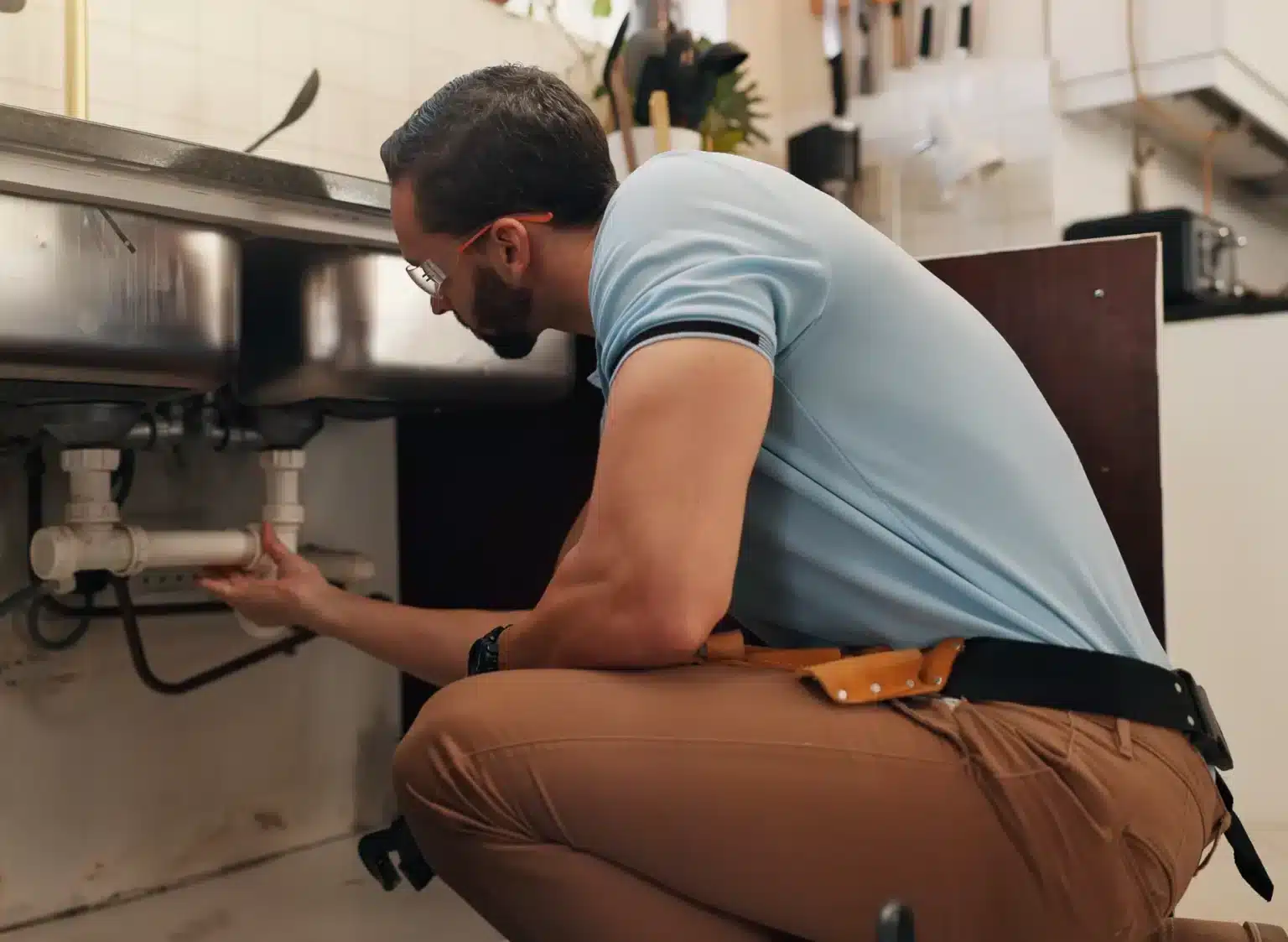
We check exposed pipe for corrosion, active leaks, outdated materials and signs of earlier repairs. Problem spots are noted by location so they're easy to find later.
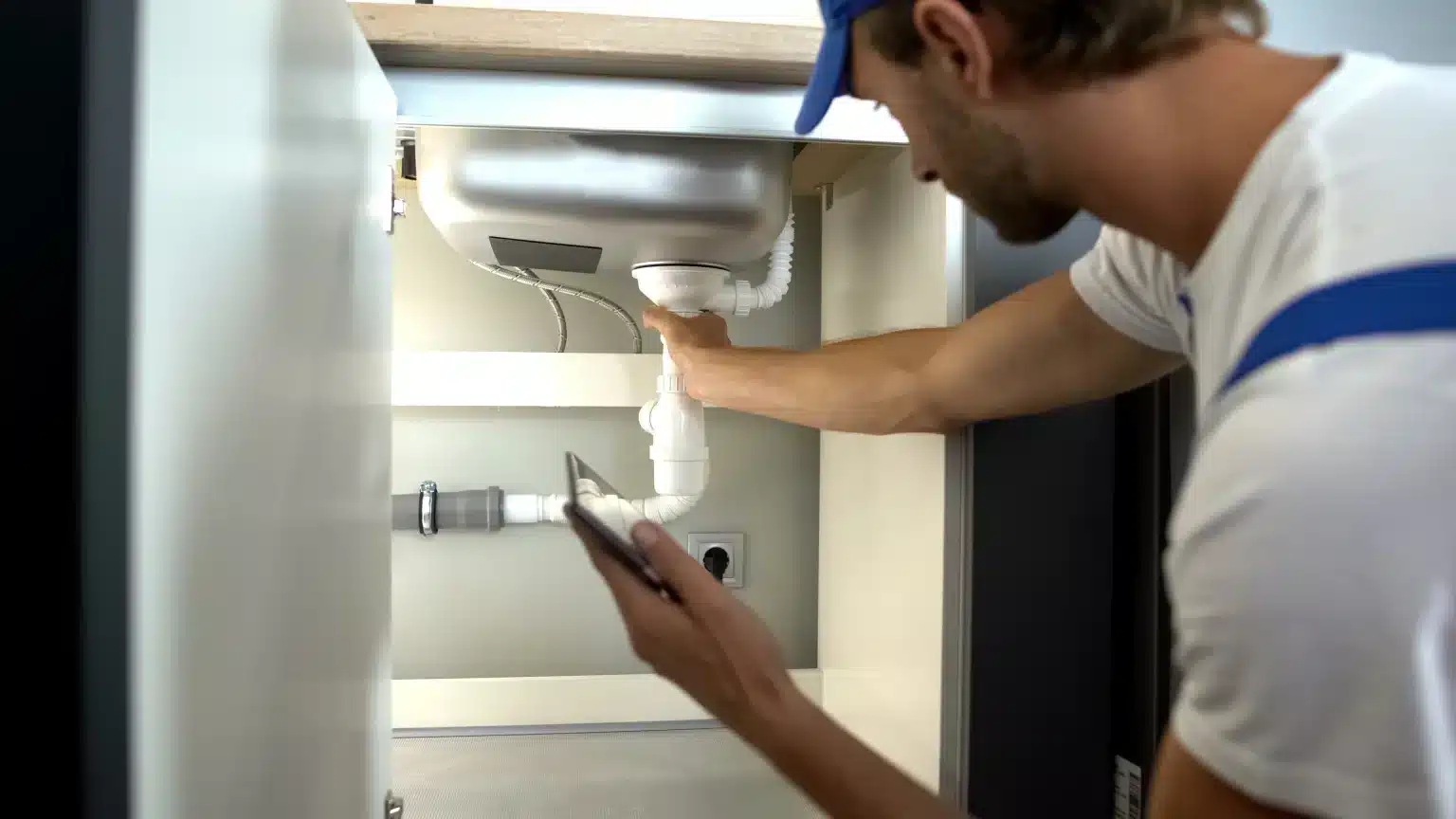
Every sink, tub, shower and toilet is run and drained. We watch for slow drains, running toilets, loose fixtures and moisture under cabinets.
We note the unit's age and condition and check the temperature and pressure relief valve, venting and gas or electrical connections. You'll know roughly how much service life it has left.
A camera run through the main line shows its material, condition and any blockages. We'll walk you through what the camera finds and what, if anything, it means for repairs.
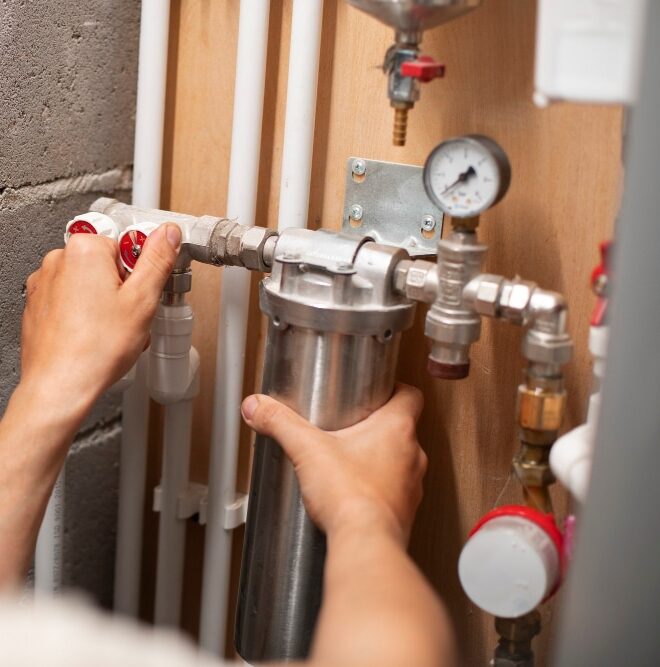
Many homes depend on these two parts to protect their pipes and water heater. We test both and tell you if either is failing.
We check hose bibs and lines running through garages and exterior walls, the places most likely to freeze during a Colorado cold snap.
You get a clear summary of findings sorted by priority, with recommended next steps. It's written to be useful to you, your agent or your insurer.