A running toilet is one of those problems homeowners live with longer than they should, mostly because it doesn’t feel urgent. It’s not flooding anything. It’s just… running. But a toilet that runs constantly, or that runs briefly every few minutes even when nobody’s used it, is quietly wasting a meaningful amount of water every single day. In a lot of Lakewood homes, especially the ranch-style houses built in the 1950s through 1970s that make up much of the city’s older housing stock, the cause usually comes down to one of a small handful of worn parts. Here’s how to tell which one.
Why a Running Toilet Costs More Than You’d Think
A toilet that runs continuously can waste hundreds of gallons of water in a single day. Even a toilet that just runs briefly every few minutes, sometimes called “phantom flushing,” adds up over weeks and months on a water bill without anyone noticing the toilet is the cause. If your water bill has crept up and nothing else in the house has changed, a running toilet is worth checking before anything else.
The Most Common Culprit: A Worn Flapper
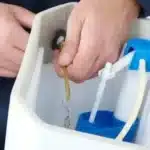
The flapper is the rubber seal at the bottom of the tank that lifts when you flush and drops back down to seal the tank from the bowl. Over time, this rubber degrades, warps, or gets coated in mineral buildup and stops sealing completely. Water slowly leaks past it into the bowl, and the fill valve keeps topping off the tank to compensate, which is the sound you hear as periodic running.
A worn flapper is the single most common cause of a running toilet, and it’s usually the first thing worth checking. You can test for a leak by adding a few drops of food coloring to the tank and waiting 10 minutes without flushing. If color shows up in the bowl, the flapper or flush valve seal is leaking. Flush after the test to avoid staining.
Fill Valve Problems
If the flapper checks out fine, the fill valve is the next likely cause. This is the mechanism that refills the tank after a flush and shuts off once the water reaches the right level. Fill valves can fail to shut off completely, especially in homes with harder water where mineral buildup interferes with the internal mechanism. When this happens, water continuously trickles into the overflow tube, which sounds like a faint, constant running noise rather than the periodic cycling you’d get from a bad flapper.
Overflow Tube and Water Level Issues
Sometimes the parts are working correctly, but the water level in the tank is set too high, causing water to constantly drain into the overflow tube. This is a simple adjustment in some cases, and a sign of a bigger fill valve problem in others. It’s worth having someone check the actual cause rather than just lowering the float and hoping the symptom doesn’t come back.
When Hard Water Is Part of the Problem
Water hardness varies by supplier, so it’s worth checking your water provider’s water quality report. Where water is harder, minerals can build up on rubber seals and inside fill valve mechanisms over time, which can contribute to wear, particularly in original bathrooms that have never had the internal tank components replaced.
DIY Fix vs. Calling a Plumber
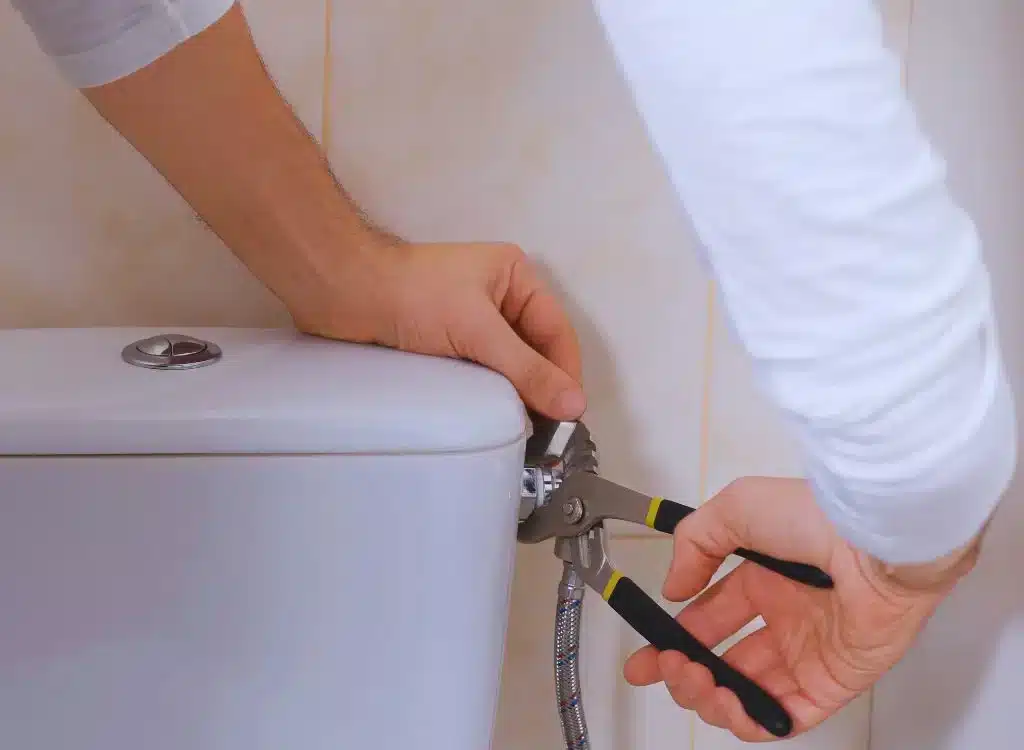
Replacing a flapper is a reasonable DIY repair for a lot of homeowners: shut off the water, drain the tank, and swap the old flapper for a new one matched to your toilet model. Fill valve replacement is only slightly more involved but trips up more people, mostly because getting the water level and float adjustment right takes some trial and error.
Where it makes sense to call a plumber instead:
- The toilet is older and parts don’t match modern standard sizes
- You’ve replaced the flapper and it’s still running
- There’s water pooling at the base, which is a different problem entirely
- You’d rather have it diagnosed and fixed once than trial-and-error your way through it
What to Expect From Professional Toilet Repair in Lakewood
When a DIY fix doesn’t hold or the cause turns out to be something other than the flapper or fill valve, professional toilet repair in Lakewood typically starts with a quick diagnostic: checking the flapper seal, testing the fill valve, inspecting the flush valve and overflow tube, and confirming the toilet is seated properly on the floor with no leak at the base.
Most of the time, the fix is straightforward and completed in a single visit, whether that means replacing a worn part, adjusting the water level, or in some cases replacing an aging toilet altogether if the internal components are original and no longer match available replacement parts. For toilets original to a home built decades ago, matching parts can be harder to find, and a plumber can usually tell you quickly whether a repair is realistic or whether replacement is the more practical option.
Preventing It From Happening Again
Once a running toilet is fixed, a few habits help avoid a repeat call. Avoid in-tank cleaning tablets (as opposed to products meant only for the bowl), since the chemicals in many of these products accelerate flapper wear. Periodically checking that the chain connecting the flapper to the flush handle has the right amount of slack, not too tight and not too loose, also helps the flapper seal properly over time.
Frequently Asked Questions
How much water does a running toilet actually waste?
A continuously running toilet can waste several hundred gallons per day. Even intermittent phantom flushing adds up to a noticeable amount over a billing cycle.
Can I fix a running toilet myself?
Often, yes. A flapper replacement is a straightforward DIY job for most homeowners. Fill valve issues are a bit more involved but still manageable for many people.
Why does my toilet run every few minutes even when nobody’s used it?
This is usually a flapper that isn’t sealing completely, letting a small amount of water leak into the bowl until the tank refills to compensate.
Is a running toilet connected to hard water in Lakewood?
It can be. Mineral buildup from moderately hard water accelerates wear on rubber flappers and fill valve mechanisms, which is why toilet parts in this area sometimes need replacing sooner than expected.
How long does professional toilet repair usually take?
Most toilet repairs, including flapper and fill valve replacement, are completed in under an hour.
Get It Fixed Before It Adds Up
A running toilet is a small fix that saves real money over time. If you’ve tried the basics and it’s still running, or you’d rather have it diagnosed correctly the first time, call A Clear Choice Plumbing & Heating at (720) 938-1554 for toilet repair in Lakewood.