Littleton is a mix of housing stock, from historic homes near downtown to newer construction further south, and that range means plumbing inspections in Littleton homes can turn up very different findings depending on the property. Some homeowners request an inspection before buying a house. Others want one after noticing a small issue and wondering if it points to something bigger. Either way, most people go into their first plumbing inspection without knowing what the plumber is actually checking or how long it takes.
Here’s a straightforward walkthrough of what happens, from the moment a plumber arrives to the report you walk away with.
Why Homeowners Request an Inspection
Plumbing inspections in Littleton usually happen for one of a few reasons:
- Before closing on a home purchase, to understand the condition of the existing system
- After noticing a small symptom, like a slow drain or a slight drop in water pressure, that might indicate a larger issue
- As routine maintenance, especially in homes over 20 years old
- Before a renovation that will involve existing plumbing
Knowing the reason for the inspection helps the plumber focus on the areas that matter most for that situation.
What Gets Checked First: Fixtures and Visible Plumbing
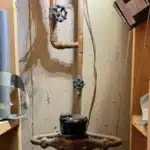
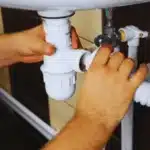
The inspection typically starts with the fixtures you can see: faucets, toilets, showers, and under-sink connections in every bathroom and the kitchen. The plumber checks for slow leaks, corrosion at connection points, water pressure at each fixture, and whether shutoff valves actually work. A surprising number of homes have shutoff valves that have seized up from age and won’t turn, which only gets discovered when someone actually tries to use them in an emergency.
Checking the Water Heater
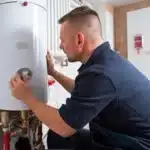
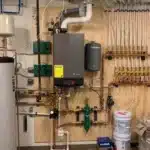
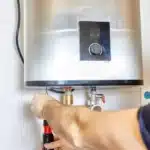
The water heater gets a close look next: age (based on the serial number), signs of rust or corrosion at the tank, the condition of the pressure relief valve, and whether the unit shows signs of sediment buildup, which is more likely with harder water (hardness varies by water supplier). If the water heater is nearing the end of its typical service life, this is usually flagged in the report even if it isn’t leaking yet.
Supply Lines and Water Pressure Throughout the House
Beyond individual fixtures, the plumber checks overall water pressure and looks for signs of aging supply lines, especially in homes with original plumbing from several decades ago. Discolored water, inconsistent pressure between fixtures, or unusual noise in the pipes are all signs the inspection will note and explain.
Sewer Line Camera Inspection
For a more thorough inspection, especially for home purchases or older properties, a sewer camera inspection of the main line can be added. It’s a useful non-excavation method for spotting root intrusion, cracks, or bellies in the line, though what the camera can see depends on access and the line’s condition, so it won’t always show everything. Littleton has plenty of mature trees near older sewer lines, and root intrusion is one of the more common findings in this part of the camera inspection.
What the Camera Actually Shows
The camera footage lets the plumber point to the exact location and type of issue, rather than guessing based on symptoms alone. If there’s a problem, you’ll typically see it on a screen in real time along with an explanation of severity and whether it needs immediate attention or can be monitored.
What You Get at the End
A complete inspection ends with a written summary covering what was checked, what’s in good condition, what needs attention soon, and what’s approaching the end of its service life. This isn’t meant to pressure anyone into immediate repairs. It’s meant to give you a clear picture so you can plan and budget, rather than getting surprised by an emergency later. Keep in mind that a plumber’s inspection is a condition assessment, not a municipal code inspection, and it covers what can be seen or reached. Pipes and connections hidden inside walls, floors or slabs may not be visible.
Some homeowners request this summary broken down by urgency: items that need attention now, items to plan for over the next year or two, and items that are simply worth monitoring. That structure makes it easier to prioritize spending instead of treating every finding as equally urgent.
Choosing Someone to Perform Plumbing Inspections in Littleton
Not every plumbing inspection is equally thorough, and the value of the report depends heavily on who’s doing the looking. A general home inspector covers plumbing only briefly as part of a much broader checklist, while a dedicated plumber performing plumbing inspections in Littleton specifically can spend the time needed to check supply line condition, water heater age, and sewer line integrity in real detail.
A few things worth confirming before scheduling one:
- Whether a sewer camera inspection is included or offered as an add-on, since this is often the most valuable part for older homes
- Whether the plumber is familiar with Littleton’s housing stock, particularly the mix of historic homes and mid-century construction found throughout the city
- Whether you’ll receive a written report, not just a verbal summary, so you have something to reference later or share with a buyer or seller
- Whether the inspection includes water pressure testing at multiple fixtures, not just a general check
Asking these questions upfront usually points you toward an inspection that’s actually useful rather than a quick walkthrough that doesn’t tell you much.
Frequently Asked Questions
How long does a full plumbing inspection take?
Most whole-home inspections take one to two hours, depending on the size of the home and whether a sewer camera inspection is included.
Do I need a plumbing inspection before buying a home in Littleton?
It’s strongly recommended, especially for homes more than 20 years old. A general home inspection often doesn’t include a sewer camera or a detailed look at supply line condition, which a plumbing-specific inspection covers.
Will an inspection tell me if I need a repipe?
Yes. If supply lines show widespread corrosion or multiple aging sections, the report will note it and explain whether a targeted repair or a full repipe makes more sense.
Is a sewer camera inspection included in a standard plumbing inspection?
It depends on the scope requested. Many homeowners add it specifically because it’s the only way to see inside the sewer line, particularly relevant in Littleton given the number of mature trees near older lines.
How often should I get a plumbing inspection if there’s no obvious problem?
There’s no single rule. As a general recommendation, every two to three years is reasonable for many homes and annually can make sense for homes over 30 years old or homes with a history of plumbing issues. The right interval depends on your home’s age and condition.
Schedule Your Inspection
If it’s been a while since your plumbing was checked, or you’re preparing for a home purchase in Littleton, a professional inspection is the clearest way to know what you’re actually working with. Call A Clear Choice Plumbing & Heating at (720) 938-1554 to schedule a full plumbing inspection.