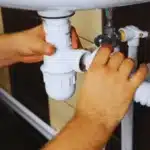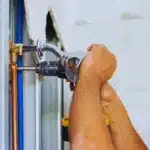
Homeowners who call a repiping company in Englewood almost always ask the same question first: how long is my house going to be torn up? It’s a fair question. Englewood has a mix of older bungalows near downtown and mid-century ranch homes throughout the rest of the city, and the plumbing behind those walls varies a lot depending on when the house was built. The honest answer is that it depends on the house. As an example, many whole-home repipes take a few days of work, but the actual schedule depends on the size of the house, the number of bathrooms, how easy the pipes are to reach, whether the walls are open (like during a remodel) or closed, and when permit inspections can be scheduled. Your timeline should come from a written plan based on a walkthrough of your home. This is a walkthrough of what actually happens, day by day, so you know what to expect before a crew shows up.
What Determines the Timeline
Three things drive how long a repipe takes:
- House size and layout. A one-bathroom bungalow with a crawlspace is a faster job than a two-story home with three bathrooms and a finished basement.
- Access to the pipes. Slab-on-grade homes and finished basements slow things down because the crew has to work through drywall instead of an open crawlspace or attic.
- Whether walls are already open. If a repipe happens during a larger renovation, the timeline shrinks because there’s no drywall to cut and patch.
A typical single-family home in Englewood with one or two bathrooms usually falls in the two to three day range. Larger homes or homes with limited access can run three to four days.
Day One: Inspection, Shutoff Planning, and Protecting the House
The first day isn’t demolition. It’s assessment. The crew maps out the existing pipe runs, identifies where new lines will go, and figures out the fastest route that avoids unnecessary wall or ceiling cuts. Floors and furniture near work areas get covered before anything is opened.
Water typically stays on for most of day one, with short shutoffs as needed to isolate sections of the house.
Days Two and Three: Removal and New Pipe Installation
This is where the bulk of the work happens. Old galvanized or copper lines are cut out and removed section by section, and new pipe, usually PEX, goes in behind them. Water is off to the affected areas during active work, which is the part homeowners feel the most.
For a typical Englewood home, this stage takes one to two full days. Larger homes, homes with more fixtures, or homes where the crew has to route around finished ceilings can push this closer to two full days on its own.
What Living in the House Is Actually Like During This
Water isn’t off for the entire project, only for the specific runs actively being worked on. Most repipe crews coordinate with homeowners so there’s water available in at least one bathroom by the end of each work day. It’s still disruptive. Expect dust from wall openings, noise during cutting, and some rearranged furniture in work zones.
Kitchens and at least one bathroom are usually prioritized to come back online first, since those are the fixtures homeowners can’t easily go without.
Final Day: Pressure Testing, Drywall Patch, and Walkthrough
Once every new line is in place, the system gets pressure tested to confirm there are no leaks. The new piping also has to pass the required rough-in inspection before any walls or ceilings are closed, so the last stage of the job can depend on when that inspection is scheduled. Once the work passes, access openings get patched and the crew walks through the house to confirm every fixture has full water pressure. Exactly what patching includes, and whether texture and paint are part of it, should be spelled out in your written job scope.
This is also when a licensed plumbing team should show you the new shutoff locations and explain anything that changed about your system.
Why Some Englewood Homes Take Longer Than Others
Homes built before the 1970s in the older sections of Englewood often have galvanized steel supply lines, which corrode from the inside and are a common reason homeowners call a repiping company in the first place. These older systems sometimes have unusual pipe routing from additions or remodels done over the decades, which can add time to the removal phase. A home with a finished basement adds time as well, since ceiling drywall has to come down and go back up in more places than in a home with an open crawlspace.
Homes with a history of DIY plumbing work also tend to run longer than average. Additions, converted basements, and secondary bathrooms added without a permit sometimes route supply lines through unexpected paths, which means the crew has to trace the system carefully before cutting anything rather than working from a predictable layout.
What to Look for in a Repiping Company in Englewood
Not every plumbing contractor handles whole-home repipes the same way, and the difference shows up in the timeline as much as the final result. A repiping company in Englewood that regularly works on the city’s older housing stock will usually give a more accurate estimate upfront, because they’ve already seen how galvanized lines, older additions, and finished basements in this specific area tend to be routed.
A few things worth confirming before hiring one:
- Local experience. A crew that’s worked on Englewood homes specifically, not just repiping in general, is more likely to anticipate the quirks of older local construction.
- Licensing and permitting. The company should pull the required permit and schedule the city inspection as part of the job, not leave it to the homeowner.
- A written timeline estimate. A realistic day-by-day plan, based on an actual walkthrough of your home rather than a phone quote, is a sign the company understands what they’re taking on.
- A plan for water access during the project. Ask specifically how they’ll keep at least one bathroom functional each day, since not every contractor plans for this by default.
Getting clear answers to these questions before work starts is usually the best predictor of whether the project stays on schedule.
Frequently Asked Questions
Will I be without water for multiple days during a repipe?
Not usually, but it depends on the job. Water is typically shut off only to the sections being worked on, and how long any part of the house goes without water depends on your home’s layout and the agreed work plan. Ask upfront how shutoffs will be scheduled and what water access you’ll have each day.
Do I need to move out during a whole-home repipe?
Most homeowners stay in the house during the project. It’s disruptive but livable, similar to a moderate renovation.
Does a repipe require a permit in Englewood?
Yes. Plumbing repiping work requires a permit and inspection in Englewood and the surrounding jurisdictions. A licensed plumber will pull this on your behalf.
Can I repipe just part of my house instead of the whole thing?
Sometimes. If only one section of plumbing is failing and the rest of the system is in good shape, a partial repipe can make sense. A professional inspection is the best way to determine whether a partial or whole-home approach is right for your situation.
What happens to the walls after the repipe is done?
Access openings are patched as part of the job. Whether texture matching and painting are included varies, so check the written job scope before work starts.
Ready to Talk Through Your Timeline?
Every house is a little different, and the fastest way to get an accurate timeline for your specific home is a walkthrough with an experienced repiping company in Englewood. Call A Clear Choice Plumbing & Heating at (720) 938-1554 to schedule an inspection and get a realistic day-by-day plan for your home.