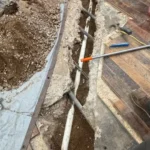
Low shower pressure that occurs whenever someone opens another faucet often points to restricted flow, inadequate pipe capacity, or a malfunctioning plumbing component. Littleton homeowners may notice the shower weakening when a toilet refills, a washing machine starts, or someone turns on the kitchen faucet.
A small change in flow may occur when several fixtures share the water supply. However, the shower should not slow to a weak stream during ordinary household use. The pattern matters. If every fixture affects the shower, the restriction may involve the main water supply, pressure regulator, or aging pipes. If only a toilet or hot-water fixture causes the problem, a shared branch line, shower valve, or hot-water restriction may require attention.
Corroded galvanized pipes, sediment buildup, undersized supply lines, a faulty pressure regulator, or a restricted service line may contribute to the pressure drop. However, not every home needs a complete repiping service in Littleton. A professional assessment can compare static and working pressure, inspect the shower components, and determine whether the problem affects one fixture, one plumbing branch, or the entire house.
Why Does Shower Pressure Drop When Another Fixture Runs?
Every fixture draws from a limited water supply. When someone opens a second faucet, flushes a toilet, or starts an appliance, the plumbing system must divide the available flow between both locations.
A properly sized residential system should support ordinary simultaneous use without causing the shower to slow dramatically. A slight change may occur, especially when a high-demand fixture starts. However, a major drop suggests that the system cannot move enough water under working conditions.
Plumbers evaluate two related measurements:
- Static pressure: The pressure inside the plumbing system when no fixtures run.
- Dynamic pressure: The pressure available while one or more fixtures use water.
A home may show acceptable static pressure but lose substantial dynamic pressure as soon as another fixture opens. That pattern often points to narrowed pipes, a restricted valve, an undersized service line, or inadequate pipe capacity rather than low municipal pressure alone.
The location of the pressure loss also provides clues. If all fixtures lose flow, the restriction may sit near the main supply. If only one shower performs poorly, the showerhead, cartridge, balancing valve, or nearby branch line may cause the problem.
What Causes Low Shower Pressure Homes?
Several conditions can cause a shower to lose pressure when another fixture operates. A professional inspection should identify the cause before anyone recommends pipe replacement.
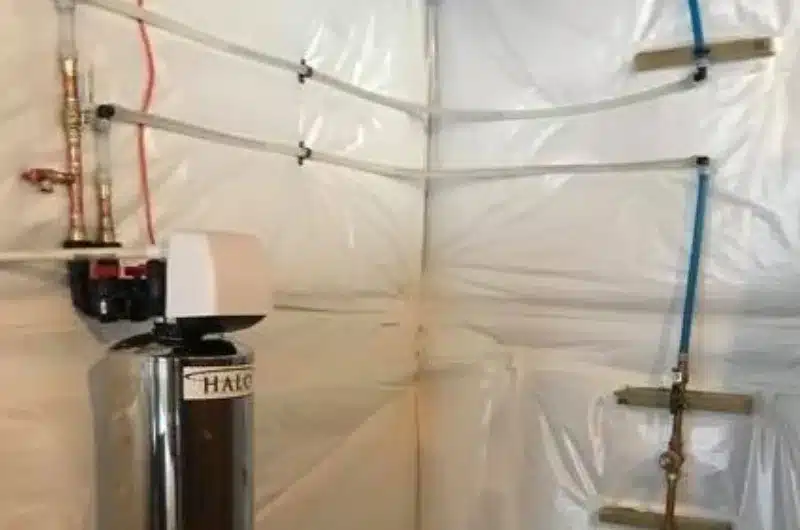
1. Corroded Galvanized Steel Pipes
Many older houses contain galvanized steel supply lines. These pipes corrode internally as they age. Rust and mineral deposits gradually reduce the pipe’s interior diameter, leaving less space for water to travel.
A corroded line may deliver enough water to one fixture. However, it may struggle when a toilet, faucet, or appliance creates additional demand. Other warning signs can include rusty water, inconsistent flow, visible corrosion, and recurring leaks.
2. Mineral Buildup Inside Supply Lines
Water conditions can vary across Littleton because properties may receive service from different water providers. Regardless of the supplier, sediment and dissolved minerals can gradually collect in showerheads, faucet aerators, cartridges, valves, and other small plumbing passages.
These deposits usually create the most noticeable restriction at the fixture. For example, a partially clogged showerhead may provide acceptable flow when no other water runs but become noticeably weaker when another fixture draws from the same supply.
Removable buildup at a showerhead or aerator may require cleaning or component replacement. Widespread flow problems, however, require a broader evaluation. A plumber can compare several fixtures, test pressure under demand, and determine whether the restriction sits at the shower, within a branch line, or farther upstream.
3. Undersized Plumbing Lines
A home’s original plumbing may have supported its initial fixture count but struggle after years of renovations. An added bathroom, larger shower, second washing machine, irrigation connection, or high-flow fixture can increase demand without increasing the size of the original supply lines.
This issue may appear in Littleton homes that have undergone additions or interior remodeling. The plumbing may operate normally when one fixture runs but lose working pressure when several people use water during the morning or evening.
A plumber should compare the existing pipe diameter, water meter capacity, service-line size, fixture count, and household usage pattern. Repiping only one section may not solve the problem if a smaller upstream line continues limiting the available flow.
4. A Faulty Pressure Regulator
Some Littleton homes use a pressure-reducing valve to control incoming municipal water pressure. A failing or incorrectly adjusted regulator can reduce pressure across the entire house.
If every fixture shows weak flow, even when used individually, the regulator or main supply may cause the problem. Replacing pipes will not correct a faulty regulator, so accurate diagnosis matters.
5. A Partially Closed Main Shutoff Valve
A main water valve that remains partially closed can restrict flow throughout the house. This problem may occur after plumbing work, a property inspection, or emergency maintenance.
Homeowners should avoid forcing an older valve because corrosion can damage it. A licensed plumber can inspect the valve safely and confirm whether it opens fully.
6. A Clogged Showerhead or Defective Shower Valve
If only one shower loses pressure, the problem may sit inside that fixture. Sediment can clog the showerhead, while a worn cartridge or pressure-balancing valve can disrupt flow.
A pressure-balancing valve protects bathers from sudden temperature changes when another fixture uses hot or cold water. However, a damaged valve may overreact and sharply reduce shower flow. Repairing the fixture may restore performance without repiping the house.
7. A Restricted Main Water Service Line
A damaged, corroded, or undersized service line can restrict the water entering the property. In that situation, several fixtures may show weak flow during periods of higher demand. Because the service line and interior supply pipes require different solutions, a plumber should test both before recommending work.
How Can You Identify the Source of the Pressure Loss?
The fixture that triggers the pressure drop can help narrow the possible cause. Before scheduling an assessment, observe when the problem occurs and whether it affects hot water, cold water, or both.
- Any fixture weakens the shower: A restricted main line, pressure regulator, partially closed shutoff valve, or undersized supply system may limit the entire house.
- A toilet causes the largest drop: The toilet and shower may share a restricted branch line. The shower’s pressure-balancing valve may also react strongly when the toilet starts drawing cold water.
- Hot-water fixtures create the problem: The water heater outlet, hot-water piping, mixing valve, or hot side of the shower valve may contain a restriction.
- Only one shower performs poorly: A clogged showerhead, worn cartridge, defective balancing valve, or restricted local branch line may cause the issue.
- Several fixtures remain weak when used alone: The main shutoff valve, pressure regulator, water meter, service line, or incoming supply may require inspection.
- Pressure starts strong and then fades: A restricted pipe or supply component may provide an initial burst but fail to maintain adequate flow.
- The problem appeared suddenly: A recently adjusted valve, failed regulator, disturbed sediment, service-line problem, or utility-related change may have affected the system.
- The problem developed gradually: Internal corrosion, mineral accumulation, or progressive pipe deterioration may have narrowed the available water path.
Also note whether the water appears brown, orange, or cloudy and whether the home has experienced recent leaks. These details can help a plumber select the right tests, but they cannot reveal the full condition of concealed piping.
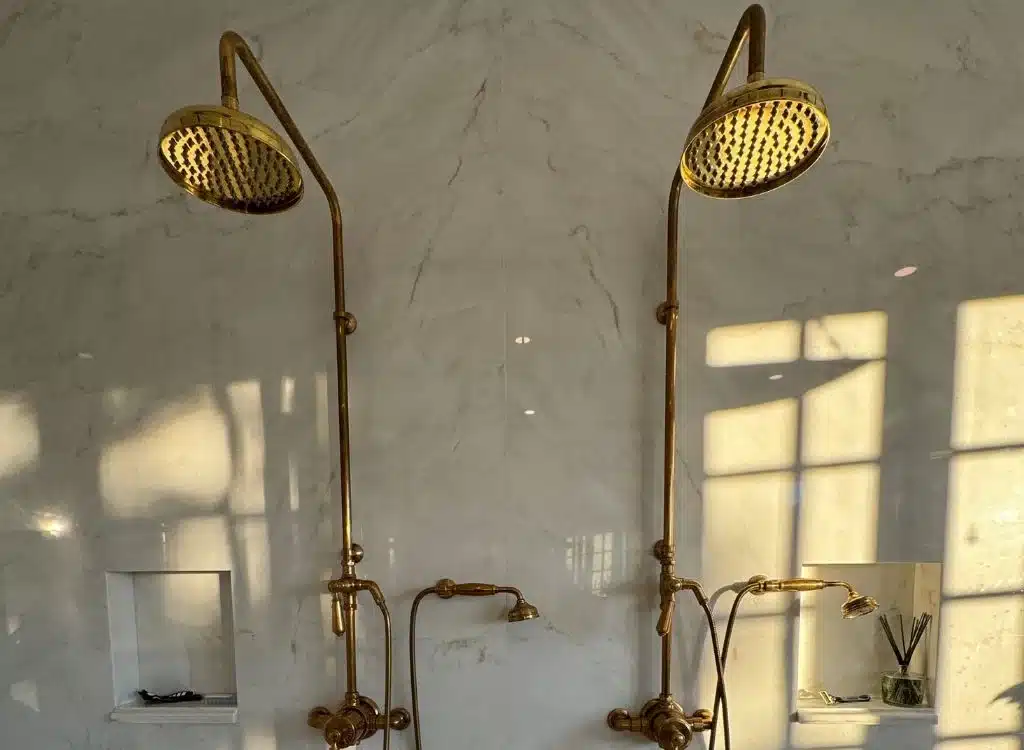
When Should You Consider a Repiping Service?
One weak shower does not justify replacing all the supply pipes. Repiping becomes more relevant when a plumber identifies a system-wide restriction, widespread pipe deterioration, or insufficient capacity that smaller repairs cannot correct.
A fixture-level repair may provide the right solution when:
- Only one shower or faucet has weak flow
- The showerhead contains visible buildup
- A cartridge or balancing valve has failed
- The main shutoff valve does not open completely
- The pressure regulator causes the whole-house problem
A broader repiping service in Littleton may provide better long-term value when:
- Several fixtures lose substantial flow during simultaneous use
- Galvanized pipes show internal or external corrosion
- Rust-colored water appears at multiple fixtures
- Copper supply lines develop recurring pinhole leaks
- Previous owners or plumbers repaired several pipe sections
- An addition increased fixture demand beyond the original system’s capacity
- Testing confirms that restricted or undersized interior pipes cause the pressure loss
Whole-home repiping can replace deteriorated supply lines with PEX or copper, but it cannot correct every water-pressure problem. A restricted service line, undersized meter, failing pressure regulator, inefficient fixture, or low incoming supply may require separate work. The plumber should explain which component limits flow before recommending pipe replacement.
What Happens During a Professional Repiping Assessment?
A thorough assessment should examine the entire water-delivery system rather than focus only on the shower. The plumber may:
- Measure static pressure when no fixtures operate.
- Measure dynamic pressure while several fixtures run.
- Inspect visible pipe materials and connections.
- Check the main shutoff valve and pressure regulator.
- Evaluate the showerhead, cartridge, and balancing valve.
- Look for corrosion, mineral accumulation, or previous repairs.
- Compare fixture demand with existing pipe sizes.
- Inspect the main water service line when necessary.
This process separates a fixture-level repair from a system-wide plumbing issue. It also helps homeowners avoid spending money on a solution that does not address the actual cause.
How Should You Choose a Plumber for a Water-Pressure Problem?
A search for a “plumber near me” may return several nearby companies, but proximity does not confirm experience with dynamic-pressure testing or repiping diagnostics. Ask how the plumber will distinguish between a clogged fixture, regulator problem, branch-line restriction, service-line issue, and deteriorated interior piping.
For a possible repiping project, request a written scope that identifies:
- The suspected cause of the flow restriction
- The sections of pipe included in the project
- The proposed pipe material and sizing
- Required permits and inspections
- Fixture disconnection and reconnection
- Wall and ceiling access
- Pressure and leak testing
- Patching and cleanup responsibilities
- Warranty coverage
- Work schedule and planned water interruptions
A detailed scope makes it easier to compare recommendations. It also reduces the risk of approving a whole-home project that fails to address the actual restriction.
Frequently Asked Questions
Can a clogged showerhead cause pressure loss when another faucet runs?
A clogged showerhead can weaken one shower, but a dramatic drop during simultaneous use may indicate an additional flow restriction. A plumber should test both the fixture and the broader supply system.
Will whole-home repiping guarantee stronger shower pressure?
Repiping can improve flow when corroded, restricted, or undersized interior pipes cause the problem. It cannot correct low municipal pressure, a faulty regulator, a restricted service line, or an inefficient shower fixture unless the project addresses those issues.
Why does my shower temperature change when someone flushes a toilet?
A toilet draws cold water during refilling, which can change the hot-to-cold balance at the shower. A properly working pressure-balancing or thermostatic valve should limit sudden temperature changes.
Can I stay home during a whole-house repipe?
Many homeowners remain home during repiping. The crew may temporarily interrupt water service and open selected wall areas. Ask your plumber about the daily schedule, water restoration, access points, and cleanup before work begins.
Should I repair one leaking pipe or repipe the entire house?
One isolated leak may only require a targeted repair. Multiple leaks, widespread corrosion, discolored water, and declining flow may make whole-home repiping more practical. A professional inspection should guide that decision.
Address the Pressure Drop Before It Becomes a Larger Problem
A shower that loses pressure every time another fixture runs may signal more than a minor inconvenience. Corroded pipes, restricted supply lines, failing valves, or an outdated plumbing layout can worsen and eventually contribute to leaks or water damage.
At A Clear Choice Plumbing and Heating we can inspect your plumbing system, identify the source of the flow loss, and recommend an appropriate repair or repiping plan. Call us at 7209381554 today to schedule an assessment. Acting now can help you address aging or restricted pipes before a sudden failure forces an emergency decision.